+91-98558-85133
 +1(702)760-3099

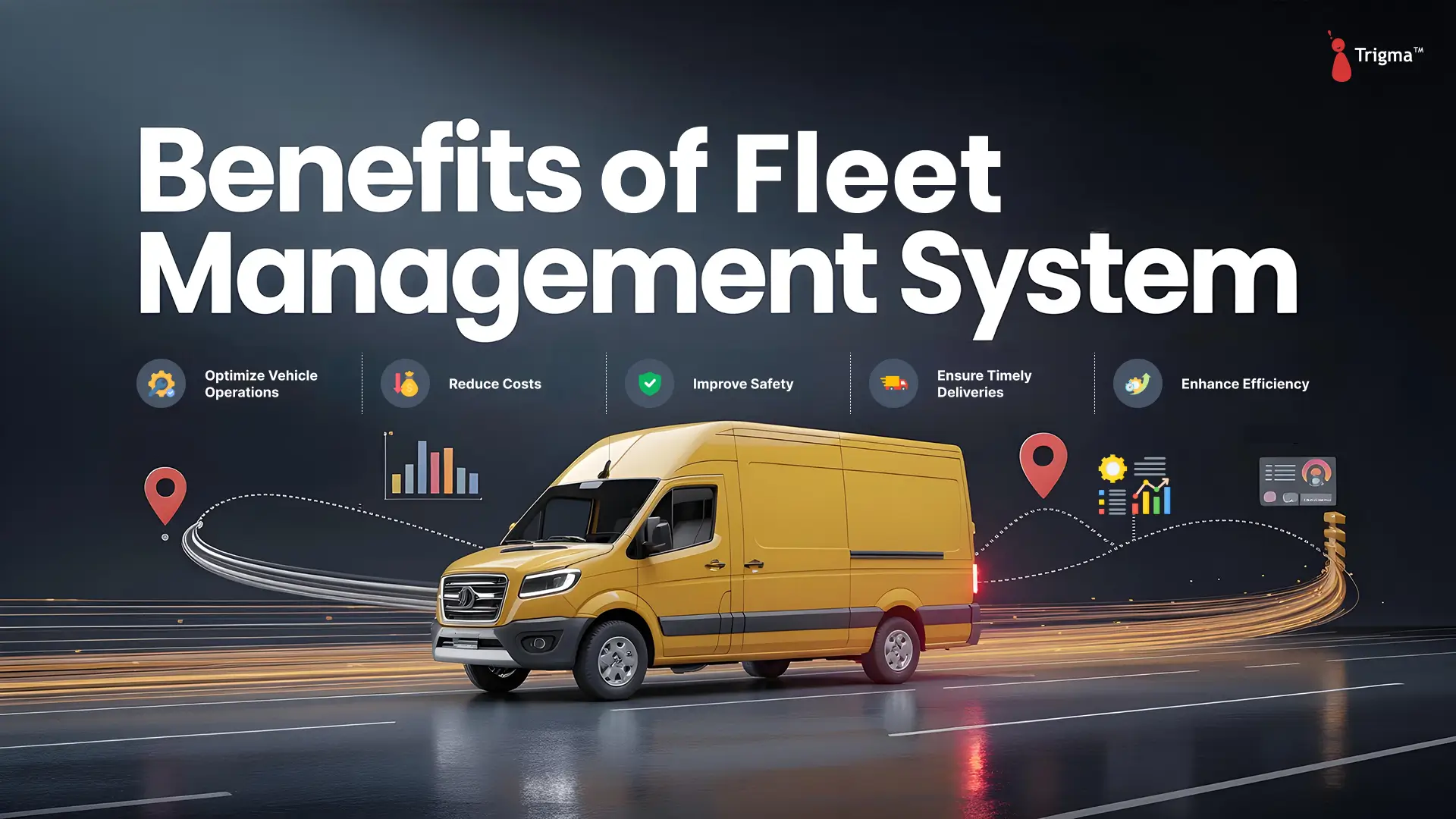
Effective fleet management is crucial for the success of any business that relies on vehicles. Manual management increases the likelihood of errors, inefficiencies, and operational challenges. To address these issues, fleet management systems were developed, offering automated solutions to streamline operations, enhance accuracy, and improve overall fleet performance. These systems provide real-time tracking, route optimization, maintenance scheduling, and performance monitoring, ensuring businesses can manage their fleets more efficiently and effectively.
In this blog, we'll explore how a fleet management solution can transform your business, streamlining operations and driving long-term success.
Advantages Of Fleet Management System
After knowing the meaning of fleet management systems now let us move toward the benefits this revolutionary system could provide to your business:

1. Fuel Consumption Control
Managing fuel consumption effectively is a crucial step toward building sustainable logistics operations. Increased fuel consumption will lead to a rise in operational costs. Fleet management systems make this possible by providing real-time alerts when a vehicle, such as a truck, is about to exceed its daily mileage limit.
2. Delivery Deadline Compliance
Late consignment deliveries can impact your relationship with your customers. Fleet management systems optimize routes, track vehicles in real-time, and automate schedules to ensure timely deliveries. This helps businesses meet deadlines, avoid delays, and maintain reliability, adapting quickly to challenges for efficient and smooth operations.
3. Fleet Fraud Prevention
Fleet management solutions play a crucial role in preventing fraud by providing real-time monitoring of fuel consumption, vehicle location, and driver behavior. By detecting unusual patterns such as fuel theft, unauthorized use, or route changes, these systems help businesses take immediate action, safeguarding assets, reducing losses, and ensuring operational integrity.
4. Data-Driven Decision Making
Fleet Management Software Development provide valuable insights through real-time data collection, including vehicle performance, fuel efficiency, and driver behavior. By analyzing this data, businesses can make informed decisions to optimize operations, reduce costs, improve safety, and enhance overall fleet efficiency. This approach leads to better long-term strategies and growth.
5. Improved Vehicle Utilization
These systems optimize vehicle use by reducing idle time, streamlining routes, and ensuring efficient vehicle allocation. Real-time tracking and data analytics help managers make informed decisions on fuel, maintenance, and driver performance. This leads to cost savings, improved productivity, extended fleet longevity, and better overall fleet efficiency.
6. Better Driver Management
Managing drivers becomes easier and more efficient with the help of this innovative tool. It allows you to monitor factors like the time taken by drivers to reach their destinations, driving speed, and other key performance indicators. If discrepancies in performance are detected, you can provide targeted training to improve skills and ensure better driving habits, ultimately enhancing overall fleet performance and safety.
The Bottom Line
If you are facing challenges in fleet management, implementing a fleet tracking system can offer significant improvements. These systems provide benefits such as fuel optimization, timely deliveries, fraud prevention, and data-driven decision-making. With real-time tracking and performance insights, they help reduce costs, enhance safety, and streamline operations, ultimately boosting efficiency and supporting sustainable logistics practices.