performance icon
Top IT Services Company 2025 Top Software Developers 2025 Top Generative AI Company 2025 G2 High Performer Winter 2025 G2 Leader Winter 2025 AI Deployment Company 2024 Top Software Development Company in USA for 2024 Top ReactJs Company in USA for 2024
trigma-logo

Top Agentic AI Definitions Every Professional Should Understand

Agentic AI is emerging as one of the most disruptive technologies in the business world. Unlike traditional automation, which follows predefined scripts, agentic AI enables autonomous systems that can plan, adapt, and act with minimal human intervention.

But with this advancement comes a new wave of jargon. For leaders, professionals, and engineers, understanding the language of agentic AI is critical. These aren’t just the trendy words; they’re building blocks of designing, deploying, and governing agentic systems.

However, to help you out, we’ll discuss the ten most important definitions that every professional should know. Let’s get started.

Important Agentic AI Definitions

1. Agent

Definition: A software entity that perceives inputs (data, prompts, or events), reasons about them, and takes action to achieve a goal. Agents may be simple (responding to a single task) or advanced (capable of chaining multiple tasks with reasoning).

Why it matters: Agents are the fundamental units of agentic AI. For example, a customer service agent might handle queries by retrieving knowledge base articles, escalating tickets, and updating CRM records, all without hand-holding. Knowing what an agent does helps the team design modular, controllable AI-driven workflows.

2. Agentic AI

Definition: An AI paradigm where agents are given objectives and can independently plan, decide, and act with limited human supervision. Unlike static bots, agentic AI adapts to outcomes, learns from context, and executes multi-step tasks.

Why it matters: This is the leap from automation to autonomy. For instance, instead of a rule-based chatbot providing a single answer, an agentic system could handle a full refund workflow, verify purchase, update records, process payment, and send confirmation. Professionals must understand this difference to gauge both potential and risk.

3. Orchestration (multi-agent systems)

Definition: Orchestration is the coordination of multiple agents, each with specialising roles, working collaboratively towards a bigger goal. Communication can happen via memory, messaging, or a central orchestrator.

Why it matters: Businesses rarely operate on a single task. A supply chain system might require one agent to track inventory, another to manage orders, and a third to forecast demand. Orchestration ensures these agents work in sync to deliver reliable outcomes.

4. Human in the loop (HITL)

Definition: A safety and governance practice where agents must obtain human approval before performing high-risk actions.

Why it matters: Autonomy without control can be dangerous. HITL ensures accountability by letting humans review decisions like large financial transactions or medical recommendations. It creates a balance between efficiency and oversight, which is crucial for building trust in enterprise systems. .

5. Guardrails

Definition: Safety controls that restrict and guide agent behavior. Guardrails include sandboxed environments, access permissions, input validation, and rollback mechanisms.

Why it matters: Guardrails prevent catastrophic errors. For example, in cybersecurity, an autonomous response agent must not shut down mission-critical servers. Guardrails provide the boundaries within which agents can safely operate, protecting both businesses and customers.

6. Hierarchical Reinforcement Learning

Definition: A reinforcement learning framework where complex tasks are decomposed into smaller subtasks, each managed by sub-policies.

Why it matters: HRL enables agents to handle long-horizon planning by breaking it into structured, solvable steps.

7. Headless AI agent

Definition: A headless AI agent is an autonomous system that operates without a user-facing interface, interacting directly with APIs, databases, or backend systems instead of humans.

Why it matters: It powers invisible automation, handling workflows, transactions, or data processing behind the scenes, enabling businesses to scale operations without adding UI complexity.

8. Polyphonic AI

Definition: Polyphonic AI is an AI system that can manage several tasks or information streams at the same time, like listening to different conversations or melodies together and still making sense of them.

Why it matters: It helps AI handle complex tasks, real-world situations, where many things happen at once, such as monitoring patient health, updating records, and suggesting treatments, all in parallel, without confusion.

9. Ontology

Definition: In AI, an ontology is a structured framework that defines concepts, relationships, and rules within a specific domain. It acts like a shared vocabulary that helps machines understand and reason about data in a consistent way.

Why it matters: Ontologies give agentic AI systems a common knowledge base, making their decisions more accurate, explainable, and consistent. For example, in healthcare, an ontology can define how “patient,” “diagnosis,” and “treatment” are related, so multiple AI agents can work together without misinterpretation.

10. Constraint Satisfaction Problem (CSP) Integration

Definition: CSP integration in AI refers to embedding rules and restrictions into an agent’s decision-making process so that every action or solution must meet predefined conditions. It’s about solving problems where the goal is not just to find any solution, but the feasible one that respects all constraints.

Why it matters: In agentic AI, CSP ensures agents act within safe, legal, or business-approved boundaries. For example, a scheduling agent must allocate meetings without overlapping times, or a logistics agent must assign deliveries while respecting vehicle capacity limits.

Final Thoughts

Agentic AI is no longer a futuristic idea; it’s fast becoming the operating backbone of intelligent systems. But to harness its true potential, professionals need more than surface-level familiarity; they must understand the core concepts, technical frameworks, and safety mechanisms that shape how these agents behave.

From ontologies that provide structured knowledge, to constraint-satisfaction problems that enforce safe boundaries, to advanced methods like hierarchical reinforcement learning, every definition is a building block that brings clarity to this evolving field.

Agentic AI is powerful precisely because it combines autonomy, reasoning, and adaptability. But with this power comes the responsibility to design agents that are aligned, interpretable, and governed by robust constraints.

For professionals across industries, whether in healthcare, finance, logistics, or enterprise tech, mastering these definitions isn’t just academic. It’s the difference between building AI that looks impressive and building AI that delivers real, safe, and scalable value.

Looking to implement agentic AI in your organization?

Our experts can help design, build, and scale intelligent systems tailored to your business needs.


Fleet Management Software Development: Features and Benefits

Effective fleet management is a significant challenge for many logistics companies. To stay competitive, traditional fleet management approaches need to evolve with the rapidly changing logistics industry. These conventional methods often lead to inefficiencies, higher costs, and reduced competitiveness. The emergence of custom fleet management solutions has revolutionized the industry, providing businesses with the ability to track goods in real-time, prevent damage during transit, and optimize operations, ensuring better performance and cost-effectiveness.

What Do You Mean By Custom Fleet Tracking Solution?

Fleet Tracking Software Development is necessary for managing fleets, enhancing security, and optimizing logistics. While standard solutions offer basic tracking and analytics, a custom vehicle tracking solution is designed to meet your unique needs. It provides real-time GPS tracking, route optimization, driver behavior monitoring, and detailed reports tailored to your operations. These solutions help businesses reduce costs, improve efficiency, and stay competitive in industries like logistics, construction, and retail. With features like custom alerts, and seamless integration with other systems, custom solutions offer flexibility and control. It’s the perfect solution for businesses looking to streamline operations and boost productivity.

The fleet management software market was valued at USD 23.69 billion in 2023. It is projected to grow from USD 27.55 billion in 2024 to USD 116.56 billion by 2032, exhibiting a CAGR of 19.8% during the forecast period.

fleet management software market size

Features of Custom Fleet Management Software

Fleet Management Software Development provides specialized, advanced functionalities that outshine standard solutions. These exclusive features are designed to enhance efficiency, strengthen security, and ensure seamless operations: let's have a close look at its features:

Real-Time Fleet Tracking

Real-time tracking plays a vital role in helping businesses mitigate risks and address emergencies efficiently. By enabling swift action, it reduces potential damages and ensures smoother operations. This technology provides detailed insights, including vehicle speed, routes, engine performance, fuel levels, and movement direction, empowering businesses to optimize their fleet management strategies., engine performance, fuel levels, and movement direction, empowering businesses to optimize their fleet management strategies.

Fleet Management and Maintenance

Effective vehicle management and maintenance ensure fleet safety, efficiency, and longevity. Regular upkeep, real-time monitoring, and predictive diagnostics help prevent breakdowns, reduce costs, and minimize downtime, maximizing operational performance. The solution will give businesses regular updates about the maintenance needs of their trucks.

Mobile App-Based GPS Fleet Tracking

The solution can be easily operated through your mobile phone and will provide real-time insights into vehicle location, routes, and performance. This technology enhances operational efficiency, ensures safety, and helps your business make informed decisions with instant updates accessible at their fingertips.

Driver Assignment and Management

With the help of Fleet Tracking Software Development, enterprises can seamlessly assign drivers, ensuring each shipment is handled by someone with the right skill set and expertise. Additionally, they can monitor their routes and track the time taken to reach the destination. The effective solution also allows for direct communication with drivers, enhancing coordination and efficiency.

Fuel Management

Fuel cost is a major expense in fleet operations, significantly affecting transportation costs. Through the solution, you can implement effective fuel management, track consumption, and identify opportunities to optimize usage, leading to reduced expenses and improved efficiency.

Customized Admin Dashboard

To ensure effective management, the solution comes with a well-designed admin dashboard featuring advanced tools that help you oversee and streamline your business logistics operations. This dashboard provides real-time insights, detailed analytics, and customizable features, enabling enterprises to manage fleet performance, monitor key metrics, and make data-driven decisions with ease.

Fleet Alarms

As the saying goes, UX is a never-ending process. This is where iteration comes. After the first launch, get user feedback, refine the designs and functionality, make it more simple, and test it again and again. It helps in keeping the product up-to-date so the new users will adapt it very quickly and easily.

Build Custom Fleet Solution

How Your Business Can Benefit from Fleet Tracking Software

Fast-paced logistics and fleet operations demand efficiency, and a custom driver management system offers unparalleled advantages over generic solutions. Here's why investing in a Fleet Tracking Software Development can transform your logistics business:

Fleet Alarms

GPS tracking offered by the platform simplifies fleet management by providing better visibility into asset costs, including fuel, maintenance, and safety. Custom FMS analytics offer insights into actual vehicle operating costs and help identify areas for improvement. By analyzing past data, businesses can optimize budgets, reduce fuel consumption, and enhance efficiency. Smart budgeting features forecast spending and highlights cost-saving opportunities, ensuring better financial control.

Cargo Optimization

The innovative solution helps you in undertaking efficient cargo optimization. This feature optimizes resource utilization by determining the most efficient load a vehicle can carry based on the volume, weight, and dimensions of goods. It's especially beneficial for logistics and transportation companies handling less-than-truckload (LTL) or partial truckload shipments. GPS fleet management solution’s load optimization tools help managers identify the most fuel-efficient loads for each truck, improving operational efficiency and reducing costs.

Proactive Driver Management

The revolutionary Fleet Management Software Development helps you proactively manage your drivers by tracking key metrics such as speed, idling, and route adherence. It enables real-time monitoring, allowing you to identify unsafe driving behaviors, provide targeted training, and ensure compliance. This leads to improved driver performance, enhanced safety, reduced costs, and increased fleet efficiency.

Custom Integrations

By getting a Fleet Management Software Development designed for your transportation business, you can easily integrate various systems such as inventory, financial, and communication tools with it. This seamless integration enhances operational efficiency, automates tasks, and provides real-time insights, improving decision-making and coordination across teams. It reduces manual work, cuts costs, and allows for scalable growth as your business expands.

Summing Up

Fleet Tracking Software Development is an innovative way to tackle the challenges of modern fleet operations. By providing real-time tracking, optimized route management, fuel and cargo optimization, and proactive driver monitoring, it enhances efficiency, reduces costs, and improves overall performance. With advanced features like predictive maintenance, mobile app access, and seamless system integration, businesses can streamline operations, boost productivity, and stay competitive in the logistics industry.

Trigma is amongst the topmost custom software development service providers catering to the development needs of businesses operating in different domains. The innovative Fleet management app solutions created by our experts help streamline operations, enhance efficiency, and minimize costs. Whether you're looking to optimize fleet management or improve any other aspect of your business, Trigma has the expertise to help. 

Contact us today to take your fleet management to the next level!

ReactJS Vs React Native – What is the Difference?

In the realm of web and mobile development, React JS and React Native stand out as two influential frameworks, each designed for specific tasks. Created by Facebook, these technologies are renowned for their efficiency and versatility. In this blog, we’ll break down the differences between React JS and React Native, highlighting their advantages, and ideal use cases.

React JS

React JS is an open-source JavaScript library designed for building user interfaces (UIs) for web applications. It manages the view layer of applications, allowing developers to create complex UIs using small, reusable pieces of code known as "components." React JS includes an HTML page where components are rendered, and these components contain the HTML code displayed in the user interface. We recommend React JS as one of the top web app development platforms.

ReactJS for WebApp

Advantages of Using React JS

■ Easy to Learn and Use

For software development experts who are comfortable with JavaScript, learning React JS is simple. Its component-based architecture and straightforward syntax enable quick comprehension. Web applications may be quickly created even by inexperienced developers, which makes it a great platform for both types of developers who want to speed up development.

■ Quick Rendering using Virtual DOM

React JS leverages a virtual DOM to reduce direct DOM manipulation, resulting in quick and effective updates. This results in a smoother and less laggy user experience by rapidly reflecting changes without reloading the entire page, which enhances the speed of dynamic online applications.

■ Reusable Components

Because of React JS-component-based architecture, developers can reuse code in other application components. This modularity guarantees consistency and expedites development. The ability of developers to update or modify components on their own lowers mistake rates, streamlines maintenance, and expedites the development of complicated programs.

Use Cases of React JS

■ Single Page Applications (SPAs)

For SPAs, where users interact with dynamic interfaces without having to reload the entire page, React JS is perfect. It guarantees fluid transitions and quick navigation, improving the user experience all around. React JS is a major component of Facebook and Gmail, two popular SPAs that provide responsive, real-time updates.

■ Dynamic Web Applications

Building dynamic web apps that need constant user input and real-time updates is made easier using React JS. Because of its virtual DOM and state management, it can render content more quickly and interact with users seamlessly. This makes it ideal for online forms, social media platforms, and e-commerce websites that need to respond quickly to user requests.

■ Content Management Systems (CMS)

CMS interfaces may be quickly, easily scaled, and customized with React JS. Developers can create adaptable front-end interfaces that quickly deliver fast performance by effectively communicating with back-end data. CMS systems can be modular and reusable, thanks to their component-based architecture, which accelerates development and simplifies maintenance.

React Native

React Native is an open-source JavaScript framework used to build cross-platform mobile apps for iOS, Android, and Windows. Unlike React JS, which uses web components, React Native is among the top mobile app development frameworks used for designing innovative mobile apps. It uses native components, allowing developers to build apps that feel native with a single JavaScript codebase. Developed in 2013 and released publicly in 2015, React Native initially focused on iOS but now supports Android, making it a powerful tool for mobile app development.

React Native for Mobile App

Advantages of Using React Native

■ Native Performance

By utilizing native components and APIs, React Native provides near-native performance, guaranteeing a fluid and responsive user experience. It bridges the gap between JavaScript and native languages, which improves the overall efficiency of the program by enabling optimal performance and functionality comparable to completely native applications. This is in contrast to hybrid frameworks.

■ Strong Support

React Native enjoys robust support from both Facebook and a sizable and vibrant developer community. Development is made easier by large libraries, frequent updates, and readily usable components. To guarantee that developers may get assistance, materials, and direction for each development difficulty, the community also provides plugins, tools, and solutions.

■ Integration with Existing Apps

It is possible to integrate React Native with native apps that already exist with ease. With React Native, businesses don't have to start from scratch when updating sections of their app; this allows for faster adoption of new features and more gradual upgrades while preserving the essential elements of the current apps.

Use Cases of React Native

■ Cross-Platform Mobile Apps

With React Native, developers can create cross-platform applications for iOS and Android from a single codebase. This keeps the user experience native-like while cutting down on development expenses and time. For businesses that require consistent performance across several platforms without the hassle of managing multiple codebases, it's perfect.

■ E-commerce Apps

Creating quick, scalable e-commerce apps with secure payment methods, cart management, and seamless browsing is made possible using React Native. Customer satisfaction is increased because of its ability to provide a seamless, native-like experience across devices, enabling consumers to connect with items and finish transactions with ease.

■ Educational Apps

Creating interactive educational apps with multimedia material, such as films, quizzes, and live sessions, is a great use case for React Native. Users can access the app on any device, thanks to its cross-platform compatibility, which offers a constant learning experience. Features like in-app communication and real-time feedback are simple for developers to integrate.

Key Differences Between React JS And React Native

Key CharacteristicsReact JSReact Native
PurposeDesigned for web applicationsDesigned for mobile applications
StylingSupports CSS and CSS-in-JSUses JavaScript objects for styling
DeploymentDeployed on web serversPackaged for app stores
NavigationUses React Router for web navigationUses React Navigation for mobile navigation
ComponentsUtilizes standard web components (HTML)Uses native mobile components
Community and EcosystemLarge ecosystem for web developmentFocused community for mobile app development
ExamplesInstagram, Wix, FacebookPinterest, Myntra

Wrapping Up

React JS and React Native, both developed by Facebook, cater to different development needs. React JS is best for building dynamic, interactive web applications such as SPAs and content management systems, with reusable components for efficient UI design. In contrast, React Native is ideal for building cross-platform mobile apps that deliver a native-like user experience on both iOS and Android. Each framework excels in its domain—React JS for web applications and React Native for mobile development.

Choosing between React JS and React Native depends on your project’s needs—whether you want a dynamic web application or a high-performance mobile app. At Trigma, we specialize in both, delivering tailored solutions for your web and mobile development goals. Let our expert team guide you through the best technology for your business!

Get in touch with Trigma today and turn your vision into reality!

Mobile App Development Frameworks

With over 6.3 billion smartphone users globally, the mobile app market is growing at a rapid pace. By 2028, this figure is expected to exceed 7.7 billion. In the fast-evolving world of mobile app development, staying ahead requires the right tools. As we are ready to dive into 2025, the demand for feature-rich, high-performance apps across platforms is stronger than ever. Whether you're a developer aiming for seamless cross-platform solutions or a business seeking efficient app creation, choosing the right framework is key.

To help you make an informed decision, we’ve curated a list of the top mobile app development frameworks that are leading the way in innovation, flexibility, and user experience in 2025. Let’s explore!

Leading Mobile App Development Frameworks Shaping the Future of Tech

There’s a wide range of mobile app development frameworks out there, each bringing its unique features, benefits, and platform support. These frameworks make the development process smoother by offering pre-built components, libraries, and tools that simplify app building. Let’s take a look at the top mobile app development frameworks that will remain on top in 2025!

List of Mobile App Development Frameworks

React Native

React Native continues to be a go-to choice for mobile app development companies, and for good reason. Its widespread popularity has made it a favorite among many businesses for building cross-platform mobile apps. Here are some of the main reasons why React Native remains a leading player in mobile app development:

Exclusive Features of React Native

  • Exceptional Performance

Comparable to native apps, especially for lightweight applications, React Native utilizes the same platform APIs as fully native apps. This ensures optimal performance and a seamless user experience across devices.

  • Direct Access to Platform APIs

React Native allows seamless integration with device features, enabling the use of native rendering, platform-specific components, and APIs to enhance app functionality and ensure smooth integration.

  • Cross-Platform Development

React Native allows developers to write a single codebase that works across both iOS and Android platforms, significantly reducing development time and costs.

  • Easy Integration with Native Code

For performance-heavy apps, React Native can easily integrate with native code (Java, Swift, or Objective-C), allowing developers to write platform-specific modules where necessary.

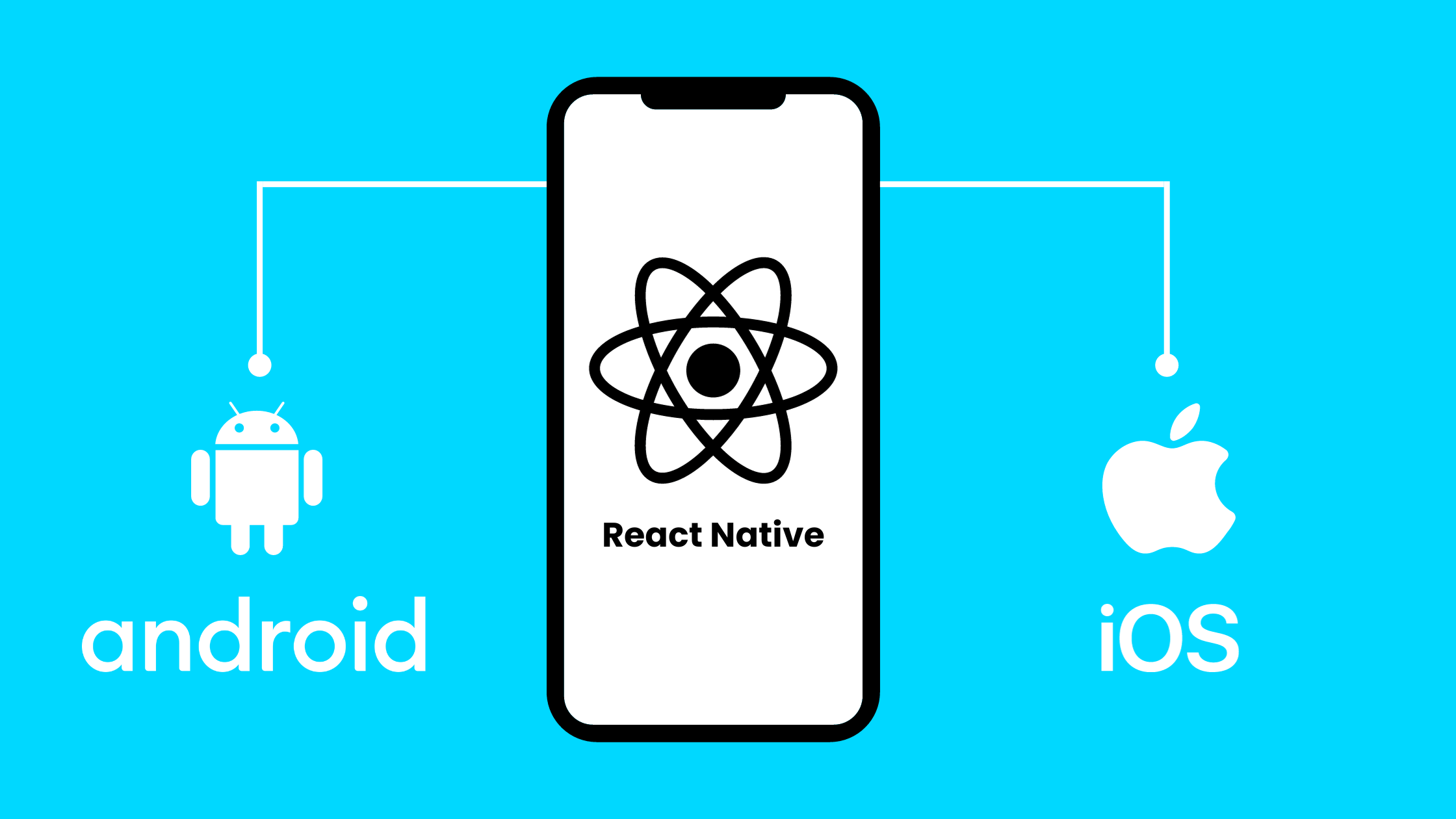
react native framework

Flutter

Flutter is a powerful, open-source UI toolkit developed by Google, designed for building natively compiled applications for mobile, web, and desktop from a single codebase. Its standout feature is a widget-based architecture that enables developers to create visually stunning, highly customizable applications. Flutter for cross-platform app development is widely used among businesses planning for cross-platform apps.

  • Widget-Based Architecture

The Flutter app development framework revolves around a rich collection of customizable widgets. This architecture enables developers to build complex UIs with smooth animations and a highly interactive experience, all while maintaining consistency across different platforms.

  • Customizable UI

Developers can extensively customize Flutter’s widgets to create unique, tailored user interfaces. This flexibility allows for high levels of design creativity and adaptability to specific app requirements, ensuring that each app stands out with its look and feel.

  • Flexible Layout System

The layout system in Flutter is highly flexible, enabling the creation of complex and responsive designs with ease. It simplifies the process of adapting layouts to various screen sizes and orientations, ensuring a consistent experience across different devices.

  • Scalability

Flutter apps are renowned for their impressive performance and scalability. Thanks to its efficient rendering engine, Skia, and the ability to compile directly to native code, Flutter handles complex and large-scale applications seamlessly, without compromising on speed or efficiency.

flutter framework

Xamarin

Xamarin is a free, open-source platform for building iOS and Android apps using .NET and C#. What makes it stand out? With its ability to share code and tap into native APIs, you get apps that feel and perform just like native ones. Plus, it’s a smart choice when you're looking for an efficient, cost-effective solution for mobile development. Xamarin allows you to create Android, iOS, and Windows apps all from one shared .NET codebase.

Unique Features of Xamarin

  • Access to Native APIs

With Xamarin, developers can access native APIs for Android and iOS, providing full control over device-specific functionalities like GPS, cameras, and sensors, making apps as feature-rich and powerful as native apps.

  • Seamless Integration with Visual Studio

Xamarin integrates seamlessly with Microsoft Visual Studio, offering a robust development environment with debugging, testing, and deployment tools, along with the benefits of code refactoring and shared project structures for smoother development.

  • Frequent Updates and Maintenance

Backed by Microsoft, Xamarin receives regular updates, ensuring that it remains compatible with the latest platform releases for iOS and Android, and continuously improves performance, security, and functionality.

  • Cross-Platform Testing Tools

Xamarin Test Cloud allows developers to test their applications across a variety of devices in the cloud. This helps ensure that the app works flawlessly on different device models and OS versions, reducing bugs and performance issues.

xamarin framework

Swift

Swiftic is a top-notch mobile app development framework that uses Apple’s Swift programming language. It’s not just for building iOS apps; you can also use it to create apps for macOS, watchOS, and tvOS. One of its major advantages is its versatility across all of Apple’s platforms. With a shared syntax, Swiftic makes it easier to develop cross-platform apps that work seamlessly between iOS, macOS, watchOS, and tvOS.

Unique Features of Swift

  • Fast and Powerful Framework

Swift is designed for speed and performance, offering fast execution times without compromising on power. Its optimized compiler translates code efficiently, making it ideal for high-performance apps.

  • Dynamic Libraries

Swift supports dynamic libraries, which can be loaded into apps at runtime. This reduces the size of an app and speeds up development by allowing developers to update libraries without needing to rebuild the entire app.

  • Real-Time Data Processing

Swift allows developers to integrate real-time data processing and analytics, enabling apps to track, analyze, and present data as it happens, whether it’s for user behavior, app performance, or other metrics.

  • Interoperability with Objective-C

Swift can work alongside Objective-C, meaning existing projects can easily integrate Swift code. Developers can gradually transition from Objective-C to Swift without rewriting the entire codebase.

swift ios framework

Framework7

Framework7 is an open-source mobile development framework that allows developers to build visually appealing web apps, mobile apps, and progressive web apps (PWAs) using HTML, CSS, and JavaScript. Known for its iOS and Android-like design elements, it offers a rich set of UI components like modals, popups, and navigation bars. Framework7 is easy to use, integrates well with popular frameworks like Vue.js and React, and provides seamless performance for building fast, responsive cross-platform apps.

Exclusive Features of Framework7

  • Rich UI Components

It comes with a comprehensive library of UI elements such as modals, popups, side panels, and navigation bars, helping developers create visually stunning, user-friendly apps.

  • Customizable Themes

Developers can customize themes specifically for iOS and Android, giving the app a unique, tailored look across platforms without compromising the user experience.

  • Touch-Optimized Interactions

Framework7 includes touch-optimized features like swipe-back, pull-to-refresh, and smooth scrolling, making the user experience more interactive and intuitive.

  • Cross-Platform Compatibility

Framework7 supports cross-platform development, enabling the creation of apps for iOS, Android, and web platforms from a single codebase, reducing development time and effort.

Framework7

Kotlin

Kotlin, a modern programming language created by JetBrains, has quickly become a favorite for Android app development. Its growing popularity in the Android developer community comes from the many benefits it offers. Here are some key reasons why Kotlin continues to be a go-to choice for building Android apps:

Excellent Features That Make Kotlin the Best Framework

  • Smart Casts

Kotlin automatically handles type casting, eliminating the need for manual casting. Once the type is checked, Kotlin performs the cast, reducing errors and making the code cleaner and easier to manage.

  • Improved IDE Support

Developed by JetBrains, Kotlin has excellent integration with Android Studio and IntelliJ IDEA, offering a smooth and efficient development experience with built-in tools like debugging, refactoring, and code navigation.

  • Concise Syntax

Kotlin reduces boilerplate code, making it easier to read and write. Its concise syntax enables developers to accomplish more with fewer lines of code, improving productivity and code maintainability.

  • Active Community and Official Support

Kotlin has strong community support and is officially endorsed by Google for Android development, ensuring continuous updates, resources, and tools to improve the development process.

Kotlin framework for android

PhoneGap/Cordova

Apache Cordova, now better known as PhoneGap, is a widely used framework for mobile app development. It allows developers to create apps using their skills in HTML, CSS, and JavaScript, making it a hit with both startups and established businesses. PhoneGap bridges the gap between web and mobile by providing access to device APIs, such as cameras, sensors, and notifications. While Android typically uses Java and iOS uses Objective-C or Swift for native app development, PhoneGap allows for easy cross-platform compatibility.

Exclusive Features of PhoneGap

  • Plugin Architecture

PhoneGap/Cordova has a robust plugin system that lets developers extend the framework’s functionality by adding features and accessing native APIs that aren’t available out-of-the-box.

  • Single Codebase for Multiple Platforms

Developers can maintain a single codebase that works across different mobile platforms, streamlining updates and maintenance and ensuring consistency across apps.

  • Rapid Prototyping

The framework’s ease of use and fast development cycle make it ideal for rapid prototyping, allowing developers to build and test app ideas quickly.

phonegap framework

NativeScript

NativeScript is a versatile open-source framework that makes building mobile apps for iOS and Android straightforward. It lets developers use their JavaScript (or TypeScript) and CSS skills to create fully native mobile applications, eliminating the need to dive into platform-specific languages or tools.

Amazing Features of NativeScript You Must Know

  • Live Sync

NativeScript’s Live Sync feature allows developers to see changes in real time as they code, speeding up the development process and making testing and refining apps easier.

  • Support for Modern JavaScript Features

NativeScript supports the latest JavaScript (ES6+) and TypeScript features, allowing developers to write modern, clean, and maintainable code.

  • Framework Compatibility

By using NativeScript, you can seamlessly integrate popular frameworks like Angular and Vue.js for a streamlined development workflow.

  • Dynamic Module Loading

NativeScript supports dynamic module loading, allowing you to load parts of your application on demand. This can improve performance and reduce initial load times by loading only the necessary code.

Nativescript Framework

Vue Native

Vue Native is a framework that brings the simplicity and power of Vue.js to mobile app development. It allows developers to build native iOS and Android apps using familiar Vue.js syntax and concepts, providing a seamless transition from web to mobile. With Vue Native, you get access to a wide range of mobile UI components, enhanced performance, and the ability to share code across platforms, all while leveraging Vue’s reactive data binding and component-based architecture.

Unique Features That Make Vue Native the Best Choice for You

  • Rich Set of Mobile Components

Vue Native provides a comprehensive library of mobile UI components tailored for iOS and Android, making it easier to design and implement native-like interfaces.

  • Performance Optimization

Vue Native is designed with performance in mind, offering efficient rendering and smooth animations to ensure a responsive and fluid user experience on mobile devices.

  • Flexible Styling Options

It supports a variety of styling methods, including inline styles and external style sheets, giving developers flexibility in how they design and customize their app’s appearance.

  • Cross-Platform Code Sharing

Vue Native enables the use of a single codebase to create apps for both iOS and Android, streamlining development and maintenance while ensuring consistency across platforms.

Vue Native

Ionic

Ionic stands out as a leading mobile app development platform, perfect for anyone wanting an easy path to build apps for multiple platforms. This widely-used hybrid framework uses familiar web technologies like HTML, CSS, and JavaScript, making it a smooth transition for web developers looking to dive into mobile app development. If you’re aiming for efficiency and simplicity in creating cross-platform apps, Ionic is the way to go.

Amazing Features of Ionic

  • Powerful CLI Tools

The Ionic Command Line Interface (CLI) provides powerful tools for creating, building, and deploying apps. It streamlines the development process with commands for generating components, running tests, and more.

  • PWA Support

Ionic supports Progressive Web Apps (PWAs), allowing you to create apps that work offline and provide a native-like experience while being accessible through web browsers.

  • Live Reloading

Ionic’s live reloading feature allows developers to see changes in real time as they code, speeding up the development process and making testing and refining apps easier.

  • Cordova and Capacitor Integration

Ionic integrates seamlessly with Apache Cordova and Capacitor, enabling access to native device features and APIs such as cameras, geolocation, and notifications.

ionic framework

Bootstrap

Bootstrap is a widely used framework that simplifies the creation of responsive, mobile-friendly websites. It’s free to use and easy to install. As a front-end toolkit, Bootstrap provides design templates for elements like typography, buttons, tables, forms, and navigation, all built with HTML and CSS. Plus, it includes JavaScript plugins for added functionality. Whether you’re looking to speed up your web development process or build a responsive website design, Bootstrap has got you covered.

Amazing Features of Bootstrap

  • Responsive Grid System

Bootstrap’s flexible grid system adjusts your website’s layout to different screen sizes and devices, ensuring a consistent and user-friendly experience across desktops, tablets, and smartphones.

  • Cross-Browser Compatibility

Bootstrap ensures that your website looks and works consistently across all major browsers, including Chrome, Firefox, Safari, and Edge, reducing the need for extensive browser-specific adjustments.

  • Extensive Documentation and Community Support

The framework boasts comprehensive documentation and a large, active community, offering plenty of resources, tutorials, and support to help you troubleshoot issues and make the most of Bootstrap’s features.

  • Flexbox and Utility Classes

Bootstrap incorporates Flexbox for advanced layout control and provides a range of utility classes for spacing, alignment, and sizing, making it easier to create complex layouts with minimal CSS.

Bootstrap framework

Mobile Angular UI

Mobile Angular UI is a framework designed for building mobile-first web applications using AngularJS. It provides a set of mobile-optimized UI components and directives that enhance the user experience on touch devices. With features like responsive layouts, touch gestures, and pre-styled elements, Mobile Angular UI simplifies the development of modern, interactive web apps. It combines AngularJS’s power with mobile-friendly design, ensuring smooth performance and an intuitive user interface.

Unique Features of Mobile Angular UI

  • Pre-Styled UI Elements

It provides a range of pre-styled, mobile-first components like sidebars, navbars, and models, allowing for rapid development and a polished look without extensive custom styling.

  • Easy Integration with Existing Projects

The framework is designed to be easily integrated into existing AngularJS projects, allowing developers to enhance their apps with mobile-optimized features without a complete overhaul.

Mobile angular ui framework

Summing Up

Mobile app development frameworks bring many advantages, such as building apps for multiple platforms from a single codebase, speeding up development, and saving costs. Yet, they also present some challenges, like potential performance issues, limited access to native features, and design constraints.

Choosing between a framework and native development depends on your project's needs, available resources, and the user experience you want to deliver. It is very important to pick the best tech stack for mobile app success. To make the best decision for your business, reach out to our mobile app development team. We’d be happy to discuss your project and share what our clients have to say about their experiences with us.

Ready to grow, but need more clarity?

Talk to our expert consultants and take the next step in your business journey with us today!

SearchGPT: Can It Be an Alternative to Google?

Imagine a search engine that truly understands your questions, going beyond simple keyword matching to provide precise answers without the need to click through endless links. 

Well, your search ends here! 

OpenAI has introduced Search GPT, a revolutionary search model that's rapidly transforming the search landscape. Following the groundbreaking success of ChatGPT-4, OpenAI's announcement on July 25 has sparked a wave of excitement in the market, making SearchGPT a major focus of attention. This innovation is already making a significant impact across the tech industry. 

Let’s dive deeper to explore how SearchGPT is changing the game.

What is SearchGPT?

SearchGPT is a prototype model currently accessible to a selected group of users and publishers. It is designed to combine the capabilities of OpenAI's advanced AI models with real-time web searches. SearchGPT provides results based on your queries, along with links and sources for further exploration. 

OpenAI is leveraging direct content feeds and collaborating with third-party partners to build search results. This strategic approach allows for real-time feedback and ensures a smooth system flow before the final launch.

Video Credit: OpenAI

From Google to Search GPT : The Evolution of Search

Search technology has come a long way. In the early days, searches heavily relied on keyword research, making it difficult for search engines to fully understand the intent behind a user's query. 

Google, a big name in the search world, provides users with access to the information they seek. Its keyword ranking system allows them to zero in on the pages that they are looking for, delivering accurate results. Notwithstanding these advancements, Google's keyword-based search has certain limitations. It sometimes struggles to understand the intent behind a query, resulting in search results that may be technically relevant but lack utility or accuracy. 

Natural Language Processing (NLP) changed the game. This technology enables computers to understand and interpret human language more like we do, taking into account the tone and intent behind the search. 

SearchGPT takes this a step further, utilizing advanced NLP to deliver more accurate and relevant results, along with external links for further assistance.

What Makes Search GPT Different from Other Tools?

SearchGPT has integrated various features that make it distinctive and unique in many ways. Here are standout features:

Infographic for "What Makes Search GPT Different?' highlighting three key features: Natural Language Processing (NLP), Real-Time Data Integration, and Contextual Awareness.

Natural Language Processing (NLP)

Traditional search engines rely heavily on keyword research, which can make it difficult to understand the unique needs of users. In contrast, SearchGPT uses Natural Language Processing (NLP) to interpret queries more deeply and accurately. This technology allows SearchGPT to understand the intent behind the queries and respond in a conversational tone. As a result, users receive more relevant and contextually appropriate results based on their specific questions.

Real-Time Data Integration

Real-time data integration enhances SearchGPT's accuracy and user-friendliness. By providing up-to-date information, including the latest news and updates, SearchGPT ensures that users receive current and relevant results.

Contextual Awareness

One of the most attractive features of SearchGPT is its contextual awareness. This capability allows it to handle multiple queries while maintaining the flow of conversation. When you ask follow-up questions, SearchGPT remembers the previous context, providing more accurate and concise responses based on the ongoing discussion.

What Could Be the Cost of SearchGPT?

As of the latest updates, OpenAI has not officially announced any specific pricing for SearchGPT. Currently, the model is accessible to a selected group of 10,000 beta users. While the exact pricing model is yet to be announced, a subscription model similar to ChatGPT Plus is a possibility.

The Future of Search with SearchGPT

SearchGPT is more than just a tool; it offers a glimpse into the future of technology and what lies ahead. If successful, it could greatly impact how we search, how content is optimized, and even how we interact with data found online.

Nicholas Thompson, CEO of The Atlantic, recognizes the potential impact of AI-powered search and the importance of collaboration between publishers and AI developers:

"AI search is going to become one of the key ways that people navigate the internet, and it's crucial, in these early days, that the technology is built in a way that values, respects, and protects journalism and publishers. We look forward to partnering with OpenAI in the process, and creating a new way for readers to discover The Atlantic."

This partnership makes it clear that SearchGPT has the power to completely change how people find information. It also opens up new doors for publishers to reach their readers. 

Sure, challenges lie ahead. OpenAI has to address questions about data privacy and potential biases in results. But, SearchGPT has so much potential that can't be denied. It could be a major turning point in how search works, totally changing how we find and understand information.