+91-98558-85133
 +1(702)760-3099

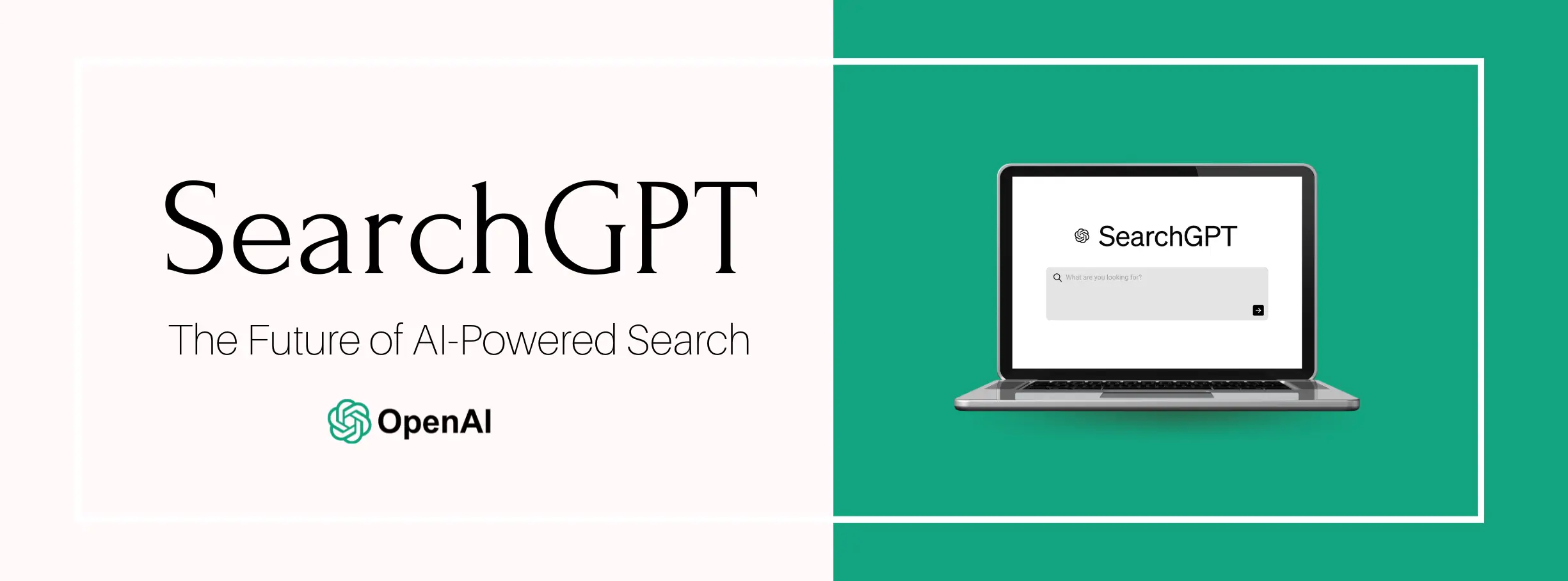
Imagine a search engine that truly understands your questions, going beyond simple keyword matching to provide precise answers without the need to click through endless links.
Well, your search ends here!
OpenAI has introduced Search GPT, a revolutionary search model that's rapidly transforming the search landscape. Following the groundbreaking success of ChatGPT-4, OpenAI's announcement on July 25 has sparked a wave of excitement in the market, making SearchGPT a major focus of attention. This innovation is already making a significant impact across the tech industry.
Let’s dive deeper to explore how SearchGPT is changing the game.
What is SearchGPT?
SearchGPT is a prototype model currently accessible to a selected group of users and publishers. It is designed to combine the capabilities of OpenAI's advanced AI models with real-time web searches. SearchGPT provides results based on your queries, along with links and sources for further exploration.
OpenAI is leveraging direct content feeds and collaborating with third-party partners to build search results. This strategic approach allows for real-time feedback and ensures a smooth system flow before the final launch.
Video Credit: OpenAI
From Google to Search GPT : The Evolution of Search
Search technology has come a long way. In the early days, searches heavily relied on keyword research, making it difficult for search engines to fully understand the intent behind a user's query.
Google, a big name in the search world, provides users with access to the information they seek. Its keyword ranking system allows them to zero in on the pages that they are looking for, delivering accurate results. Notwithstanding these advancements, Google's keyword-based search has certain limitations. It sometimes struggles to understand the intent behind a query, resulting in search results that may be technically relevant but lack utility or accuracy.
Natural Language Processing (NLP) changed the game. This technology enables computers to understand and interpret human language more like we do, taking into account the tone and intent behind the search.
SearchGPT takes this a step further, utilizing advanced NLP to deliver more accurate and relevant results, along with external links for further assistance.
What Makes Search GPT Different from Other Tools?
SearchGPT has integrated various features that make it distinctive and unique in many ways. Here are standout features:

Natural Language Processing (NLP)
Traditional search engines rely heavily on keyword research, which can make it difficult to understand the unique needs of users. In contrast, SearchGPT uses Natural Language Processing (NLP) to interpret queries more deeply and accurately. This technology allows SearchGPT to understand the intent behind the queries and respond in a conversational tone. As a result, users receive more relevant and contextually appropriate results based on their specific questions.
Real-Time Data Integration
Real-time data integration enhances SearchGPT's accuracy and user-friendliness. By providing up-to-date information, including the latest news and updates, SearchGPT ensures that users receive current and relevant results.
Contextual Awareness
One of the most attractive features of SearchGPT is its contextual awareness. This capability allows it to handle multiple queries while maintaining the flow of conversation. When you ask follow-up questions, SearchGPT remembers the previous context, providing more accurate and concise responses based on the ongoing discussion.
What Could Be the Cost of SearchGPT?
As of the latest updates, OpenAI has not officially announced any specific pricing for SearchGPT. Currently, the model is accessible to a selected group of 10,000 beta users. While the exact pricing model is yet to be announced, a subscription model similar to ChatGPT Plus is a possibility.
The Future of Search with SearchGPT
SearchGPT is more than just a tool; it offers a glimpse into the future of technology and what lies ahead. If successful, it could greatly impact how we search, how content is optimized, and even how we interact with data found online.
Nicholas Thompson, CEO of The Atlantic, recognizes the potential impact of AI-powered search and the importance of collaboration between publishers and AI developers:
"AI search is going to become one of the key ways that people navigate the internet, and it's crucial, in these early days, that the technology is built in a way that values, respects, and protects journalism and publishers. We look forward to partnering with OpenAI in the process, and creating a new way for readers to discover The Atlantic."
This partnership makes it clear that SearchGPT has the power to completely change how people find information. It also opens up new doors for publishers to reach their readers.
Sure, challenges lie ahead. OpenAI has to address questions about data privacy and potential biases in results. But, SearchGPT has so much potential that can't be denied. It could be a major turning point in how search works, totally changing how we find and understand information.