performance icon
Top IT Services Company 2025 Top Software Developers 2025 Top Generative AI Company 2025 G2 High Performer Winter 2025 G2 Leader Winter 2025 AI Deployment Company 2024 Top Software Development Company in USA for 2024 Top ReactJs Company in USA for 2024
trigma-logo

How Can Generative AI Benefit Your Business?

Generative AI is currently one of the hottest topics in the tech industry, consistently surprising everyone with its innovative advancements and breakthroughs. It has captured the attention of almost everyone and is dominating the tech market.

According to a Statista report, the generative AI market size is expected to reach $356.10 billion by 2030, growing at a CAGR of 46.47%.

Generative AI, a rapidly growing branch of AI, is revolutionizing the way we create, work, and innovate. From enhancing creativity to boosting productivity, generative AI applications are diverse and impactful, serving various industries.

In this blog, we will explore the benefits of generative AI and its future.

What Can Gen AI Offer You?

Every technology has the potential to create something unique, and generative AI is no exception. It is making significant changes in people's lives and has contributed immensely to the tech market. Here are the benefits that generative AI can offer:
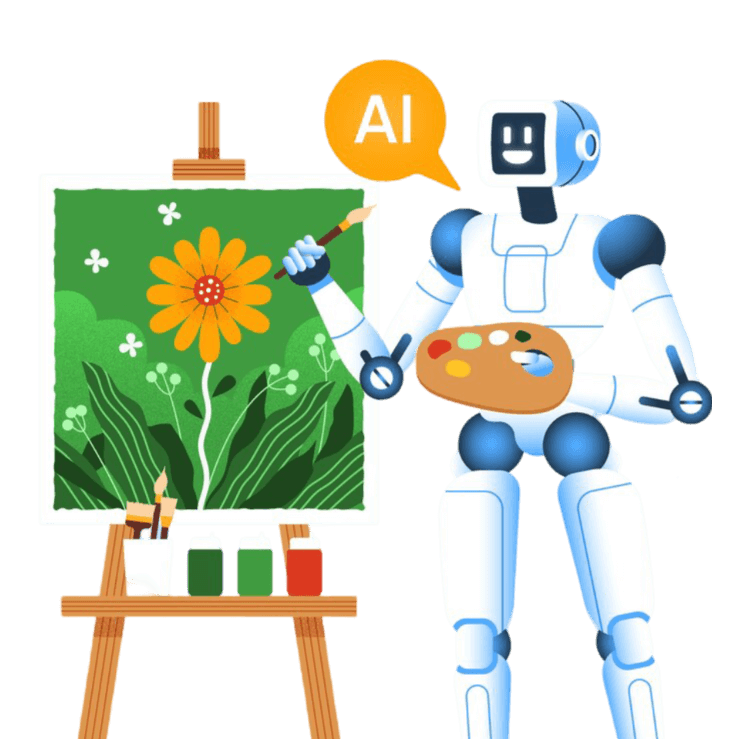
Art and Design

Art and Design

Generative AI boosts creativity across various domains by offering unique designs. It revolutionizes art and design by producing innovative and original artwork, beautiful patterns, and textures with amazing graphics.

Writing and Content Creation

Content creation is vital for any business, and great content is an asset for growth. Generative AI makes this easier by automating content creation. Whether writing blog posts, emails, or crafting website content, AI helps create effective and engaging material in real-time.

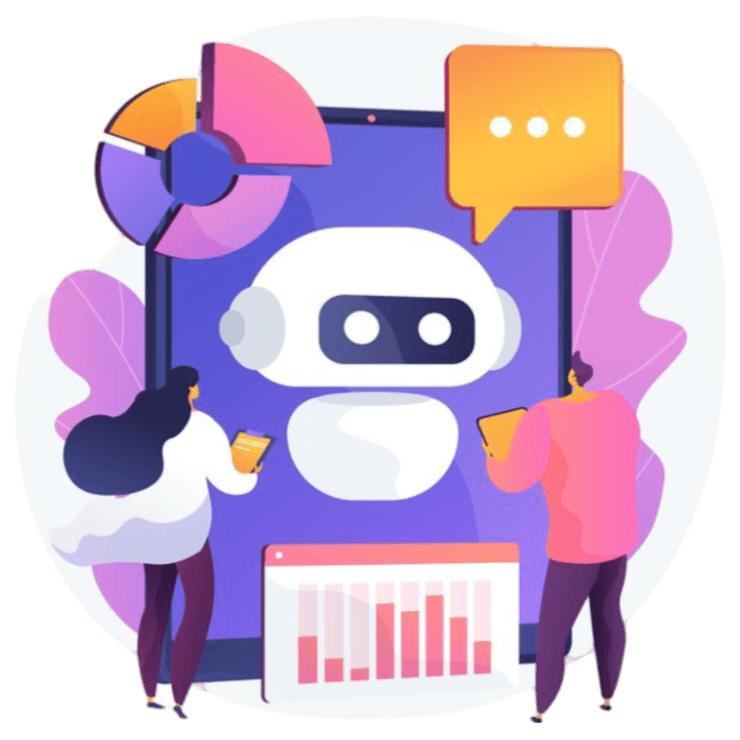
Writing and Content Creation
Improving Customer Experience

Improving Customer Experience

The customer is king, and without customer satisfaction, a business cannot operate and grow sustainably. Generative AI analyzes vast amounts of customer data, generating personalized recommendations, product suggestions, and customer messages. AI algorithms enhance customer satisfaction and loyalty, attracting more sales and fostering growth.

Boosting Productivity

Generative AI increases productivity by automating routine and repetitive tasks, freeing management to focus on more innovative work. Through AI algorithms, businesses can increase efficiency and reduce overall costs.

Boosting Productivity
Creative Designing and Innovation

Creative Designing and Innovation

Designing is crucial for product development and branding. Generative AI provides developers with access to new design ideas and helps create product prototypes and architectural designs, offering a vast array of design options.

Predictive Analysis and Improved Decision-Making

Decision-making is paramount to an organization's success. Generative AI, in collaboration with predictive analysis, examines historical data, identifies trends and patterns, and forecasts future developments This advanced analysis helps businesses make informed and smart decisions.

Generative AI offers numerous benefits across various domains, significantly impacting art, design, content creation, customer experience, productivity, innovation, and decision-making.
Predictive Analysis and Improved Decision-Making

Future Trends of Gen AI

The future of artificial intelligence (Gen AI) holds enormous potential, with advances that will affect industries and society in revolutionary ways. As AI continues to evolve, here are some of the key trends shaping the future:

Improved Human-AI Collaboration

Generative AI will increasingly serve as a collaborative partner, enhancing human creativity and decision-making. In fields like design, architecture, and entertainment, AI helps generate innovative ideas and prototypes previously unimaginable. This collaboration allows people to guide AI models, refining and improving products, ultimately leading to more creative and groundbreaking outcomes.

AI-Generated Virtual Worlds and Metaverse Development

As the metaverse evolves, generative AI will be key in crafting immersive virtual worlds with realistic environments, characters, and interactions. It will unlock endless possibilities for gaming, socializing, and commerce. Businesses can tap into AI-generated spaces for branding, virtual retail, and customer engagement, opening new revenue streams.

Autonomous AI Systems

Generative AI will be integral to autonomous systems like self-driving cars, drones, and robots, enabling real-time problem-solving. In autonomous vehicles, AI analyzes surroundings and predicts driver behavior to create safe driving strategies. This innovation will revolutionize transportation, logistics, and manufacturing, enhancing efficiency, safety, and operational effectiveness across these sectors.

Summing Up

Generative AI can transform the tech industry and pave the way for an exciting future. Forbes reports that AI will automate tasks, enabling humans to focus more on innovative and creative endeavors.

Generative AI will empower individuals with personalized AI voice assistants in the coming years. People will also use generative AI for making investment decisions, gaining a broader perspective on their investments.

Undoubtedly, advancements in AI will reshape the tech industry and enhance businesses in ways we can't even imagine.

At Trigma, we stand at the forefront of innovation by embracing market changes and new technologies. We offer the best services to integrate innovation into your business and provide exceptional value.
Top UX/UI Design Trends to Watch in 2025

User experience is the heart of web design innovation. Today’s websites are not just about looks; they are about creating immersive, individualized journeys. With the power of AI and augmented reality, the future of UX will bring next-level engagement to the digital world.

In this blog, we’ll explore the UX/UI trends that are set to revolutionize web design. From design strategies to evolving user expectations, we’ll help you stay ahead of the curve and create websites that attract more and more visitors. Whether you're a designer, developer, or business owner, these trends are crucial to building future-ready digital experiences.

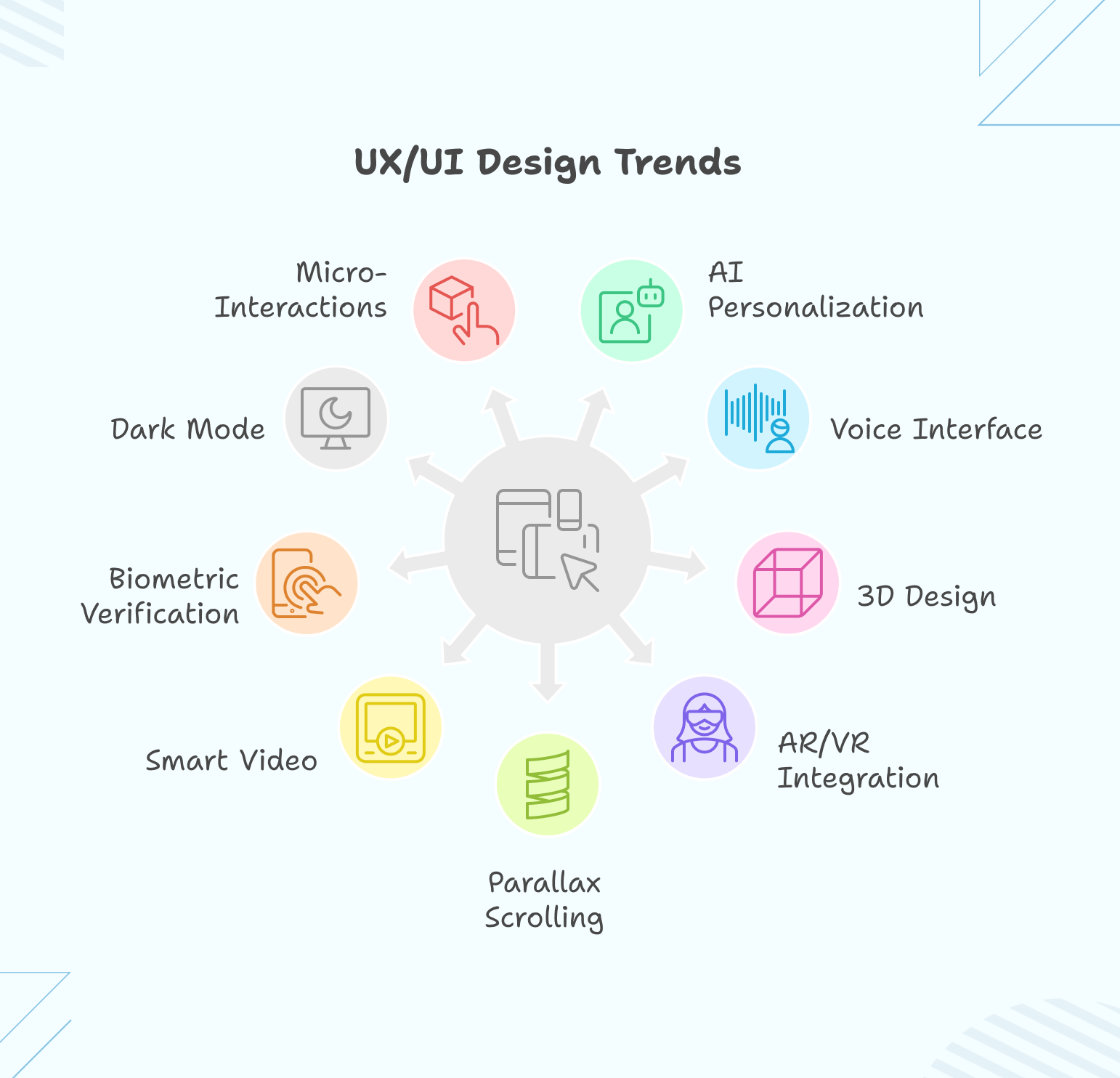
Design Trends That Will Define the Future of UX/UI

Are you planning to update your website’s UX with the latest trends? Here are some unique design trends that can help you make your website stand out:

UI Design Trends

1. AI-Powered Personalization

AI-powered personalisation is transforming website design by tailoring each visitor’s experience based on their behaviour. By analysing clicks, browsing time, and content preferences, AI adapts your website to show relevant products, content, and dynamic layouts. This creates a more intuitive, user-friendly experience, increasing engagement and making each visit feel unique and individualised.

Nowadays AI-powered personalization is increasingly used by businesses to drive higher customer engagement on their websites.

According to Technavio, the artificial intelligence-based personalization market size is estimated to increase by USD 2.52 billion, at a CAGR of 18.52% between 2023 and 2028.

2. Voice-Activated Interface

Voice-enabled interfaces are changing website interaction by allowing hands-free navigation and task completion through speech. Users can search, browse, and perform actions easily, improving accessibility and creating a more engaging experience. This technology enhances convenience, especially for people with disabilities, while offering a seamless and efficient browsing experience that boosts engagement and conversion rates.

As per Global Market Insights, the Voice User Interface Market size was valued at USD 16.5 billion in 2023 and is anticipated to grow at a CAGR of over 20% between 2024 and 2032.

3. 3D and Immersive Design

3D and immersive design enhances websites by adding interactive elements like 3D visuals, animations, and technologies such as AR and VR. These features create dynamic, engaging experiences, allowing users to explore products in detail, visualize spaces, or interact with content in real time. This boosts user engagement, fosters emotional connections, and helps businesses stand out. With accessible tools, 3D and immersive design are becoming essential for creating modern, competitive websites.

4. Advanced AR/VR Integration

Advanced AR/VR integration transforms websites by offering immersive, interactive experiences. AR enables virtual try-ons or product visualizations, like seeing furniture in a room or trying on clothes. VR offers virtual tours, perfect for real estate or travel websites. For example, real estate sites use VR for property tours, while e-commerce sites use AR for virtual try-ons. These technologies enhance user engagement, boost confidence in decisions, and help businesses stand out by providing unique experiences that attract and retain customers.

According to MarketsandMarkets, the Augmented Reality and Virtual Reality Market size was valued at USD 22.12 billion in 2024 and is expected to reach USD $96.32 billion by 2029, growing at a CAGR of 34.2% during the forecast period 2024 to 2029.

5. Parallax Scrolling

Parallax scrolling is a design technique that creates a sense of depth and movement by making the background and foreground elements move at different speeds as the user scrolls. This adds an engaging, dynamic effect to websites. For example, parallax scrolling can be used to create immersive storytelling, where text and images move independently, drawing users deeper into the content. It enhances user experience by making the website feel interactive and visually appealing, helping businesses capture attention and create memorable impressions.

6. Smart Video Integration

Smart Video Integration takes videos to the next level by making them interactive and personalized. Rather than just playing, videos can include features like autoplay, clickable links, and content recommendations based on user behavior. For instance, a video might change its content depending on the viewer’s actions or offer additional resources once it’s finished. This creates a more engaging, immersive experience that keeps users involved and encourages further interaction.

For example, e-commerce videos can suggest products, while fitness videos offer personalized plans. This creates engaging, immersive experiences, increasing user interaction across industries.

7. Biometric Verification

Biometric verification is transforming web security by offering a seamless, user-friendly experience. Instead of relying on traditional passwords, biometric authentication, like facial recognition or fingerprint scanning, allows users to access their accounts quickly and securely. This innovative approach enhances both convenience and protection, making it an essential trend in modern web design.

8. Dark Mode

Dark mode has become a standout trend in web design, offering a sleek, modern aesthetic while improving user comfort. With dark backgrounds reducing eye strain, especially in low-light environments, it enhances readability. Many users prefer dark mode, so offering easy theme-switching options can cater to their preferences. Additionally, dark mode boosts energy efficiency on OLED screens, making it both a user-friendly and eco-conscious design choice.

9. Micro-Interactions

Internal interactions are small visual movements that have a big impact on UX design. These include functions such as swiping, animations, and data entry, making the user experience better, more interesting, and more enjoyable.

For example, when a user clicks on a button it will slowly change colour or animation, creating a sense of well-being and guiding them through the site. Microinteractions add a sense of fun and excitement to mundane tasks like scrolling or submitting a form.

Summing Up

Web design is evolving to deliver simple, immersive, and unique experiences. From AI personalization to voice-activated interfaces, 3D design to biometric authentication, each trend pushes the boundaries of user experience. These innovations make websites more attractive, intuitive, and secure, appealing to diverse target groups with their needs and desires.

Whether it's a side-scrolling story, a low-impact dark mode, or just a little interaction anxiety, using these web development trends and Top Technologies for Web Development will put your website at the forefront of modern UX design. Partner with Trigma a well-known UI/UX Design Company to get a featured-rich and attractive website for your business.

With Trigma Let Us Redefine Your Website With The Latest Design Innovations

A Step-by-Step Guide to Developing a Custom Venue Booking Solution

If you're planning to have a custom venue listing and booking platform designed for your business, this blog is a must-read. It will guide you through the essential steps, helping you create a solution that perfectly fits your needs and goals.

How Does The Venue Listing & Booking Solution Work?

A venue listing & booking solution is an online platform that simplifies the process of finding and booking the perfect venue for any event. Whether it's for a corporate gathering or a personal celebration, this solution offers a range of venues to explore, compare, and choose from, based on key factors like location, capacity, amenities, and pricing. These software have increasingly become popular amongst event planners over the past few years.

Step-By-Step Guide For Developing A Venue Marketplace

Are you planning to get a custom venue listing & booking solution designed by an expert app development company? Well, here’s a step-by-step procedure to guide you through the development process, ensuring your platform meets all your needs and expectations:

Step-By-Step Guide For Developing A Venue Marketplace

1. Initial Discussion

The development company you’ve hired for your platform development will start by understanding your vision, goals, and specific requirements for the event listing and booking solution. This includes discussing the target audience, types of events and venues, and the type of platform you need, whether it's a mobile app, web app, or cross-platform solution. The company will also assess your design preferences, scalability needs, and any unique functionalities you want to include.

2. Market Research & Competitor Analysis

Once your project needs are clear, the development company will conduct thorough market research. This involves evaluating competitors, examining industry trends, and identifying gaps in the market. By studying existing event booking platforms, they will pinpoint areas for improvement, ensuring your solution stands out with distinct features. The research will also consider user preferences to shape the platform’s design and functionality, giving you an edge in the market.

3. Designing the User Experience (UX)

After analyzing market trends, the next step is designing the app's UX/UI. This involves crafting an intuitive user flow, ensuring smooth navigation from venue selection to booking confirmation. The design should be responsive across all devices, offering real-time updates like venue availability and booking status. Users should also be able to personalize their experience by saving favorites, applying search filters, or setting preferences.

4. Choosing The Right Tech Stack

Now it’s time to move to the next step: selecting the right technologies to build the venue marketplace. This involves choosing a tech stack that ensures scalability, security, and smooth functionality. Key considerations include selecting an efficient database, integrating secure payment systems, and incorporating essential services like GPS tracking. A carefully chosen tech stack will enhance performance, ensure seamless user interactions, and support the platform's growth as user demand increases.

5. Planning The Platform Features

With the tech stack in place, the next crucial task is to identify the essential features for your event space marketplace. Essential features include real-time availability, advanced search filters, booking management, secure payment integration, venue comparison, and ratings. Innovative features like personalized recommendations and multi-platform integration will boost engagement, attract more users, and enhance customer satisfaction.

6. Development And Testing

Turning ideas into reality starts now. The next step is developing the venue listing & booking platform. This involves turning the planned features and design into a fully functional application. Once developed, the platform undergoes testing to ensure all features work as expected and the performance is optimized across different devices. Any bugs identified during testing are addressed before the final launch.

7. Launch and marketing

Following development and testing, the next milestone is launching your platform to the market. During the launch make sure your launch date is chosen wisely. Proper marketing of the app must be done before and after the launch. This will help in creating a craze amongst the audience about your venue listing & booking solution. To ensure success Press releases, teasers, and, promotional events must be done at regular intervals.

8. Support and Maintenance

The launch of your venue listing & booking platform marks only the beginning of an exciting journey. It's time to keep evolving to stay ahead of the competition. Regularly inquire with your development partner about the app’s market performance and user feedback. To stay competitive, ensure that the design and features evolve in line with the latest trends in the event management industry. These upgrades will help your business capture new users, improve user retention, and stay ahead of the competition.

Let’s Summarize

We hope that you would have got a clear idea in your mind about the venue marketplace development process. If you are planning to expand your business in the dynamic event management industry then the platform can give you a fantastic start. Make sure to collaborate with a trusted custom software solution company to build a platform that perfectly suits your needs.

Transform Your Ideas into a Custom Event Management App

Ready to turn your ideas into a seamless event management app? Trigma is your trusted partner in creating user-friendly, feature-packed solutions tailored to your needs.

Difference between managed security and traditional cybersecurity

Cyberattacks are everywhere, from data breaches at big companies to viruses sneaking into your phone. Your data is always at risk, with millions of sites and apps constantly tracking your activity at every stage. Your every interaction is visible to another person, even without your approval.

To stay protected, people rely on some form of cybersecurity to secure their data from various breaches. They crucially use two ways to protect your data- traditional cybersecurity and managed security services.

Traditional cybersecurity involves the internal team handling your own protection using tools like antivirus software, firewalls, and manual updates. On the other hand, managed security puts a team of experts in charge - monitoring threats, responding in real time, and keeping your system safe 24/7.

They may be similar, but they work in different ways. In this blog, we’ll explore the key differences between managed and traditional security and how each one helps protect your data in a world full of digital threats.

What is Traditional Cybersecurity?

Traditional cybersecurity is an approach to protect your digital systems and data within the organization. It usually relies on in-house IT teams or individuals using software tools to guard against threats like viruses, malware, and hackers.

Key Features

Internal management

All cybersecurity tasks like detecting viruses, updating firewalls, or managing backups are all handled by your teams.

One-time tools

It includes software or hardware bought and installed once, with occasional updates.

Reactive response

Most actions are taken after an issue is detected, such as removing a virus or patching.

Limited monitoring

Threats are detected when someone is actively checking the system or if a tool sends an alert.

Resource intensive

It generally requires time, attention, and technical knowledge of the team, especially when cyber threats become more advanced.

Common Challenges in Traditional Cybersecurity

Below are the listed challenges businesses still face in their protection while opting for traditional cybersecurity.

1. Slow response time

It generally requires time, attention, and technical knowledge of the team, especially when cyber threats become more advanced.

2. High dependence on in-house teams

All security tasks, from monitoring to fixing issues, fall on the internal team. If they are not highly trained in cybersecurity, it might affect the whole process.

3. Limited monitoring

Traditional tools don’t offer 24/7 support. Many threats just happen outside business hours and often go undetected.

4. Manual updates

Traditional tools require manual patching and updates. If updates are missed or delayed, the system becomes more vulnerable to new threats.

Estimated Cost Required

Below is the breakdown of the overall cost required in traditional cybersecurity.

1. Upfront costs

These are usually one-time costs or annual expenses, like antivirus software, license, security hardware, and license for each device. As the team grows, they can add up quickly.

2. Maintenance or monitoring costs

This cost is required to install, manage, and monitor these tools regularly. It includes hiring IT staff, outsourcing tech support, and paying for software updates. This requires time, effort, and skill at every stage.

3. Cost of cyberattacks

The cost of fixing the damage after a cyberattack. This is a hidden danger and affects the overall cybersecurity structure.

Most Suitable For

Most Suitable managed security & traditional cybersecurity

What is Managed Security?

Managed security is like having a team of cybersecurity experts watching over your systems 24/7. Instead of depending on an in-house team, companies outsource their cybersecurity needs to a third-party provider, often called a Managed Security Service Provider (MSSP).

They take care of everything from monitoring to detecting real-time issues and responding to them quickly.

Key Features

1. Real-time threat detection

When something unusual is detected, the providers immediately take action and reduce the risk of major damage.

2. Round-the-clock support

MSSP constantly tracks every activity and immediately takes action if any suspicious activity is detected.

3. Regular updates and patching

Security providers ensure all your systems and software are up to date with the latest security patches.

4. Scalable protection

Whether you’re a small business or a growing enterprise, managed security can scale with you, offering you protection that fits your business size.

Strengthen Your Cyber Defenses Today

Cyber attacks don’t wait, and neither should you!

Types of Services in Managed Security

1. Security information and event management (SIEM)

SIEM tools collect data from across your network and analyze it to detect unusual patterns or hidden threats.

2. Firewall & network security management

This includes installing and managing your firewalls that keep unwanted visitors out of the network.

3. Cloud security

Businesses use cloud storage and online tools, so keeping that data safe becomes critical. MSSP protects cloud platforms like Google Workspace, Microsoft 365, and AWS.

When do you need Managed Security?

Below is the list of situations when you need managed security.

  1. You have faced a cybersecurity or data breach
  2. Your business doesn’t have a cybersecurity expert
  3. Your business is growing rapidly
  4. You handle sensitive customer data
  5. You can’t monitor the system 24/7
  6. You want to avoid high recovery costs

In short, if your business is growing, handles valuable data, or lacks dedicated security experts, managed security is a necessity.

Traditional v/s Managed Security

Basis Traditional Security Managed Security
Who manages it? In-house IT team or staff External cybersecurity experts (MSSP)
Monitoring Usually during business hours 24/7 real-time monitoring
Threat detection & response Slower, depends upon internal team Fast, automated, and expert-centric response
Tools used Antivirus, firewalls, and manual updates Advanced tools like SIEM, automated threat protection, and endpoint protection
Costs Lower upfront but hidden long-term costs Subscription-based, predictable monthly costs
Expertise required Needs skilled IT staff Handled by professionals

Conclusion

Cybersecurity isn’t just for big companies - it’s something that every business needs to think about. Protecting your data is the main key to scaling the business. Choosing between traditional and managed security is crucial, and it depends upon your goals, resources, and how much you’re comfortable managing.

Trigma offers you end-to-end cybersecurity services, from traditional tools to fully managed protection plans. Our expert developers help you build a custom strategy that fits your needs, protect your data, and keep threats away with 24/7 monitoring.

Your Security and Privacy Matter the Most

Smart, scalable cybersecurity solutions tailored to your business needs

How AI & ML Are Transforming the Future of E-Learning in 2025

The education sector has become a prime target for innovation, with e-learning leading the charge. Businesses investing in this space are addressing a critical need and tapping into a rapidly growing market. Are you planning to step into this dynamic sector with a futuristic and user-centric e-learning app?

Before proceeding, it’s crucial to assess the evolution of two important technologies—artificial Intelligence (AI) and Machine Learning (ML)—that have completely transformed the landscape of e-learning apps. These technologies empower e-learning apps by providing personalized, adaptive learning experiences and enhancing user engagement.

Wondering how AI and ML have transformed the world of e-learning apps? This blog will guide you through the incredible changes e-learning apps have undergone with the integration of these technologies, revolutionizing how students learn and interact with educational content.

What You Can Expect From Integration Of AI and ML in E-Learning Apps

Imagine learners stepping into a virtual classroom that understands them better than their favorite teacher ever could—knowing not just what they need to learn, but how they learn best. What if an app could adapt in real-time, offering personalized guidance tailored to each learner’s strengths and struggles? Welcome to the AI-ML-powered revolution in e-learning, where education isn’t one-size-fits-all, but as unique as every learner. Let’s explore how these revolutionary technologies can make your e-learning app more competitive, user-centric, and responsive to the needs of learners.

Personalized Learning Paths

By using AI and ML in your e-learning app you can create adaptive learning environments by analyzing each learner’s performance, preferences, and learning styles. This enables the system to automatically adjust content and suggest the most relevant resources, ensuring that each learner receives a customized experience. Whether it’s presenting challenging material or providing easier lessons to reinforce learning, personalized learning paths keep students engaged and progressing at their own pace. This approach boosts retention, maximizes learning outcomes, and ensures that content is both relevant and impactful for every user.

Example

There are various e-learning apps these days that have adopted AI and ML technologies to create personalized learning experiences for their users. These apps analyze individual learning patterns, performance, and preferences, tailoring content to meet specific needs.

This language-learning app uses AI to adjust lesson difficulty, ensuring that learners receive the right level of challenge while offering personalized feedback and tracking progress.

AI Avatars

AI avatars are revolutionizing e-learning by creating an immersive, personalized learning environment. These intelligent digital avatars serve as virtual instructors or assistants, offering real-time, customized support based on each learner’s progress and preferences. Moving beyond traditional methods, AI avatars engage learners with dynamic interactions, adapting their teaching style to keep students motivated, focused, and on track, ensuring a truly unique educational experience. By mimicking human interactions, these avatars can answer questions, give feedback, and explain complex concepts in an intuitive, easy-to-understand manner.

Predictive Analytics for Early Intervention

If you're building a new e-learning app and want to ensure your users get the best possible experience, integrating AI-driven predictive analytics is a game-changer. Imagine having the ability to spot struggling students before they fall too far behind. By analyzing key data like attendance, assignment completion, and online behavior, AI can predict which learners are at risk of falling off track, giving you the chance to intervene early and provide tailored support.

This isn’t just about preventing failure; it’s about helping every student overcome their weaknesses. With AI, you can offer real-time insights into student progress, allowing educators to adjust their teaching methods as needed. This proactive approach not only increases engagement but also helps learners stay motivated and on the path to success.

Example

The following are examples of e-learning platforms that have adopted this revolutionary technology, helping educators shape a brighter future for their students:

Canvas, a popular Learning Management System (LMS), uses predictive analytics to identify at-risk students by analyzing engagement, performance, and attendance data. This allows educators to receive early alerts and intervene promptly, offering support to struggling students for better outcomes.

AR And VR Based E-Learning

Virtual Reality (VR) and Augmented Reality (AR) are transforming e-learning by providing immersive and interactive experiences. VR immerses students in virtual environments, enhancing complex subjects, while AR overlays digital content onto the real world, allowing for hands-on interaction. Both technologies increase engagement, facilitate practical learning, and improve understanding. By integrating VR and AR, e-learning apps create dynamic, memorable learning experiences that boost student retention.

Example

Many e-learning apps have embraced AR and VR technology with the aim of offering students an unforgettable and immersive learning experience. Let’s explore this further with some examples:

zSpace (VR/AR)

Combining both VR and AR, zSpace enables students to immerse themselves in interactive 3D environments. Whether conducting virtual science experiments or exploring engineering simulations, learners gain valuable practical experience in a risk-free, controlled setting.

Emotion Recognition for Better Engagement

With AI algorithms, educators can analyze students' facial expressions, voice tone, and body language during online lessons to assess their emotional engagement. By tracking these emotional cues, AI can identify when students are confused, frustrated, or bored. This data allows educators to adjust teaching methods in real time, tailoring the pace or content of lessons to keep students motivated and actively engaged in their learning journey.

Example

Although emotion recognition is still an emerging phase in e-learning, several innovative apps have already begun to harness this concept to provide their students with an enhanced and more engaging learning experience. Let’s take a look at a few of them:

This personalized learning platform uses AI to track student behavior and engagement. It monitors students' emotional responses through their interactions and provides data-driven feedback to both students and instructors, enabling real-time adjustments to learning paths and activities.

AI-Powered Adaptive Testing and Assessment

AI-powered adaptive testing and assessment revolutionize the way students' skills are measured. By adjusting the difficulty of questions based on a learner's previous responses, AI ensures that tests remain challenging but not overwhelming. This provides a more accurate reflection of a student’s abilities, helping educators identify specific areas for improvement and tailoring further instruction to meet individual needs. The result is a more personalized and effective learning experience.

Example

The e-learning apps using this innovative concept include:

Turnitin is an AI-powered tool widely used in education for plagiarism detection and automated grading. It analyzes assignments, essays, and papers, providing detailed originality reports and assigning grades based on predefined rubrics.

The Future of AI and ML in E-Learning Apps

The usage of AI and ML in e-learning platforms is growing at a very fast pace. These technologies are quickly transforming the way learners engage with content, making education more personalized and adaptive. As AI and ML continue to advance, e-learning platforms will become even more intelligent, offering dynamic learning experiences designed to fulfill learners’ individual needs.

The Global AI in eLearning Market size is expected to be worth around USD 12.2 Billion By 2033, from USD 4.4 Billion in 2023, growing at a CAGR of 10.7% during the forecast period from 2024 to 2033.

As you venture into the crowded e-learning app market, integrating AI and ML will give you the power to craft unique learning experiences that evolve with your users’ needs, making your platform stand out in a competitive field.

Why settle for ordinary when your e-learning platform can be extraordinary?

At Trigma, we don't just build apps; we create dynamic ecosystems that adapt, evolve, and transform learning into an experience worth remembering.

FAQs

Can You Integrate AI And ML In My Existing E-Learning App?

At Trigma, we integrate AI/ML into e-learning apps to deliver personalized learning, AI chatbots, adaptive assessments, smart content, and advanced analytics, ensuring enhanced engagement, efficiency, and an exceptional user experience.

Can You Create A Custom E-Learning App That Suits My Business Needs?

Yes! Trigma crafts custom e-learning apps according to your business, featuring interactive content, AI-powered insights, scalable design, and secure platforms to ensure an engaging and effective learning experience.

On What Tech Stack Do You Build An AI-powered E-Learning App?

At Trigma, we build AI-powered e-learning apps using React.js (frontend), Python (backend), and AWS/Google Cloud for scalability, ensuring seamless, secure, and engaging user experiences.