+91-98558-85133
 +1(702)760-3099

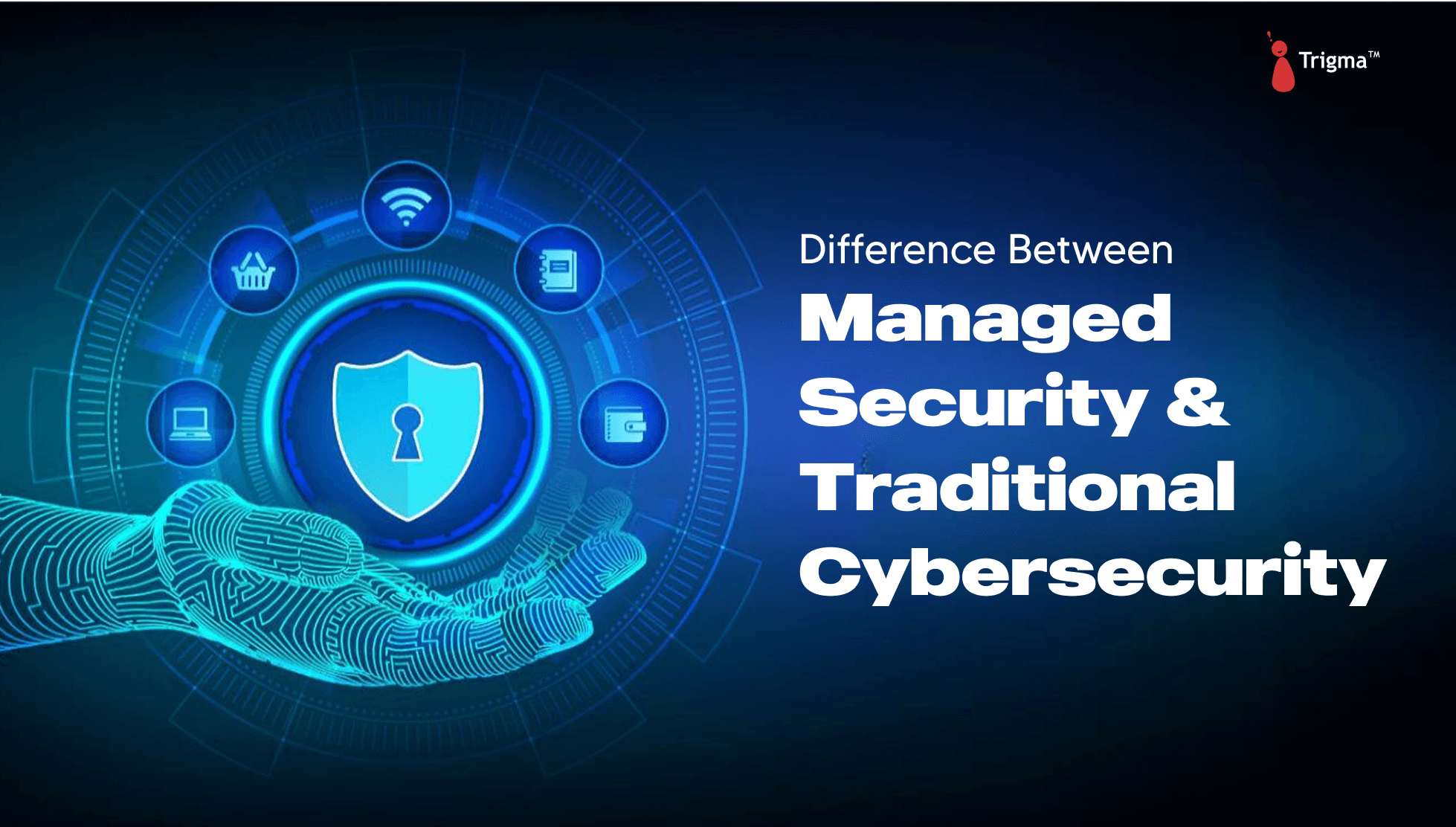
Cyberattacks are everywhere, from data breaches at big companies to viruses sneaking into your phone. Your data is always at risk, with millions of sites and apps constantly tracking your activity at every stage. Your every interaction is visible to another person, even without your approval.
To stay protected, people rely on some form of cybersecurity to secure their data from various breaches. They crucially use two ways to protect your data- traditional cybersecurity and managed security services.
Traditional cybersecurity involves the internal team handling your own protection using tools like antivirus software, firewalls, and manual updates. On the other hand, managed security puts a team of experts in charge - monitoring threats, responding in real time, and keeping your system safe 24/7.
They may be similar, but they work in different ways. In this blog, we’ll explore the key differences between managed and traditional security and how each one helps protect your data in a world full of digital threats.
What is Traditional Cybersecurity?
Traditional cybersecurity is an approach to protect your digital systems and data within the organization. It usually relies on in-house IT teams or individuals using software tools to guard against threats like viruses, malware, and hackers.
Key Features
Internal management
All cybersecurity tasks like detecting viruses, updating firewalls, or managing backups are all handled by your teams.
One-time tools
It includes software or hardware bought and installed once, with occasional updates.
Reactive response
Most actions are taken after an issue is detected, such as removing a virus or patching.
Limited monitoring
Threats are detected when someone is actively checking the system or if a tool sends an alert.
Resource intensive
It generally requires time, attention, and technical knowledge of the team, especially when cyber threats become more advanced.
Common Challenges in Traditional Cybersecurity
Below are the listed challenges businesses still face in their protection while opting for traditional cybersecurity.
1. Slow response time
It generally requires time, attention, and technical knowledge of the team, especially when cyber threats become more advanced.
2. High dependence on in-house teams
All security tasks, from monitoring to fixing issues, fall on the internal team. If they are not highly trained in cybersecurity, it might affect the whole process.
3. Limited monitoring
Traditional tools don’t offer 24/7 support. Many threats just happen outside business hours and often go undetected.
4. Manual updates
Traditional tools require manual patching and updates. If updates are missed or delayed, the system becomes more vulnerable to new threats.
Estimated Cost Required
Below is the breakdown of the overall cost required in traditional cybersecurity.
1. Upfront costs
These are usually one-time costs or annual expenses, like antivirus software, license, security hardware, and license for each device. As the team grows, they can add up quickly.
2. Maintenance or monitoring costs
This cost is required to install, manage, and monitor these tools regularly. It includes hiring IT staff, outsourcing tech support, and paying for software updates. This requires time, effort, and skill at every stage.
3. Cost of cyberattacks
The cost of fixing the damage after a cyberattack. This is a hidden danger and affects the overall cybersecurity structure.
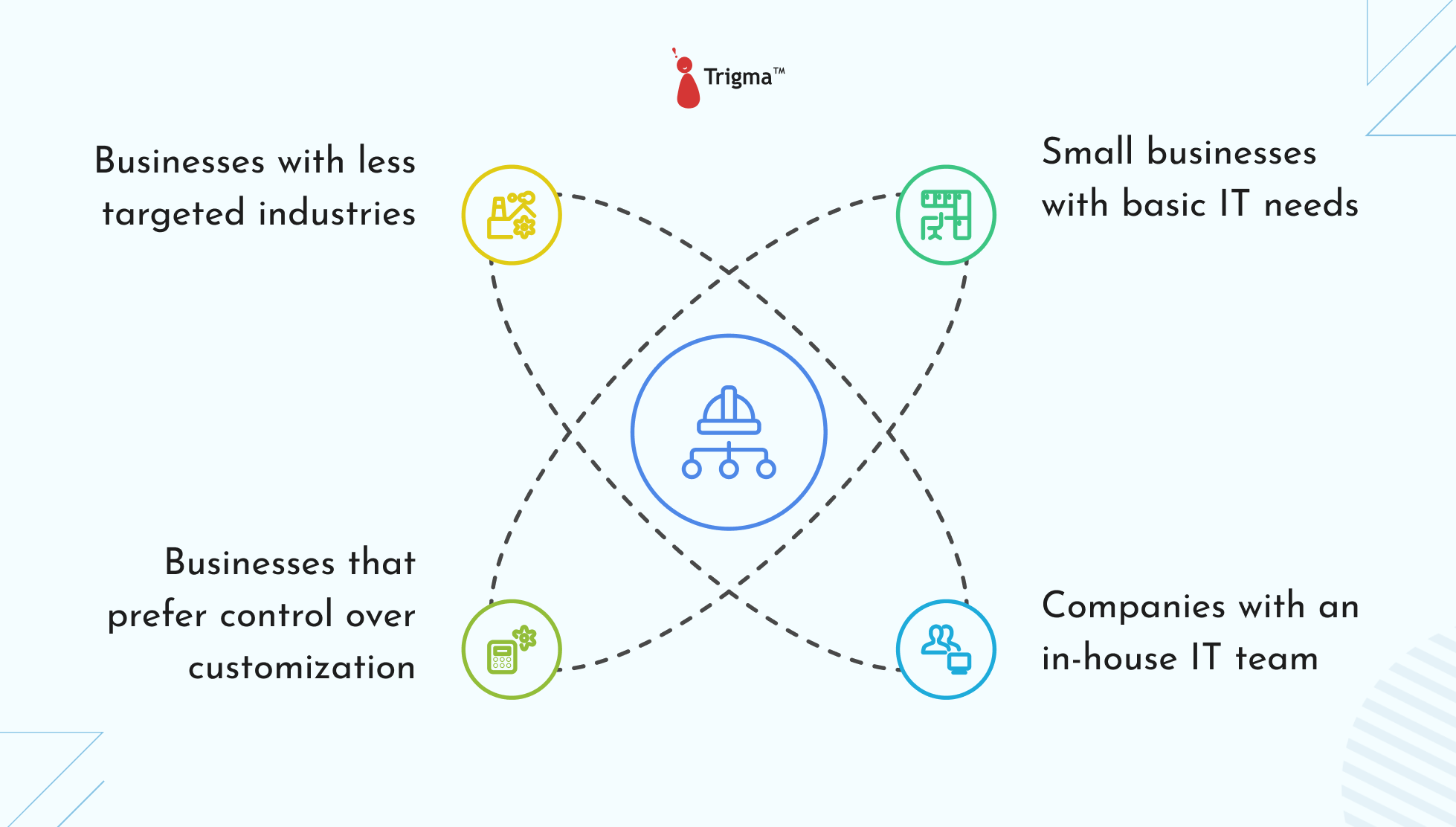
Most Suitable For
What is Managed Security?
Managed security is like having a team of cybersecurity experts watching over your systems 24/7. Instead of depending on an in-house team, companies outsource their cybersecurity needs to a third-party provider, often called a Managed Security Service Provider (MSSP).
They take care of everything from monitoring to detecting real-time issues and responding to them quickly.
Key Features
1. Real-time threat detection
When something unusual is detected, the providers immediately take action and reduce the risk of major damage.
2. Round-the-clock support
MSSP constantly tracks every activity and immediately takes action if any suspicious activity is detected.
3. Regular updates and patching
Security providers ensure all your systems and software are up to date with the latest security patches.
4. Scalable protection
Whether you’re a small business or a growing enterprise, managed security can scale with you, offering you protection that fits your business size.
Strengthen Your Cyber Defenses Today
Cyber attacks don’t wait, and neither should you!
Types of Services in Managed Security
1. Security information and event management (SIEM)
SIEM tools collect data from across your network and analyze it to detect unusual patterns or hidden threats.
2. Firewall & network security management
This includes installing and managing your firewalls that keep unwanted visitors out of the network.
3. Cloud security
Businesses use cloud storage and online tools, so keeping that data safe becomes critical. MSSP protects cloud platforms like Google Workspace, Microsoft 365, and AWS.
When do you need Managed Security?
Below is the list of situations when you need managed security.
- You have faced a cybersecurity or data breach
- Your business doesn’t have a cybersecurity expert
- Your business is growing rapidly
- You handle sensitive customer data
- You can’t monitor the system 24/7
- You want to avoid high recovery costs
In short, if your business is growing, handles valuable data, or lacks dedicated security experts, managed security is a necessity.
Traditional v/s Managed Security
| Basis | Traditional Security | Managed Security |
|---|---|---|
| Who manages it? | In-house IT team or staff | External cybersecurity experts (MSSP) |
| Monitoring | Usually during business hours | 24/7 real-time monitoring |
| Threat detection & response | Slower, depends upon internal team | Fast, automated, and expert-centric response |
| Tools used | Antivirus, firewalls, and manual updates | Advanced tools like SIEM, automated threat protection, and endpoint protection |
| Costs | Lower upfront but hidden long-term costs | Subscription-based, predictable monthly costs |
| Expertise required | Needs skilled IT staff | Handled by professionals |
Conclusion
Cybersecurity isn’t just for big companies - it’s something that every business needs to think about. Protecting your data is the main key to scaling the business. Choosing between traditional and managed security is crucial, and it depends upon your goals, resources, and how much you’re comfortable managing.
Trigma offers you end-to-end cybersecurity services, from traditional tools to fully managed protection plans. Our expert developers help you build a custom strategy that fits your needs, protect your data, and keep threats away with 24/7 monitoring.
Your Security and Privacy Matter the Most
Smart, scalable cybersecurity solutions tailored to your business needs