performance icon
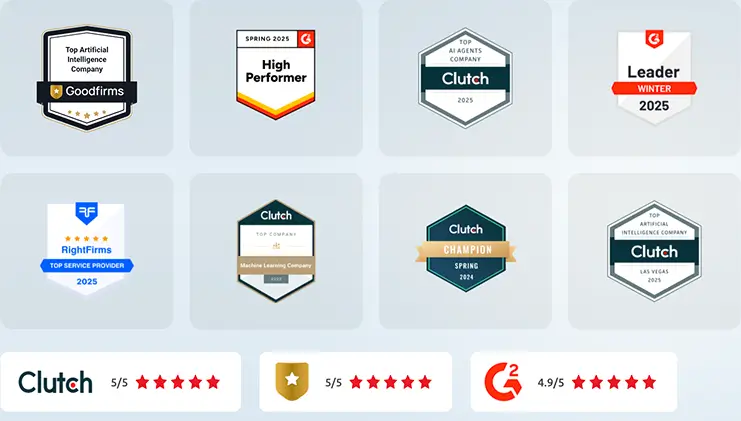
Top IT Services Company 2025 Top Software Developers 2025 Top Generative AI Company 2025 G2 High Performer Winter 2025 G2 Leader Winter 2025 AI Deployment Company 2024 Top Software Development Company in USA for 2024 Top ReactJs Company in USA for 2024
trigma-logo

Top IT Software Companies in USA 2025

In 2025, technology continues to reshape the world faster than ever before. From artificial intelligence and cloud computing to mobile apps and enterprise software, IT companies are driving this digital transformation. Among many players in the tech landscape, several US-based companies stand out for their innovation, quality, and global impact.

USA is known for its technological innovation, including NASA contributions as a symbol of dedication to scientific and technological progress. From Silicon Valley startups and industry giants, the US is already making a huge impact in the technology world.

In this listicle, we’ll explore the top IT software companies in the USA and their services. We’ll also discover the factors to consider before choosing software companies in USA.

So, let’s get started!

List of IT companies in US delivering AI solutions

Here is the list of well-researched companies providing custom-based AI solutions in the US.

1. Trigma

Trigma earned its position as the leading IT software development company in the US through a perfect blend of innovation, customer centricity, and delivering excellence.

Reasons to choose:

  • Global Capability Centres (GCC): Unique delivery hubs that allow clients to scale effortlessly with dedicated offshore teams while maintaining full control.
  • Innovation-based services: Delivering AI, ML, Cloud, IoT, and Blockchain that are future-ready.
  • Human-centred designs: Catering to high customer engagement through UI/UX.

With Trigma, you don’t just build solutions, but a smarter future.

2. Vention

Vention is known for its simplified industrial automation technologies. It works with fast-growing startups and established enterprises to deliver software that scales. With offices across the globe and a strong team of 3,000+ engineers, Vention excels in custom software, AI, DevOps, and product design.

Reasons to choose:

  • Focus on long-term tech partnerships.
  • Agile software development at scale.
  • Trusted by top brands for their innovation and custom solutions.

3. Closeloop technologies

Known for its blending of Silicon Valley innovation with global delivery, Closeloop builds custom apps, SaaS products, and AI-powered tools for startups and enterprises alike. Whether you're a startup or an established enterprise, their tailored approach provides you with solutions unique to your needs and aspirations.

Reasons to choose:

  • Transparent, agile development processes.
  • Strong focus on design thinking and MVP strategy.
  • Trusted by fintech, logistics, and healthcare clients.

4. 10 Pearls

10Pearls specializes in digital transformation with a people-first mindset. They combine strategy, UX design, and advanced engineering to build enterprise platforms and customer apps.

Reasons to choose:

  • Strong focus on impact-driven development.
  • Expertise in healthcare, education, and cybersecurity.
  • Recognized as a top workplace for tech talent.

5. Chetu

Chetu provides tailored software solutions for a wide range of industries, including retail, hospitality, and healthcare. Their industry-specific developers and broad tech stack make them a dependable outsourcing partner.

Reasons to choose:

  • Deep expertise in domain-specific solutions.
  • Dedicated development teams for full-cycle delivery.
  • High volume of enterprise implementations.

6. Intellectsoft

Intellectsoft is an enterprise-focused software development company that caters to industries across various sectors. They offer cutting-edge solutions in AI, blockchain, and augmented reality.

Reasons to choose:

  • Focused on complex, enterprise-grade systems.
  • Recognized for digital transformation in industries like insurance, healthcare, and construction.
  • Custom-based solution driven by an innovative approach.

7. BairesDev

BairesDev is known for its nearshore development model, offering U.S. clients access to top Latin American engineering talent. They provide scalable software engineering across industries.

Reasons to choose:

  • Fast team ramp-up.
  • Used by companies like Rolls-Royce and Pinterest.
  • Focused on cost-effectiveness without quality compromise.

Why does Trigma still stand out?

In the competitive market, Trigma has formed a unique identity as a go-to IT partner for businesses seeking trustworthy and reliable AI solutions.

1. Global expertise

Trigma retained a strong global presence in the US, offering world-class solutions with local client service, cultural alignment, and time zone capability.

2. Catering to diverse clients

From healthcare to retail, Trigma is known for its excellent client service. Their portfolio spans various industries and allows them to customise best-in-class solutions.

3. GCC model advantage

Through GCC, Trigma offers businesses a powerful blend of cost-effectiveness and dedicated resources, allowing companies to operate effortlessly in certain places.

4. Human-centered innovation

Trigma puts their user experience and accessibility at the top of every solution. Whether it’s a mobile app for customers or modern design for businesses, their designs are intuitive and inclusive with the human touch.

Summing Up

There are many great software companies in the U.S., but Trigma truly stands out. What makes them different is how they listen to your needs, build solutions that fit your goals, and stay with you every step of the way.

They’re not just building apps or websites — they’re helping businesses grow with smart, reliable, and modern technology.

If you're looking for a tech partner who’s easy to work with and truly gets it, Trigma is the one.

Visit Trigma to get started.

How to Implement AI in Medical Mobile App Development

Imagine a young girl trapped in a never-ending sickness. The doctors, no matter how smart they are, can't figure out what's wrong with her. Her condition became a perplexing medical puzzle—until an AI-powered app stepped in. By analyzing her medical data, the app discovered previously missed disorders. This pivotal moment led to right treatment, completely changing her life and giving her a chance at a healthier future.

AI is reshaping many industries, and healthcare is no exception. The integration of AI in healthcare has transformed service delivery, enhancing both ease and effectiveness. Healthcare mobile app development harnesses AI’s power to revolutionize patient care. Whether it's scheduling appointments, accessing medical records, managing medications, or delivering personalized experiences, an AI-driven healthcare app brings transformative benefits to healthcare institutions.

According to a Precedence Research Report, the global artificial intelligence market, valued at USD 1,070 million in 2022, is projected to reach USD 21,740 million by 2032, growing at a CAGR of 35.1%.

In this blog, we explore the implementation of AI in the medical sector and how you can integrate AI into your business medical app.

The Rise of AI in the Medical Sector

AI’s journey in healthcare began decades ago with early research and experimentation. Initially, its use was limited due to constraints in computing power and data connectivity. However, advancements in technology and the rapid growth of data have made AI a vital tool in healthcare. Here are a few key reasons for AI's increasing use in the medical sector:

Improved Accuracy

Accuracy plays a vital role in the medical sector. The integration of AI in this sector has significantly enhanced diagnostic accuracy, particularly in imaging and pathology. Advanced algorithms can detect patterns that human experts might miss, leading to earlier and more accurate diagnoses, and improving patient outcomes.

Personalized Care

AI analyzes vast amounts of patient data, including genetics, medical history, and lifestyle factors, to create highly personalized treatment plans. This approach improves treatment efficiency, reduces side effects, and enhances patient satisfaction. Generative AI can help in enhancing the quality of personalized healthcare and brighten the future of healthcare.

Cost Reduction

AI reduces operational costs by automating repetitive tasks, optimizing treatment plans, and minimizing errors. This enables healthcare institutions to allocate resources more effectively and lower healthcare costs while maintaining or improving care quality.

Remote Monitoring

The AI-powered smart wearables and health apps enable real-time monitoring of patient health, overcoming location and time constraints. Healthcare providers can track vital signs, manage chronic conditions better, and reduce the need for frequent in-person visits.

Applications of AI in the Medical Sector

The integration of AI in the medical sector is enhancing healthcare efficiency and outcomes, making medicine smarter, faster, and more accessible. Here are some key areas where AI has shown exceptional results:

Diagnostic Screening

Diagnostic Screening

The AI algorithms analyze medical images like X-rays, CT scans, MRIs, and ultrasounds with high accuracy, aiding in the early detection of diseases and ensuring timely treatment. For example, a Google Health AI system achieved a 94.5% accuracy rate in detecting breast cancer from mammograms, compared to 88% by human radiologists.

Virtual Health Assistants

Virtual Health Assistants

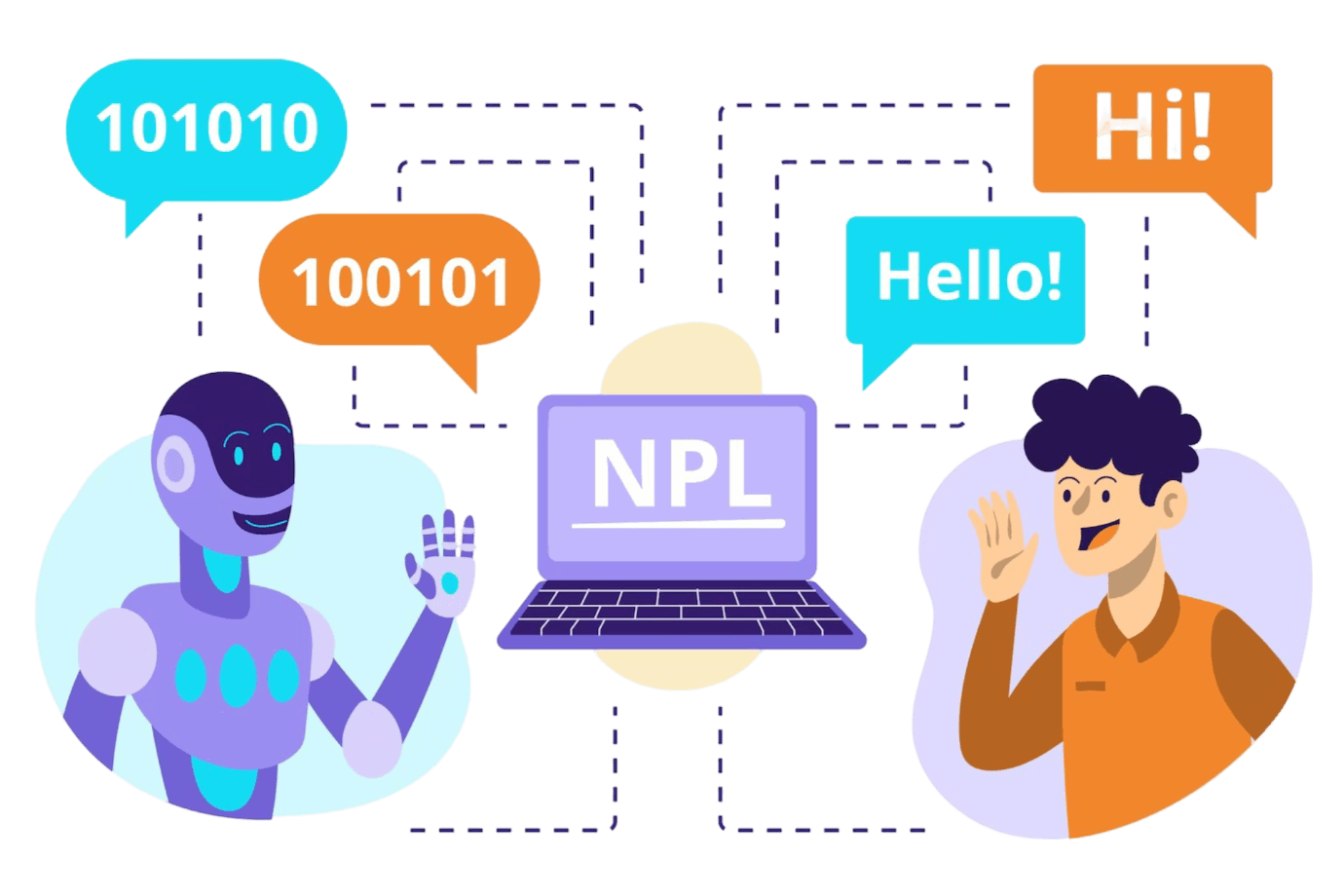
The revolutionary AI-based virtual health assistants and chatbots interact directly with patients, saving time for healthcare professionals. Using Natural Language Processing (NLP), these systems provide real-time responses to patient queries, similar to platforms like Siri and Alexa.

Predictive Analysis

Predictive Analysis

Advanced AI-based medical software simplifies the analysis of patient data to assess risks and implement preventive measures. By offering early precautions, AI reduces hospitalization risks and improves overall patient health.

Robot-Assisted Surgery

Robot-Assisted Surgery

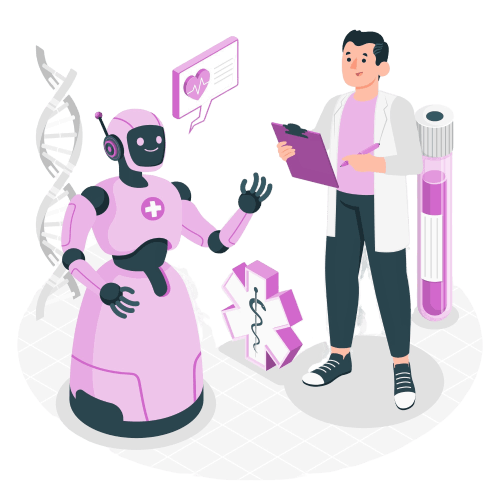
The introduction of robot-assisted surgeries has proved to be a game-changer in the medical sector. AI-powered robots assist doctors during surgeries with real-time feedback, ensuring high accuracy, reducing recovery times, and enhancing patient safety.

Interesting facts about Robot-Assisted Surgery:

The da Vinci Surgical System for instance, has performed over 6 million minimally invasive surgeries worldwide.

Robot-assisted surgeries have a 21% faster recovery time compared to traditional surgeries.

Natural Language Processing

Natural Language Processing

The powerful collaboration of AI with NLP converts unstructured notes and medical literature into actionable insights, helping medical professionals access relevant information quickly and make better decisions.

Telemedicine

Telemedicine

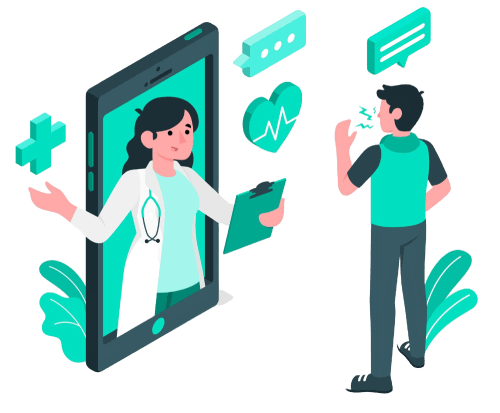
AI enhances telemedicine by improving remote diagnostics, patient monitoring, and virtual consultations. AI tools can assess patient data in real time and provide accurate recommendations, enabling doctors to deliver high-quality care from a distance. This expands healthcare access, especially for those in rural or underserved areas.

How to Implement AI in a Medical App

AI implementation is crucial for businesses in the medical sector. Here’s a step-by-step guide you can follow for effective integration:

1. Identify Use Cases/Applications

Determine where AI can be beneficial, such as patient monitoring or data analysis. Consult with medical professionals to understand market needs and select the most impactful applications.

2. Data Collection and Preparation

Gather accurate data from existing systems to train AI models. Ensure the data is clean and well-organized for optimal results.

3. Choose AI Technology

Select the appropriate AI technology stack, like NLP, deep learning, or machine learning. Platforms such as TensorFlow can be useful for building your application.

4. Develop and Train AI Models:

Create AI models tailored to your needs and train them with accurate algorithms to ensure informed predictions.

5. Integrate AI into Medical Systems:

Connect AI tools with existing medical systems and design an intuitive interface for ease of use by healthcare professionals.

6. Implement and Monitor

Deploy AI in your systems and regularly monitor performance to ensure proper functioning.

Let’s Sum Up

AI has revolutionized the healthcare industry, providing unprecedented convenience and helping healthcare businesses thrive in the digital age. AI-powered mobile health apps like Caregivers address complex challenges that are difficult to manage through human efforts alone, making them essential in modern healthcare.

Ready to integrate AI into your business? Contact us at Trigma for a free consultation and start building a successful medical app.

All You Need To Know About AI-Powered Chatbot

Imagine a world where your customers never have to wait, every question is answered instantly, and every interaction feels like it was made just for them. It feels like magic, doesn’t it? That’s the extraordinary power of AI-powered chatbots! These bots don’t simply do the job—they learn, evolve, and engage in ways surpassing expectations, setting your business ahead of your competitors.

Get ready to experience the future of customer service and discover how these intelligent, adaptive bots can transform your business into a customer experience powerhouse. Let’s dive in!

What Do You Mean By AI-Powered Chatbot?

An AI-powered chatbot is a software application designed to simulate human-like conversations with users through text or voice. Powered by artificial intelligence, particularly natural language processing (NLP) and machine learning, these chatbots are capable of understanding, interpreting, and responding to customer queries in a way that mimics human interaction. AI-powered chatbots learn and adapt over time, processing large amounts of data to deliver personalized, accurate responses, improving efficiency in solving problems, answering questions, and recommending products.

Why Your Business Need An AI-Powered Chatbot?

By now, you must have a clear understanding of what an AI-powered chatbot is. Now, let's explore why AI-powered chatbot development is essential for your business:

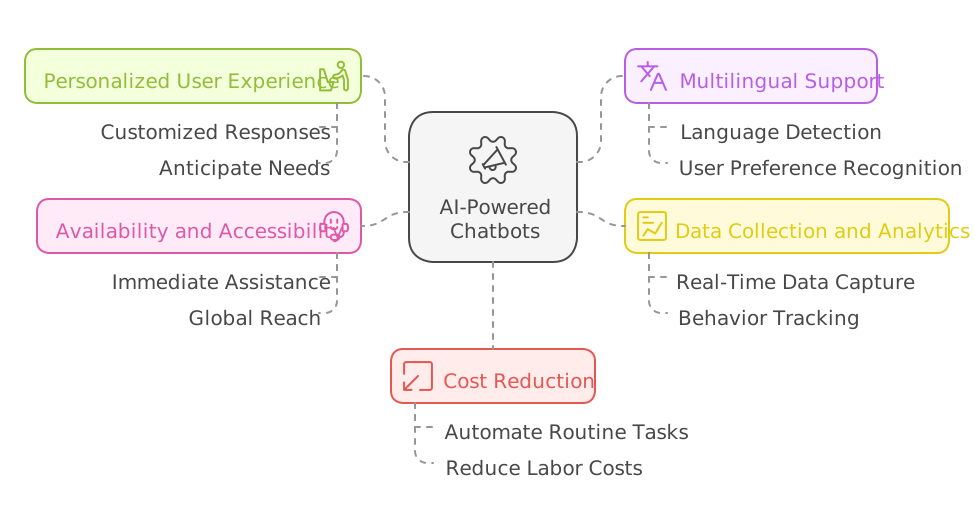
Why-Your-Business-Need-An-AI-Powered-Chatbot

1. Enables You To Deliver Personalized User Experience

AI-powered chatbots can help you create a personalized experience for each customer by learning from their unique interactions. They remember preferences, anticipate needs, and offer customized responses and recommendations, making every conversation feel tailored and relevant. Over time, your chatbot becomes more attuned to your customers, ensuring they always feel heard and valued, building stronger connections and trust.

2. Make It Easy For You To Deliver Multilingual Support

If you have a multilingual website, AI-powered chatbots make it easy to provide seamless support in all the languages you offer. They can instantly detect and respond in the user’s preferred language, ensuring a smooth and personalized experience. Whether your customers speak English, Spanish, French, or any other language, the chatbot ensures they feel understood and valued, enhancing their overall experience on your site.

3. Automates Data Collection And Analytics Task

AI-powered chatbots automate data collection and analytics tasks by capturing valuable customer interactions, preferences, and feedback in real time. They track user behavior, store insights, and provide you with detailed reports that help you understand customer needs and trends. This automation allows you to make data-driven decisions, optimize your strategies, and improve overall business performance without manual effort.

4. Increases Availability and Accessibility

AI chatbots provide 24/7 support, ensuring customers in different time zones or with varying schedules can always get help. Whether it’s early morning or late at night, your chatbot offers consistent and immediate assistance, enhancing accessibility, improving customer satisfaction, and ensuring a seamless experience around the clock.

5. Helps In Cutting Down On Unnecessary Expenses

AI-powered chatbots help cut down on unnecessary expenses by automating routine tasks like answering FAQs, processing orders, and handling basic customer queries. This reduces the need for a large customer support team, minimizing labor costs. With chatbots handling repetitive tasks, your business can allocate resources more efficiently, driving cost savings.

Exclusive Features Of AI-Powered Chatbot

AI-powered chatbots come with a range of advanced features that enhance customer interactions. Given below are some must-have features you should integrate into your AI-powered chatbot:

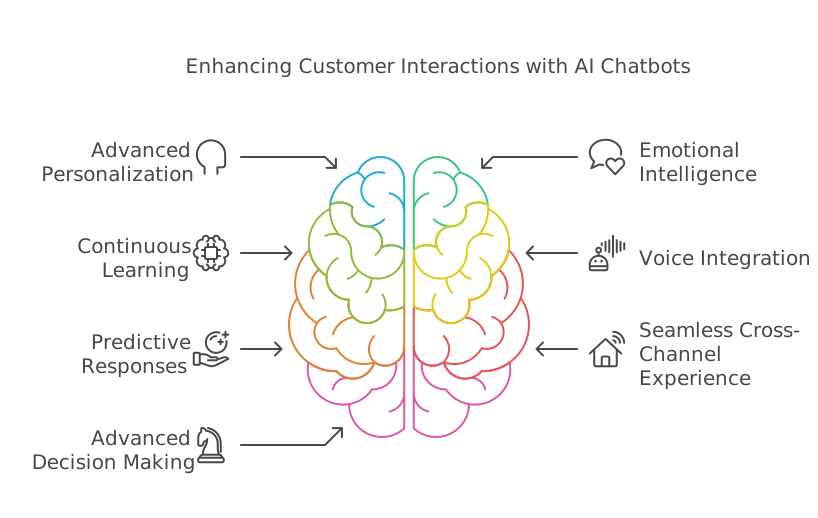
Features-Of-AI-Powered-Chatbot

1. Advanced Personalization

AI chatbots remember past interactions, preferences, and behaviors to deliver personalized responses and tailored recommendations.

2. Emotional Intelligence

AI chatbots with sentiment analysis detect emotional tones and respond with empathy, adjusting their tone accordingly.

3. Continuous Learning

Through machine learning, AI chatbots constantly improve their responses and understanding, adapting to new situations and enhancing their performance over time.

4. Voice Integration

AI chatbots integrate with voice-activated devices, allowing customers to interact through speech for a seamless, hands-free experience and enhanced accessibility.

5. Predictive Responses

AI chatbots analyze patterns and behaviors to anticipate customer needs, offering proactive suggestions or solutions even before they are asked by the customers.

6. Seamless Cross-Channel Experience

AI chatbots smoothly transition between platforms (website, social media, messaging apps), maintaining conversation context and providing a consistent experience across all channels.

7. Advanced Decision Making

AI chatbots analyze data to make intelligent decisions, guiding users with relevant insights and trends for each interaction.

Future of AI-Powered Chatbots

The future of AI-powered chatbots is exciting and full of potential. As technology advances, chatbots are becoming smarter and more intuitive, able to understand complex questions and respond in personal and natural ways. The global chatbot market, valued at $15.57 billion in 2024, is projected to grow to $46.64 billion by 2029. With this rapid growth and innovation, the future of chatbots is not only bright but also poised to redefine the way we communicate in the digital age.

Growth of Global Chatbot Market

Let’s Wrap Up

AI-powered chatbots are transforming customer interactions, offering personalized, efficient, and accessible experiences. With advanced features like natural language processing, sentiment analysis, and 24/7 support, chatbots streamline tasks, reduce costs, and enhance customer satisfaction. Their ability to provide multilingual support, learn from user interactions, and predict needs makes them invaluable for businesses looking to stay competitive. As the technology continues to evolve, AI chatbots will play a crucial role in shaping the future of customer service and business growth.

Ready to transform your customer experience?

Partner with Trigma to leverage AI-powered chatbots that deliver personalized, efficient, and 24/7 support. Let us help you enhance customer satisfaction and stay ahead in the competitive digital landscape!

FAQs

Can You Create A Custom Chatbot For My Business?

Yes, at Trigma, we specialize in creating custom AI-powered chatbots designed for your business needs. Our solutions enhance customer engagement, streamline operations, and provide personalized support to drive growth.

What Industries Can Benefit From Ai-Powered Chatbots?

AI-powered chatbots can benefit various industries, including e-commerce, healthcare, finance, education, and customer service. They enhance user experience, automate tasks, and improve efficiency across businesses of all sizes.

What Are The Benefits Of Using Ai-Powered Chatbots For My Business?

AI-powered chatbots provide 24/7 support, faster responses, and cost savings. They improve customer engagement, streamline operations, offer data insights, and scale with your business, enhancing efficiency and the overall customer experience.

What Type Of Queries Can An AI-powered chatbot Handle?

AI chatbots can help with common questions, order updates, booking appointments, product suggestions, customer support, and general info. For more complicated issues, they can pass the conversation to a human agent.

Benefits of Fleet Management System

Effective fleet management is crucial for the success of any business that relies on vehicles. Manual management increases the likelihood of errors, inefficiencies, and operational challenges. To address these issues, fleet management systems were developed, offering automated solutions to streamline operations, enhance accuracy, and improve overall fleet performance. These systems provide real-time tracking, route optimization, maintenance scheduling, and performance monitoring, ensuring businesses can manage their fleets more efficiently and effectively.

In this blog, we'll explore how a fleet management solution can transform your business, streamlining operations and driving long-term success.

Advantages Of Fleet Management System

After knowing the meaning of fleet management systems now let us move toward the benefits this revolutionary system could provide to your business:

Advantages Of Fleet Management System

1. Fuel Consumption Control

Managing fuel consumption effectively is a crucial step toward building sustainable logistics operations. Increased fuel consumption will lead to a rise in operational costs. Fleet management systems make this possible by providing real-time alerts when a vehicle, such as a truck, is about to exceed its daily mileage limit.

2. Delivery Deadline Compliance

Late consignment deliveries can impact your relationship with your customers. Fleet management systems optimize routes, track vehicles in real-time, and automate schedules to ensure timely deliveries. This helps businesses meet deadlines, avoid delays, and maintain reliability, adapting quickly to challenges for efficient and smooth operations.

3. Fleet Fraud Prevention

Fleet management solutions play a crucial role in preventing fraud by providing real-time monitoring of fuel consumption, vehicle location, and driver behavior. By detecting unusual patterns such as fuel theft, unauthorized use, or route changes, these systems help businesses take immediate action, safeguarding assets, reducing losses, and ensuring operational integrity.

4. Data-Driven Decision Making

Fleet Management Software Development provide valuable insights through real-time data collection, including vehicle performance, fuel efficiency, and driver behavior. By analyzing this data, businesses can make informed decisions to optimize operations, reduce costs, improve safety, and enhance overall fleet efficiency. This approach leads to better long-term strategies and growth.

5. Improved Vehicle Utilization

These systems optimize vehicle use by reducing idle time, streamlining routes, and ensuring efficient vehicle allocation. Real-time tracking and data analytics help managers make informed decisions on fuel, maintenance, and driver performance. This leads to cost savings, improved productivity, extended fleet longevity, and better overall fleet efficiency.

6. Better Driver Management

Managing drivers becomes easier and more efficient with the help of this innovative tool. It allows you to monitor factors like the time taken by drivers to reach their destinations, driving speed, and other key performance indicators. If discrepancies in performance are detected, you can provide targeted training to improve skills and ensure better driving habits, ultimately enhancing overall fleet performance and safety.

The Bottom Line

If you are facing challenges in fleet management, implementing a fleet tracking system can offer significant improvements. These systems provide benefits such as fuel optimization, timely deliveries, fraud prevention, and data-driven decision-making. With real-time tracking and performance insights, they help reduce costs, enhance safety, and streamline operations, ultimately boosting efficiency and supporting sustainable logistics practices.

What is GCC? Common Myths About GCCs

GCCs have quietly become a major part of multinational companies' operations. They are not just about cost savings but also about assessing top talent, driving innovation, and building strategic value from locations like India and overseas.

GCC is now a global innovation powerhouse, and brands rely on it for all their operations. As per MRFR, the GCC market size is expected to grow from 6.84 (USD Billion) in 2024 to 24.8 (USD Billion) by 20235, with a CAGR of around 12.42%.

Over the years, their role has grown far beyond just support services. Today, many GCCs are leading with innovation, building new products, and driving exceptional results for parent organisations.

Apart from all these, some common myths still persist, and it’s important to solve them. In this article, we’ll debunk the myths and look closely at GCCs.

What is GCC?

GCC stands for Global Capability Centres or Global Competency Centre. These are the offshore units or subsidiaries of multinational companies, set up in other countries like India, Eastern Europe, to provide a range of support services for the parent organisation.

Unlike outsourcing, where work is handed over to a third-party vendor, a GCC is wholly owned and operated by the parent company. The company retains full control over the quality, security and direction of work being done. They are considered the centres of innovation and excellence, offering high-value services like AI, machine learning, software development and more.

Common Myths About GCCs

Below are the listed myths that most people believe about Global Capability Centres (GCC).

1. GCCs are a temporary setup

Modern GCCs are strategic, long-term investments. Companies spend years building strong teams, developing infrastructure, and aligning their goals with GCC operations. Many GCCs have been successfully running for over a decade and continue to grow in size and operations.

They drive digital transformation and play a key role in the company’s global tech strategy. So GCCs are not temporary; they’re here to stay and evolve.

2. You need to be a multinational brand to build the GCC

You don’t need to be a corporate giant to start a GCC model. Even mid-size businesses and startups are setting their GCCs to grow and expand. The main thing here is the scaling, whether you’re managing a startup or a small-scale company. Access to specialized talent, cost efficiencies, faster product development, and global support can be the right business strategy to tap into the market.

You just need a smarter setup plan, clear goals, and the right partner to make a successful GCC.

3. They are just result-driven, not innovative

The GCC model has completely evolved over the years, and presently it’s an innovative hub for many businesses. It has played an important role in shaping the business strategy of an organisation. They don’t just follow the orders, but they’ll create a customised roadmap for the business. From product and platform innovation to customer experience transformation, they’ll help in driving the best possible results.

They’re the centres of excellence that bring leadership, innovation, and competitive advantage to the present global businesses.

4. Only tech companies have GCCs

GCCs are everywhere - from banks to retail to healthcare It spans across a wide range of activities, not just IT. From finance and insurance to retail, healthcare, pharma, manufacturing, and logistics, companies all over the world are setting up GCCs to manage operations, develop products, and lead innovation.

So any company with a global vision and operational needs can benefit from setting one up.

5. Setting up GCC is complicated and only feasible for big-budget companies

A common misconception most people believe GCC requires massive capital, a global team, and corporate business. But in reality, setting up a GCC can be a strategic and scalable move, even for mid-sized businesses and high-growth startups.

To build GCC, you need a clear business strategy and plan, and the right partners.

What You Need to Know While Setting a GCC?

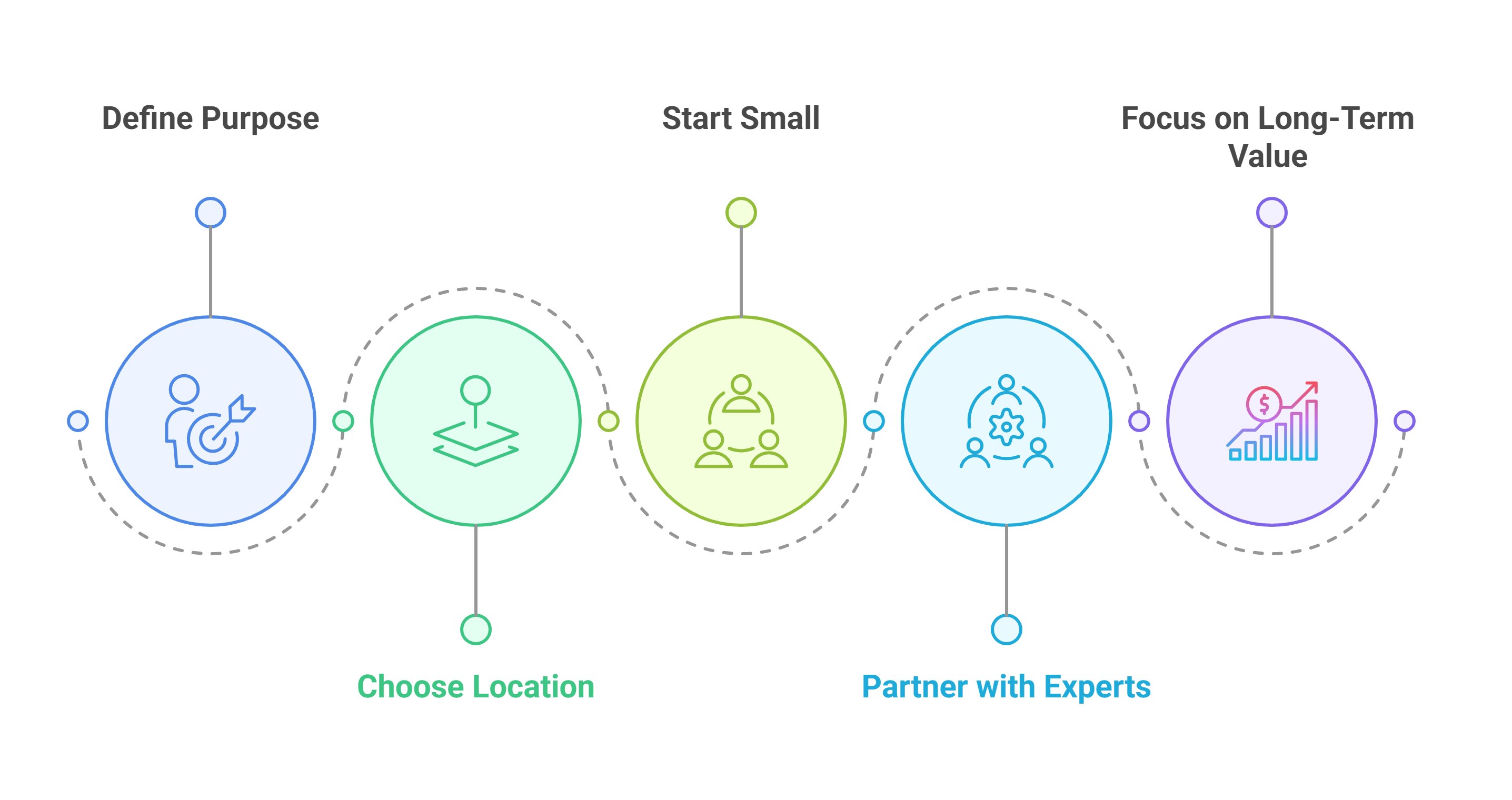
What You Need to Know While Setting a GCC

1. Define your purpose clearly

Start with why. Setting a clear objective helps shape the structure, size, and scope of your GCC.

2. Choose the right location

Select the right location, like India, and consider factors like talent availability, infrastructure, and connectivity, time zone compatibility for effective operations.

3. Start small, scale smart

Begin with a single team like data analytics, software development, or finance management, and slowly and gradually scale your operations over time.

4. Partner with Experts

Choosing the right partner can help you with legal and compliance frameworks, talent hiring, onboarding, infrastructure, and real estate.

5. Focus on long-term value, not just savings

The best GCCs don’t just save money- they create value. They bring innovation, speed up the digital process, and enhance customer experience.

Build Your Global Team with Trigma

From the first step to full-scale operations, Trigma is your trusted partner in building GCCs that deliver real impact.