+91-98558-85133
 +1(702)760-3099


As the finance sector becomes increasingly competitive, the demand for robust loan management software has surged.
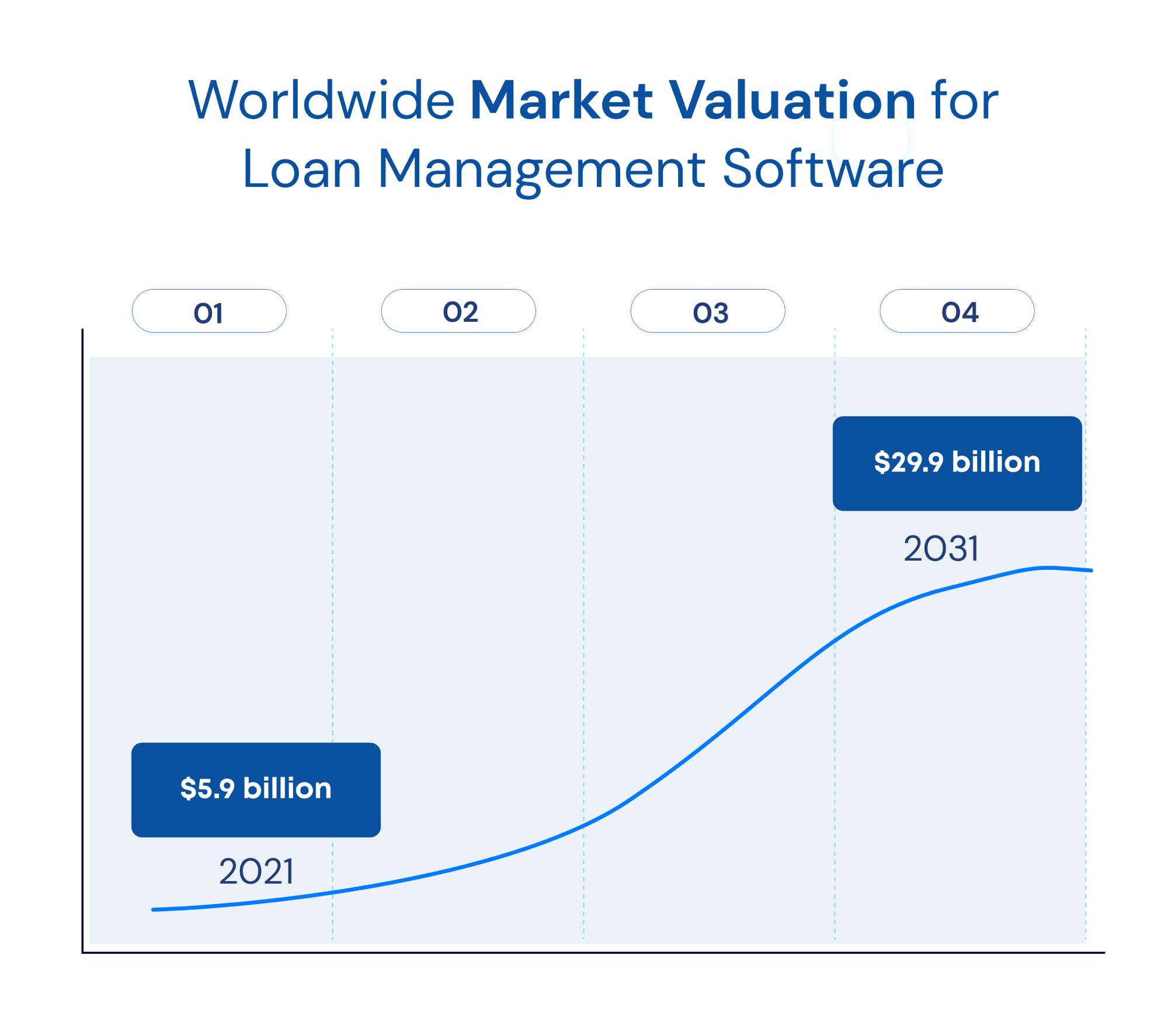
According to Allied Market Research, the global loan management software market is projected to reach $29.9 billion by 2031, growing at a CAGR of 17.8%.
Loan management software automates and streamlines the entire lifecycle of a loan, from origination to servicing. It involves designing a platform that ensures a smooth workflow for loan processing and provides digital systems to users.
Financial institutions can automate and manage their loan portfolios effectively in this rapidly advancing world, where technology is reaching new heights.
In this blog, we will discuss and understand what makes good loan management software, so you can design effective solutions for your organization.
What exactly is Loan Management Development Software?
Loan management development software is a digital system that enables lenders automate the loan handling process from the application stage to servicing. It allows financial institutions to gather and verify customer data quickly, offer new loans, manage existing ones, calculate interest, and more.
Banks and various institutions adopted this system, modernizing their operations by implementing digital technologies and automating their systems. By integrating these processes into systems enhances efficiency, accuracy, and regulations for institutions and lenders.
Key Features of a Loan Management System
1. User-Friendly Interface
Loan management software should be user friendly, ensuring that both users and staff can easily navigate the application. It should provide a comprehensive view of metrics and allow access to important information effortlessly.
2. Real-Time Analytics
The application should offer real-time insights into loan processing and servicing. These analytics enable management to make proactive and quick decisions based on current situations.
3. Regulatory Compliance
It is crucial that your application adheres to all regulatory compliance requirements to avoid any legal risks. All loan-related transactions should be conducted transparently.
4. Collateral Management
LMS facilitates real-time tracking of collateral status, ensuring an accurate view of the current portfolio. Automation simplifies the process, allowing collateral to be valued as data is entered into the system.
5. Loan Repayment Management
Digitalization automates loan repayments, including accruing interest and displaying real-time loan status. Early reminders help users stay informed about repayment schedules.
Benefits of Loan Management System
1. Smooth Workflow
A Loan Management System (LMS) helps automate tasks, reducing the need for a manual workforce. This automation enhances accuracy and minimizes the chances of human errors in the system.
2. Customer Satisfaction
In today's competitive world, customer satisfaction is a top priority for businesses. An LMS is structured to provide quick service to consumers by offering a personalized portal accessible anytime, ensuring a positive customer experience.
3. Regulate Cash Flow
A Loan Management System helps regulate cash flow by monitoring payments, calculating accrual interest rates, and sending automated reminders for due payments. Maintaining a healthy cash flow is essential for the smooth functioning of an organization's operations.
4. Ensure Security
A Loan Management System must be designed to ensure the security of consumers by protecting their personal information. Customer data is a business responsibility and should not be transferred to any third party or accessed by unauthorized staff without permission.
5. Cost-Effective
Manual loan management is challenging and resource-intensive. By automating human tasks, an LMS ensures cost savings and allows human resources to focus on more productive work. This reduces the need for extensive staffing, fostering a healthy work environment.
How To Choose The Right Loan Management Software For Your Business?
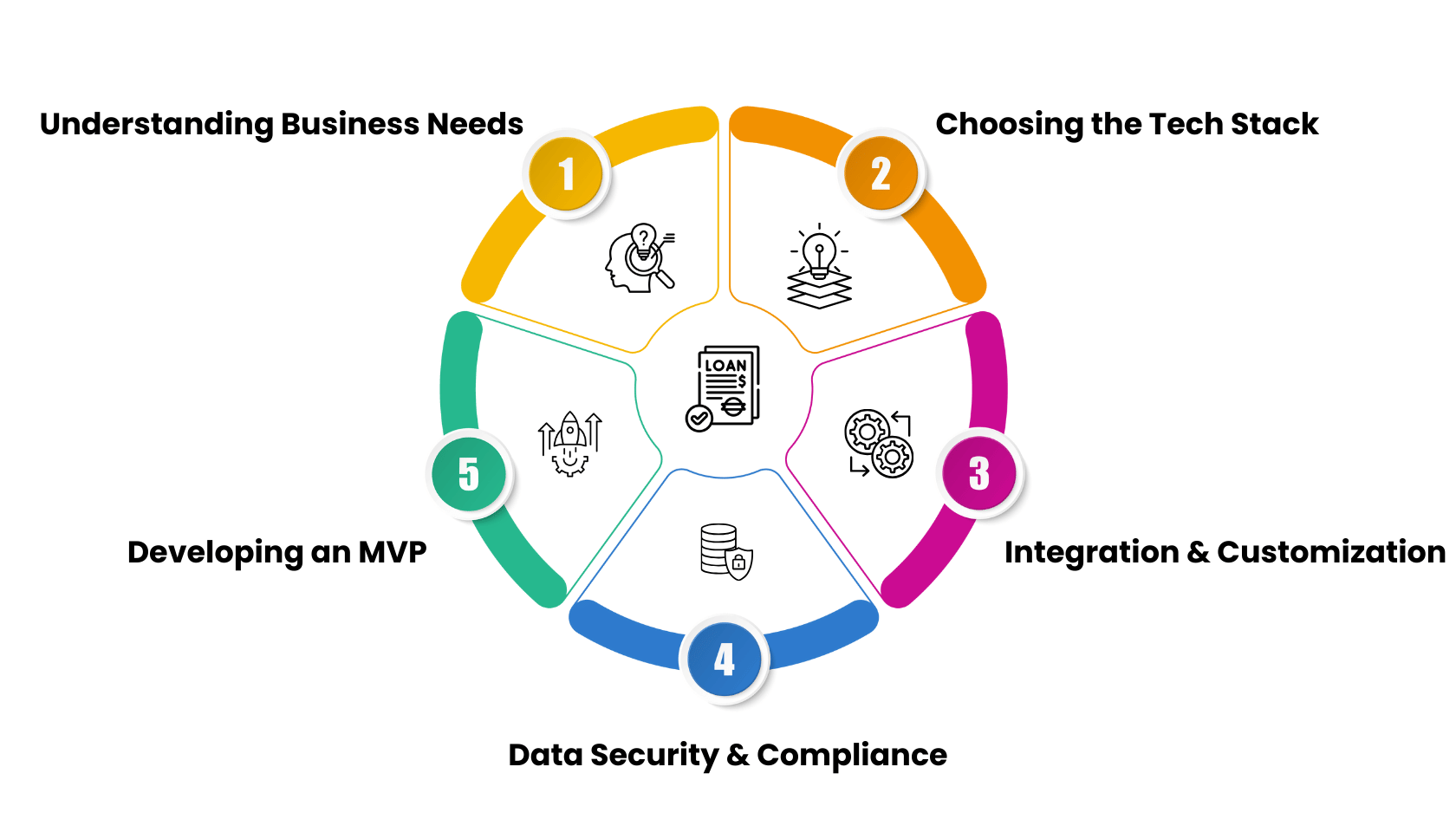
Selecting the right Loan Management System (LMS) is a crucial decision for any business. The choice depends on the size of the organization and its specific needs. Here are the key steps for choosing LMS software:
1. Understanding Business Needs
This is the most critical step in the process. Assess your business needs, including loan types, user roles, and regulatory compliance. Identify the maximum number of loans you can offer and the duration of those loans. This is the foundation for determining the features your LMS must have.
2. Choosing the Tech Stack
Select the appropriate technology for your software that ensures a good UI/UX interface. Choose designs and structures for the app that are appealing and include all the required features. The right tech stack will ensure scalability and performance.
3. Integration and Customization
Ensure your LMS can integrate with your existing systems. Check if the software offers APIs for easy integration. Customization options in the loan management system are crucial to tailor the system to specific business needs.
4. Data Security and Compliance
Your Loan Management Software should incorporate robust encryption and security measures to protect sensitive user information. Ensure the application adheres to specific compliance standards to maintain system safety.
5. Developing an MVP
Develop an MVP (Minimum Viable Product) to test the core features and functionality of your LMS. An MVP allows you to gather necessary feedback and make adjustments before a full launch. This process helps in identifying and fixing issues, ensuring the final product meets market and user expectations.
What is the Cost of Developing a Loan Management Software?
The cost of building loan management software depends on various factors, including the required features and functionality, software complexity, technology stack, and the development team's skill level and experience. Here's a general breakdown:
| Type of Loan Management Software | Development Cost |
|---|---|
| Basic Loan Management Software: | $30,000 - $60,000 |
| Mid -Level Basic Loan Management Software: | $60,000 - $150,000 |
| Advanced Loan Management Software | $150,000+ |
How can Trigma Help in Building a Successful Loan Management Software?
At Trigma, we stand at the forefront of innovation by continuously advancing our technological capabilities. As technology evolves, we aim to provide our clients with the best solutions to ensure their utmost satisfaction.
Our Offerings:
- Customized Solutions: Tailored to meet your specific business needs.
- User-Friendly Interface: Intuitive and easy to navigate for both staff and customers.
- End-to-End Support: Comprehensive assistance from implementation to ongoing maintenance.
- Cost-Effective Solutions: High-quality technology that maximizes value and reduces operational costs.
Trigma delivers highly cost-effective solutions that enhance customer satisfaction and seamlessly integrate advanced technologies into your system.