+91-98558-85133
 +1(702)760-3099

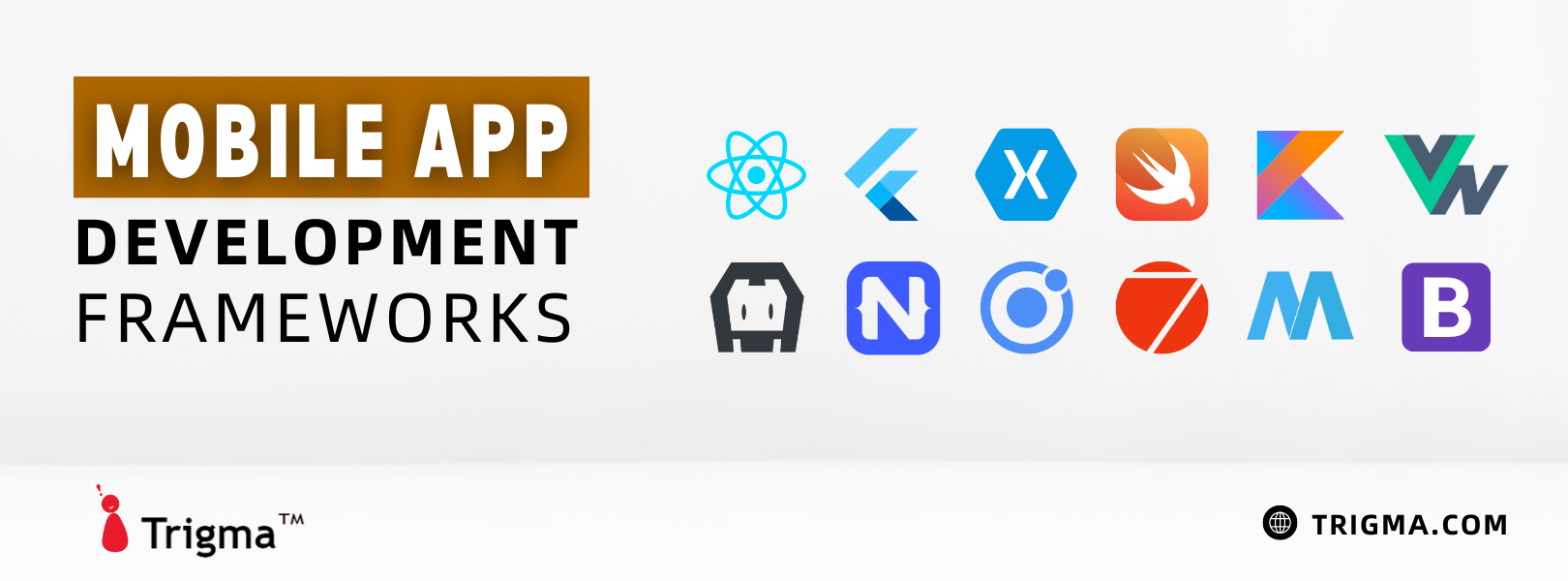
With over 6.3 billion smartphone users globally, the mobile app market is growing at a rapid pace. By 2028, this figure is expected to exceed 7.7 billion. In the fast-evolving world of mobile app development, staying ahead requires the right tools. As we are ready to dive into 2025, the demand for feature-rich, high-performance apps across platforms is stronger than ever. Whether you're a developer aiming for seamless cross-platform solutions or a business seeking efficient app creation, choosing the right framework is key.
To help you make an informed decision, we’ve curated a list of the top mobile app development frameworks that are leading the way in innovation, flexibility, and user experience in 2025. Let’s explore!
Leading Mobile App Development Frameworks Shaping the Future of Tech
There’s a wide range of mobile app development frameworks out there, each bringing its unique features, benefits, and platform support. These frameworks make the development process smoother by offering pre-built components, libraries, and tools that simplify app building. Let’s take a look at the top mobile app development frameworks that will remain on top in 2025!

React Native
React Native continues to be a go-to choice for mobile app development companies, and for good reason. Its widespread popularity has made it a favorite among many businesses for building cross-platform mobile apps. Here are some of the main reasons why React Native remains a leading player in mobile app development:
Exclusive Features of React Native
- Exceptional Performance
Comparable to native apps, especially for lightweight applications, React Native utilizes the same platform APIs as fully native apps. This ensures optimal performance and a seamless user experience across devices.
- Direct Access to Platform APIs
React Native allows seamless integration with device features, enabling the use of native rendering, platform-specific components, and APIs to enhance app functionality and ensure smooth integration.
- Cross-Platform Development
React Native allows developers to write a single codebase that works across both iOS and Android platforms, significantly reducing development time and costs.
- Easy Integration with Native Code
For performance-heavy apps, React Native can easily integrate with native code (Java, Swift, or Objective-C), allowing developers to write platform-specific modules where necessary.
Flutter
Flutter is a powerful, open-source UI toolkit developed by Google, designed for building natively compiled applications for mobile, web, and desktop from a single codebase. Its standout feature is a widget-based architecture that enables developers to create visually stunning, highly customizable applications. Flutter for cross-platform app development is widely used among businesses planning for cross-platform apps.
- Widget-Based Architecture
The Flutter app development framework revolves around a rich collection of customizable widgets. This architecture enables developers to build complex UIs with smooth animations and a highly interactive experience, all while maintaining consistency across different platforms.
- Customizable UI
Developers can extensively customize Flutter’s widgets to create unique, tailored user interfaces. This flexibility allows for high levels of design creativity and adaptability to specific app requirements, ensuring that each app stands out with its look and feel.
- Flexible Layout System
The layout system in Flutter is highly flexible, enabling the creation of complex and responsive designs with ease. It simplifies the process of adapting layouts to various screen sizes and orientations, ensuring a consistent experience across different devices.
- Scalability
Flutter apps are renowned for their impressive performance and scalability. Thanks to its efficient rendering engine, Skia, and the ability to compile directly to native code, Flutter handles complex and large-scale applications seamlessly, without compromising on speed or efficiency.
Xamarin
Xamarin is a free, open-source platform for building iOS and Android apps using .NET and C#. What makes it stand out? With its ability to share code and tap into native APIs, you get apps that feel and perform just like native ones. Plus, it’s a smart choice when you're looking for an efficient, cost-effective solution for mobile development. Xamarin allows you to create Android, iOS, and Windows apps all from one shared .NET codebase.
Unique Features of Xamarin
- Access to Native APIs
With Xamarin, developers can access native APIs for Android and iOS, providing full control over device-specific functionalities like GPS, cameras, and sensors, making apps as feature-rich and powerful as native apps.
- Seamless Integration with Visual Studio
Xamarin integrates seamlessly with Microsoft Visual Studio, offering a robust development environment with debugging, testing, and deployment tools, along with the benefits of code refactoring and shared project structures for smoother development.
- Frequent Updates and Maintenance
Backed by Microsoft, Xamarin receives regular updates, ensuring that it remains compatible with the latest platform releases for iOS and Android, and continuously improves performance, security, and functionality.
- Cross-Platform Testing Tools
Xamarin Test Cloud allows developers to test their applications across a variety of devices in the cloud. This helps ensure that the app works flawlessly on different device models and OS versions, reducing bugs and performance issues.

Swift
Swiftic is a top-notch mobile app development framework that uses Apple’s Swift programming language. It’s not just for building iOS apps; you can also use it to create apps for macOS, watchOS, and tvOS. One of its major advantages is its versatility across all of Apple’s platforms. With a shared syntax, Swiftic makes it easier to develop cross-platform apps that work seamlessly between iOS, macOS, watchOS, and tvOS.
Unique Features of Swift
- Fast and Powerful Framework
Swift is designed for speed and performance, offering fast execution times without compromising on power. Its optimized compiler translates code efficiently, making it ideal for high-performance apps.
- Dynamic Libraries
Swift supports dynamic libraries, which can be loaded into apps at runtime. This reduces the size of an app and speeds up development by allowing developers to update libraries without needing to rebuild the entire app.
- Real-Time Data Processing
Swift allows developers to integrate real-time data processing and analytics, enabling apps to track, analyze, and present data as it happens, whether it’s for user behavior, app performance, or other metrics.
- Interoperability with Objective-C
Swift can work alongside Objective-C, meaning existing projects can easily integrate Swift code. Developers can gradually transition from Objective-C to Swift without rewriting the entire codebase.

Framework7
Framework7 is an open-source mobile development framework that allows developers to build visually appealing web apps, mobile apps, and progressive web apps (PWAs) using HTML, CSS, and JavaScript. Known for its iOS and Android-like design elements, it offers a rich set of UI components like modals, popups, and navigation bars. Framework7 is easy to use, integrates well with popular frameworks like Vue.js and React, and provides seamless performance for building fast, responsive cross-platform apps.
Exclusive Features of Framework7
- Rich UI Components
It comes with a comprehensive library of UI elements such as modals, popups, side panels, and navigation bars, helping developers create visually stunning, user-friendly apps.
- Customizable Themes
Developers can customize themes specifically for iOS and Android, giving the app a unique, tailored look across platforms without compromising the user experience.
- Touch-Optimized Interactions
Framework7 includes touch-optimized features like swipe-back, pull-to-refresh, and smooth scrolling, making the user experience more interactive and intuitive.
- Cross-Platform Compatibility
Framework7 supports cross-platform development, enabling the creation of apps for iOS, Android, and web platforms from a single codebase, reducing development time and effort.
Kotlin
Kotlin, a modern programming language created by JetBrains, has quickly become a favorite for Android app development. Its growing popularity in the Android developer community comes from the many benefits it offers. Here are some key reasons why Kotlin continues to be a go-to choice for building Android apps:
Excellent Features That Make Kotlin the Best Framework
- Smart Casts
Kotlin automatically handles type casting, eliminating the need for manual casting. Once the type is checked, Kotlin performs the cast, reducing errors and making the code cleaner and easier to manage.
- Improved IDE Support
Developed by JetBrains, Kotlin has excellent integration with Android Studio and IntelliJ IDEA, offering a smooth and efficient development experience with built-in tools like debugging, refactoring, and code navigation.
- Concise Syntax
Kotlin reduces boilerplate code, making it easier to read and write. Its concise syntax enables developers to accomplish more with fewer lines of code, improving productivity and code maintainability.
- Active Community and Official Support
Kotlin has strong community support and is officially endorsed by Google for Android development, ensuring continuous updates, resources, and tools to improve the development process.

PhoneGap/Cordova
Apache Cordova, now better known as PhoneGap, is a widely used framework for mobile app development. It allows developers to create apps using their skills in HTML, CSS, and JavaScript, making it a hit with both startups and established businesses. PhoneGap bridges the gap between web and mobile by providing access to device APIs, such as cameras, sensors, and notifications. While Android typically uses Java and iOS uses Objective-C or Swift for native app development, PhoneGap allows for easy cross-platform compatibility.
Exclusive Features of PhoneGap
- Plugin Architecture
PhoneGap/Cordova has a robust plugin system that lets developers extend the framework’s functionality by adding features and accessing native APIs that aren’t available out-of-the-box.
- Single Codebase for Multiple Platforms
Developers can maintain a single codebase that works across different mobile platforms, streamlining updates and maintenance and ensuring consistency across apps.
- Rapid Prototyping
The framework’s ease of use and fast development cycle make it ideal for rapid prototyping, allowing developers to build and test app ideas quickly.

NativeScript
NativeScript is a versatile open-source framework that makes building mobile apps for iOS and Android straightforward. It lets developers use their JavaScript (or TypeScript) and CSS skills to create fully native mobile applications, eliminating the need to dive into platform-specific languages or tools.
Amazing Features of NativeScript You Must Know
- Live Sync
NativeScript’s Live Sync feature allows developers to see changes in real time as they code, speeding up the development process and making testing and refining apps easier.
- Support for Modern JavaScript Features
NativeScript supports the latest JavaScript (ES6+) and TypeScript features, allowing developers to write modern, clean, and maintainable code.
- Framework Compatibility
By using NativeScript, you can seamlessly integrate popular frameworks like Angular and Vue.js for a streamlined development workflow.
- Dynamic Module Loading
NativeScript supports dynamic module loading, allowing you to load parts of your application on demand. This can improve performance and reduce initial load times by loading only the necessary code.
Vue Native
Vue Native is a framework that brings the simplicity and power of Vue.js to mobile app development. It allows developers to build native iOS and Android apps using familiar Vue.js syntax and concepts, providing a seamless transition from web to mobile. With Vue Native, you get access to a wide range of mobile UI components, enhanced performance, and the ability to share code across platforms, all while leveraging Vue’s reactive data binding and component-based architecture.
Unique Features That Make Vue Native the Best Choice for You
- Rich Set of Mobile Components
Vue Native provides a comprehensive library of mobile UI components tailored for iOS and Android, making it easier to design and implement native-like interfaces.
- Performance Optimization
Vue Native is designed with performance in mind, offering efficient rendering and smooth animations to ensure a responsive and fluid user experience on mobile devices.
- Flexible Styling Options
It supports a variety of styling methods, including inline styles and external style sheets, giving developers flexibility in how they design and customize their app’s appearance.
- Cross-Platform Code Sharing
Vue Native enables the use of a single codebase to create apps for both iOS and Android, streamlining development and maintenance while ensuring consistency across platforms.

Ionic
Ionic stands out as a leading mobile app development platform, perfect for anyone wanting an easy path to build apps for multiple platforms. This widely-used hybrid framework uses familiar web technologies like HTML, CSS, and JavaScript, making it a smooth transition for web developers looking to dive into mobile app development. If you’re aiming for efficiency and simplicity in creating cross-platform apps, Ionic is the way to go.
Amazing Features of Ionic
- Powerful CLI Tools
The Ionic Command Line Interface (CLI) provides powerful tools for creating, building, and deploying apps. It streamlines the development process with commands for generating components, running tests, and more.
- PWA Support
Ionic supports Progressive Web Apps (PWAs), allowing you to create apps that work offline and provide a native-like experience while being accessible through web browsers.
- Live Reloading
Ionic’s live reloading feature allows developers to see changes in real time as they code, speeding up the development process and making testing and refining apps easier.
- Cordova and Capacitor Integration
Ionic integrates seamlessly with Apache Cordova and Capacitor, enabling access to native device features and APIs such as cameras, geolocation, and notifications.
Bootstrap
Bootstrap is a widely used framework that simplifies the creation of responsive, mobile-friendly websites. It’s free to use and easy to install. As a front-end toolkit, Bootstrap provides design templates for elements like typography, buttons, tables, forms, and navigation, all built with HTML and CSS. Plus, it includes JavaScript plugins for added functionality. Whether you’re looking to speed up your web development process or build a responsive website design, Bootstrap has got you covered.
Amazing Features of Bootstrap
- Responsive Grid System
Bootstrap’s flexible grid system adjusts your website’s layout to different screen sizes and devices, ensuring a consistent and user-friendly experience across desktops, tablets, and smartphones.
- Cross-Browser Compatibility
Bootstrap ensures that your website looks and works consistently across all major browsers, including Chrome, Firefox, Safari, and Edge, reducing the need for extensive browser-specific adjustments.
- Extensive Documentation and Community Support
The framework boasts comprehensive documentation and a large, active community, offering plenty of resources, tutorials, and support to help you troubleshoot issues and make the most of Bootstrap’s features.
- Flexbox and Utility Classes
Bootstrap incorporates Flexbox for advanced layout control and provides a range of utility classes for spacing, alignment, and sizing, making it easier to create complex layouts with minimal CSS.

Mobile Angular UI
Mobile Angular UI is a framework designed for building mobile-first web applications using AngularJS. It provides a set of mobile-optimized UI components and directives that enhance the user experience on touch devices. With features like responsive layouts, touch gestures, and pre-styled elements, Mobile Angular UI simplifies the development of modern, interactive web apps. It combines AngularJS’s power with mobile-friendly design, ensuring smooth performance and an intuitive user interface.
Unique Features of Mobile Angular UI
- Pre-Styled UI Elements
It provides a range of pre-styled, mobile-first components like sidebars, navbars, and models, allowing for rapid development and a polished look without extensive custom styling.
- Easy Integration with Existing Projects
The framework is designed to be easily integrated into existing AngularJS projects, allowing developers to enhance their apps with mobile-optimized features without a complete overhaul.
Summing Up
Mobile app development frameworks bring many advantages, such as building apps for multiple platforms from a single codebase, speeding up development, and saving costs. Yet, they also present some challenges, like potential performance issues, limited access to native features, and design constraints.
Choosing between a framework and native development depends on your project's needs, available resources, and the user experience you want to deliver. It is very important to pick the best tech stack for mobile app success. To make the best decision for your business, reach out to our mobile app development team. We’d be happy to discuss your project and share what our clients have to say about their experiences with us.
Ready to grow, but need more clarity?
Talk to our expert consultants and take the next step in your business journey with us today!