+91-98558-85133
 +1(702)760-3099

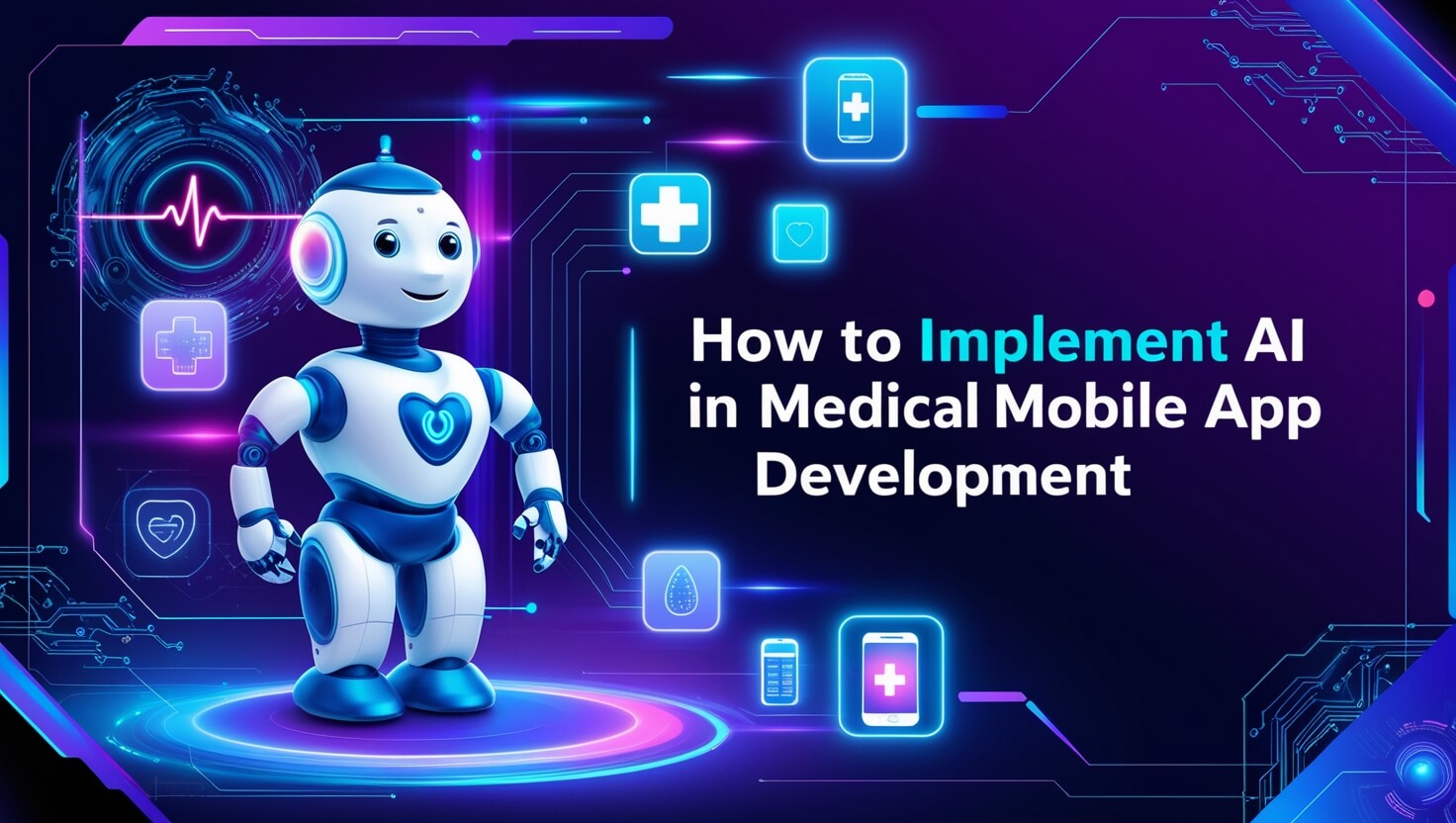
Imagine a young girl trapped in a never-ending sickness. The doctors, no matter how smart they are, can't figure out what's wrong with her. Her condition became a perplexing medical puzzle—until an AI-powered app stepped in. By analyzing her medical data, the app discovered previously missed disorders. This pivotal moment led to right treatment, completely changing her life and giving her a chance at a healthier future.
AI is reshaping many industries, and healthcare is no exception. The integration of AI in healthcare has transformed service delivery, enhancing both ease and effectiveness. Healthcare mobile app development harnesses AI’s power to revolutionize patient care. Whether it's scheduling appointments, accessing medical records, managing medications, or delivering personalized experiences, an AI-driven healthcare app brings transformative benefits to healthcare institutions.
According to a Precedence Research Report, the global artificial intelligence market, valued at USD 1,070 million in 2022, is projected to reach USD 21,740 million by 2032, growing at a CAGR of 35.1%.
In this blog, we explore the implementation of AI in the medical sector and how you can integrate AI into your business medical app.
The Rise of AI in the Medical Sector
AI’s journey in healthcare began decades ago with early research and experimentation. Initially, its use was limited due to constraints in computing power and data connectivity. However, advancements in technology and the rapid growth of data have made AI a vital tool in healthcare. Here are a few key reasons for AI's increasing use in the medical sector:
Improved Accuracy
Accuracy plays a vital role in the medical sector. The integration of AI in this sector has significantly enhanced diagnostic accuracy, particularly in imaging and pathology. Advanced algorithms can detect patterns that human experts might miss, leading to earlier and more accurate diagnoses, and improving patient outcomes.
Personalized Care
AI analyzes vast amounts of patient data, including genetics, medical history, and lifestyle factors, to create highly personalized treatment plans. This approach improves treatment efficiency, reduces side effects, and enhances patient satisfaction. Generative AI can help in enhancing the quality of personalized healthcare and brighten the future of healthcare.
Cost Reduction
AI reduces operational costs by automating repetitive tasks, optimizing treatment plans, and minimizing errors. This enables healthcare institutions to allocate resources more effectively and lower healthcare costs while maintaining or improving care quality.
Remote Monitoring
The AI-powered smart wearables and health apps enable real-time monitoring of patient health, overcoming location and time constraints. Healthcare providers can track vital signs, manage chronic conditions better, and reduce the need for frequent in-person visits.
Applications of AI in the Medical Sector
The integration of AI in the medical sector is enhancing healthcare efficiency and outcomes, making medicine smarter, faster, and more accessible. Here are some key areas where AI has shown exceptional results:

Diagnostic Screening
The AI algorithms analyze medical images like X-rays, CT scans, MRIs, and ultrasounds with high accuracy, aiding in the early detection of diseases and ensuring timely treatment. For example, a Google Health AI system achieved a 94.5% accuracy rate in detecting breast cancer from mammograms, compared to 88% by human radiologists.
Virtual Health Assistants
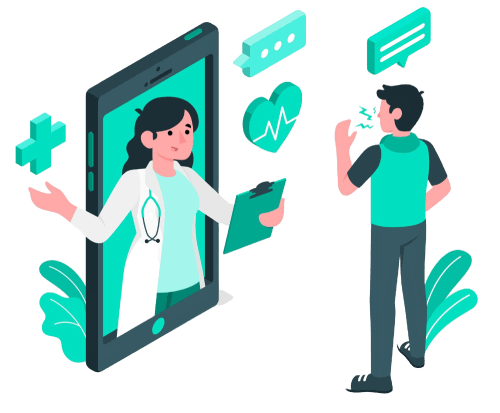
The revolutionary AI-based virtual health assistants and chatbots interact directly with patients, saving time for healthcare professionals. Using Natural Language Processing (NLP), these systems provide real-time responses to patient queries, similar to platforms like Siri and Alexa.
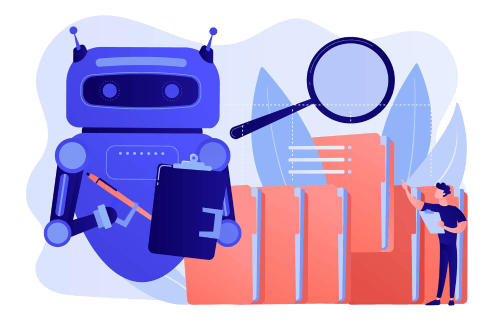
Predictive Analysis
Advanced AI-based medical software simplifies the analysis of patient data to assess risks and implement preventive measures. By offering early precautions, AI reduces hospitalization risks and improves overall patient health.
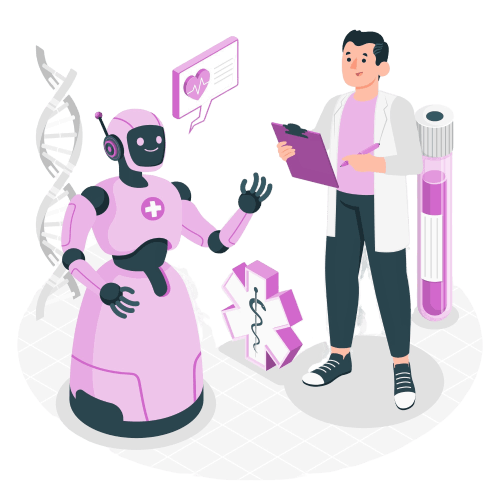
Robot-Assisted Surgery
The introduction of robot-assisted surgeries has proved to be a game-changer in the medical sector. AI-powered robots assist doctors during surgeries with real-time feedback, ensuring high accuracy, reducing recovery times, and enhancing patient safety.
Interesting facts about Robot-Assisted Surgery:
The da Vinci Surgical System for instance, has performed over 6 million minimally invasive surgeries worldwide.
Robot-assisted surgeries have a 21% faster recovery time compared to traditional surgeries.
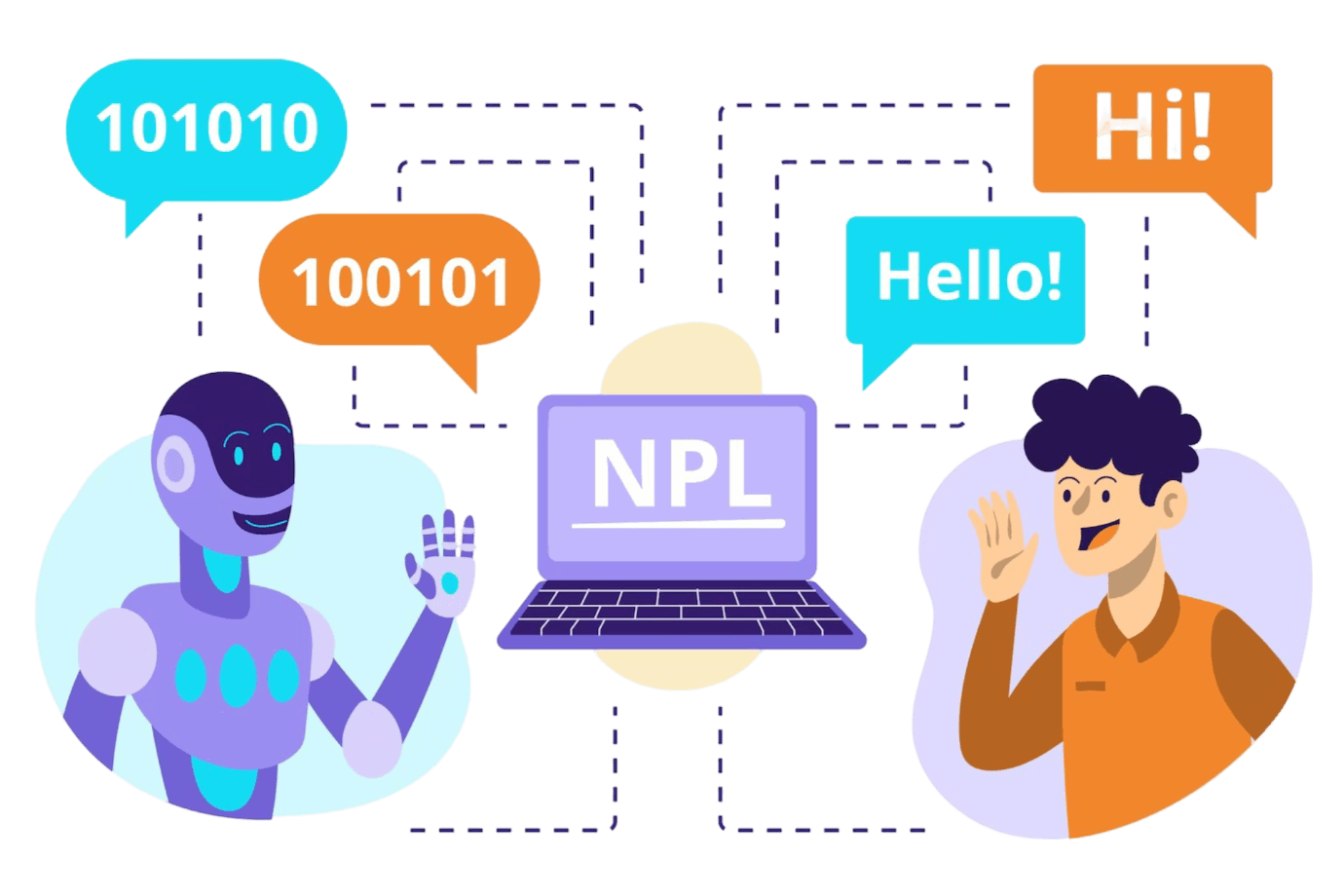
Natural Language Processing
The powerful collaboration of AI with NLP converts unstructured notes and medical literature into actionable insights, helping medical professionals access relevant information quickly and make better decisions.
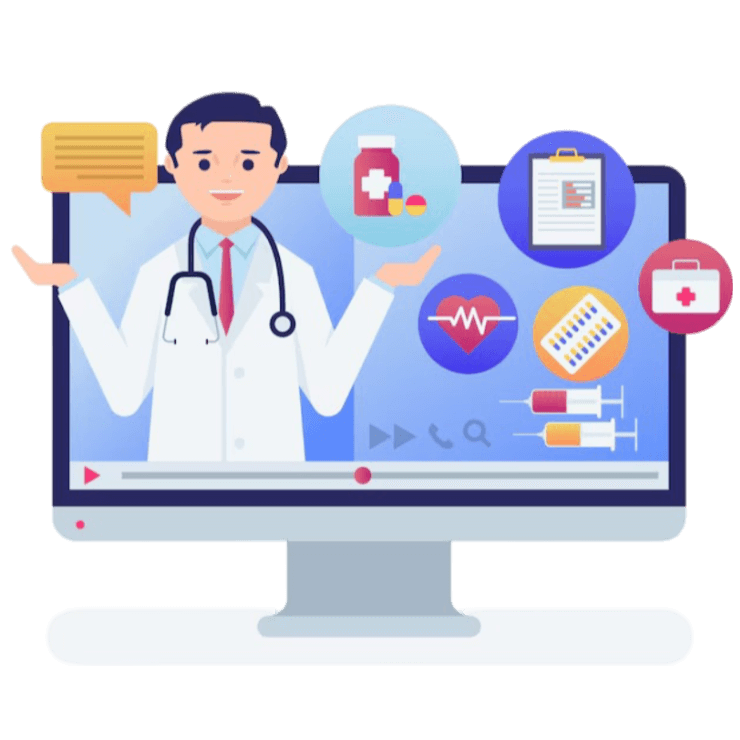
Telemedicine
AI enhances telemedicine by improving remote diagnostics, patient monitoring, and virtual consultations. AI tools can assess patient data in real time and provide accurate recommendations, enabling doctors to deliver high-quality care from a distance. This expands healthcare access, especially for those in rural or underserved areas.
How to Implement AI in a Medical App
AI implementation is crucial for businesses in the medical sector. Here’s a step-by-step guide you can follow for effective integration:
1. Identify Use Cases/Applications
Determine where AI can be beneficial, such as patient monitoring or data analysis. Consult with medical professionals to understand market needs and select the most impactful applications.
2. Data Collection and Preparation
Gather accurate data from existing systems to train AI models. Ensure the data is clean and well-organized for optimal results.
3. Choose AI Technology
Select the appropriate AI technology stack, like NLP, deep learning, or machine learning. Platforms such as TensorFlow can be useful for building your application.
4. Develop and Train AI Models:
Create AI models tailored to your needs and train them with accurate algorithms to ensure informed predictions.
5. Integrate AI into Medical Systems:
Connect AI tools with existing medical systems and design an intuitive interface for ease of use by healthcare professionals.
6. Implement and Monitor
Deploy AI in your systems and regularly monitor performance to ensure proper functioning.
Let’s Sum Up
AI has revolutionized the healthcare industry, providing unprecedented convenience and helping healthcare businesses thrive in the digital age. AI-powered mobile health apps like Caregivers address complex challenges that are difficult to manage through human efforts alone, making them essential in modern healthcare.
Ready to integrate AI into your business? Contact us at Trigma for a free consultation and start building a successful medical app.