+91-98558-85133
 +1(702)760-3099

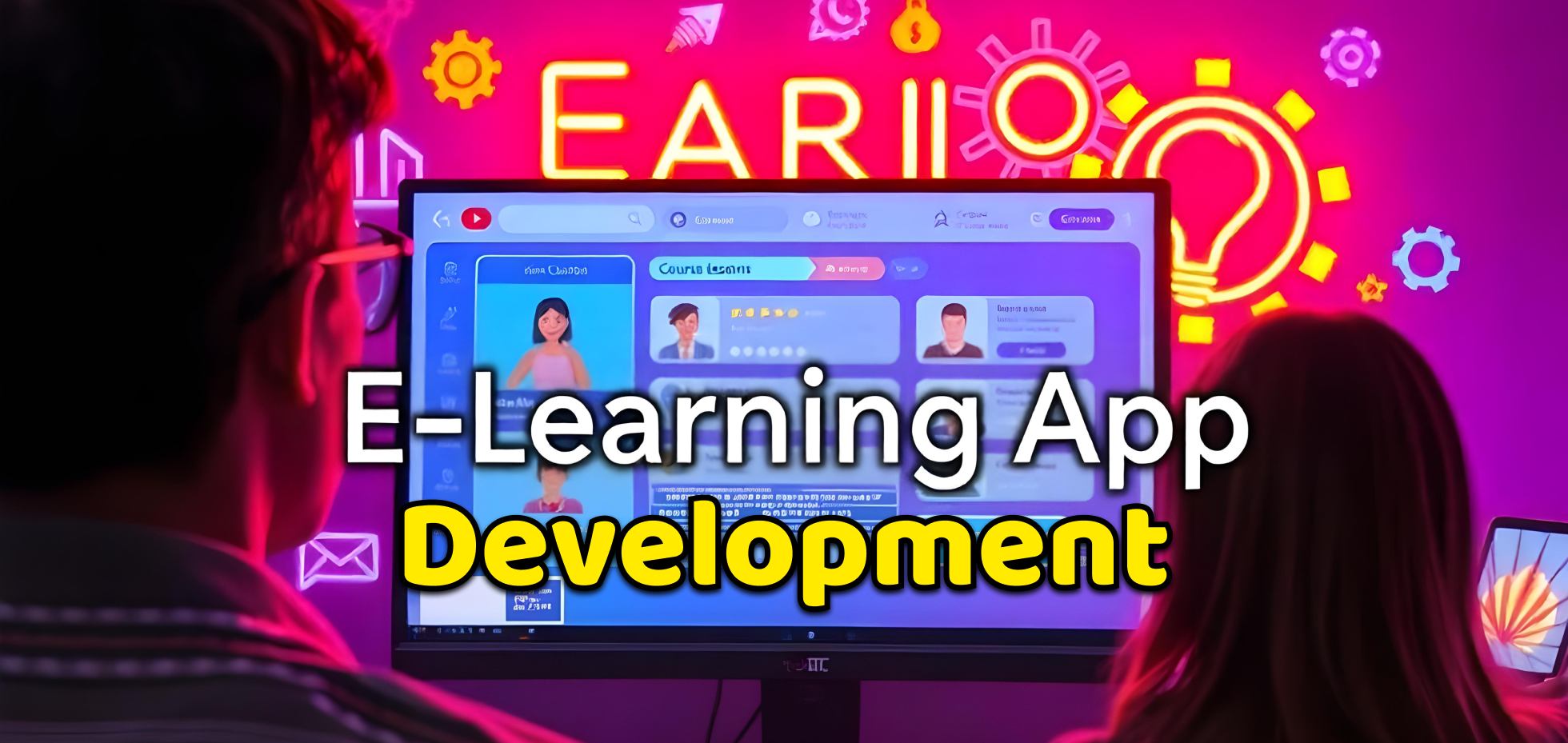
The world of learning has gone digital. Education has shifted from traditional classrooms to flexible, online platforms, offering learners the freedom to access knowledge anytime, anywhere. Apps like Skillshare have transformed the way learners acquire new skills, making learning more accessible than ever. These platforms empower individuals to learn at their own pace, from any location, with expert instructors guiding them along the way.
The online learning platforms market is growing at a very fast pace. According to Statista, The online learning platforms market is projected to grow significantly, with a compound annual growth rate (CAGR) of 5.26% from 2024 to 2029. By 2029, the market volume is expected to reach $75.52 billion, with approximately 1 billion users globally.
If you’ve ever thought about building an e-learning app, now is the perfect time to tap into the rapidly growing education industry. But where do you start? What features will set your app apart, and cost to build an e-learning app? This blog will answer all those questions and kickstart your app development process.
Must-Have Features for Building an E-Learning App Like Skillshare
Are you planning to undertake E-learning app development like Skillshare but unsure about which features can enhance user experience and make your app stand out? Below are some must-have features you should integrate into your platform:
Course Catalog
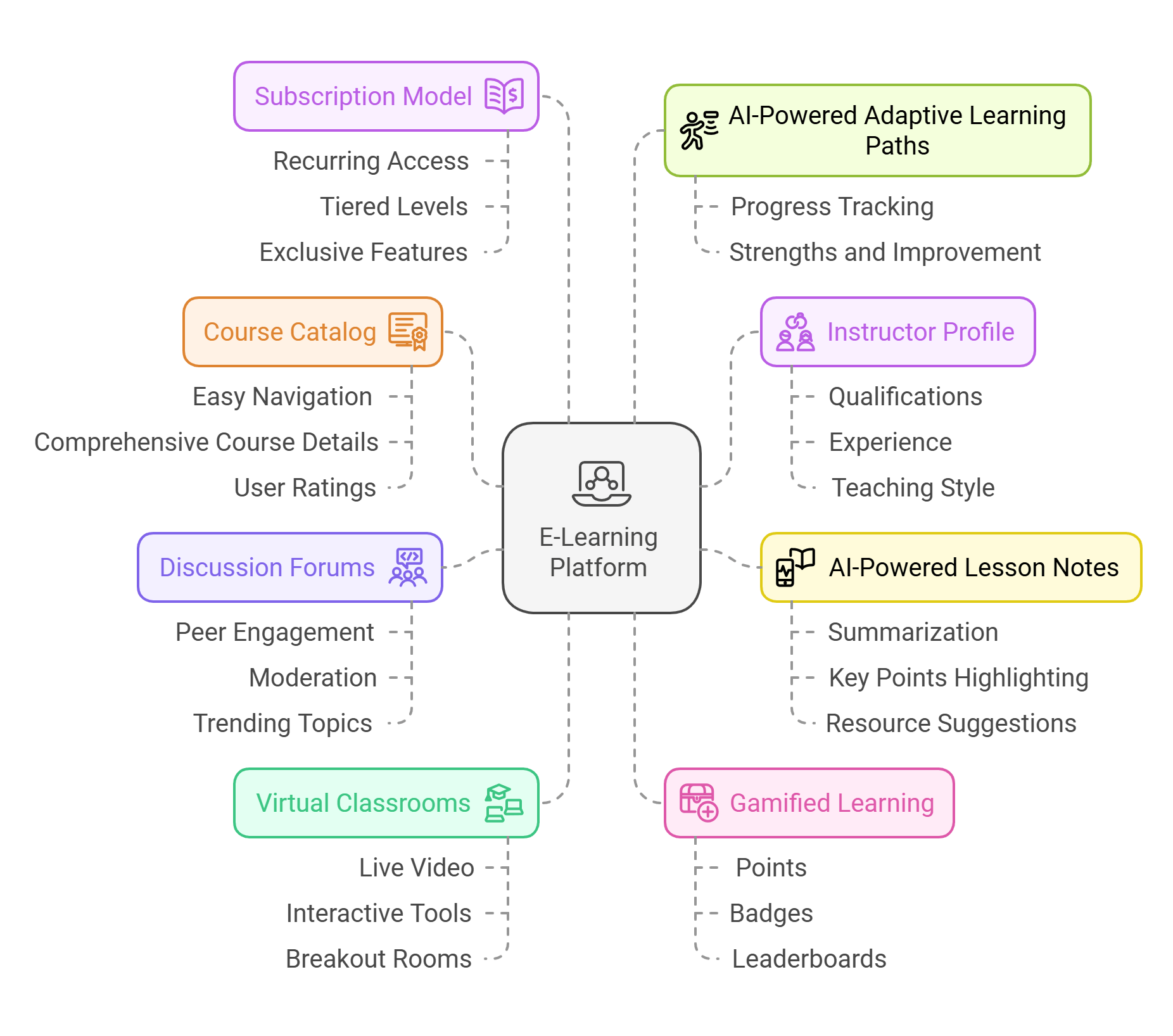
A well-organized course catalog is essential for an e-learning platform. It should offer easy navigation, comprehensive course details, clear categories, and user ratings, allowing learners to easily explore and select courses that best match their learning goals.
Instructor Profile
An instructor profile feature enhances trust and engagement. It should showcase the instructor’s qualifications, experience, teaching style, and ratings, giving learners confidence in their expertise. This personalized profile helps users connect with instructors and choose courses wisely.
AI-Powered Lesson Notes
AI-driven lesson notes automatically summarize content, highlight key points, and suggest personalized resources based on learning patterns. This feature helps students retain information more effectively, organizes notes for easy review, and offers personalized study recommendations.
Discussion Forums and Groups
The interactive discussion forums and groups allow learners to engage with peers, ask questions, and exchange ideas. AI can enhance these features by moderating conversations, highlighting trending topics, and recommending relevant discussions, fostering a collaborative and supportive learning community.
Virtual Classrooms
A Virtual Classroom in e-learning solution fosters real-time discussions, creating a collaborative and supportive environment like traditional classrooms. With live video, interactive tools, breakout rooms, resource sharing, and recordings, it ensures flexible, engaging, and accessible learning for all.
AI-Powered Adaptive Learning Paths
AI-driven adaptive learning paths adjust content based on learners' progress, strengths, and areas for improvement. This personalized approach ensures users receive customized lessons, optimizing their learning experience and helping them achieve goals more effectively.
Gamified Learning
Incorporating gamification elements like points, badges, and leaderboards enhances engagement. It turns learning into a fun challenge, motivating students to complete tasks, track progress, and compete, boosting retention and continued learning.
Subscription Model
A subscription model provides users with recurring access to premium content for a fixed fee. It can be tiered, offering various levels of access and exclusive features. This model ensures consistent revenue, encourages long-term user commitment, and provides flexibility in content consumption.
Cost of Developing e-learning apps like Skillshare
After knowing about the features that can make the app user-friendly and unique, you must be wondering about its development cost. The cost of developing an e-learning app is not fixed it depends upon various factors such as features, complexity, tech stack used and much more. However, we can give you a rough idea of the development cost in the table:
| App Type | Cost Estimate |
|---|---|
| Simple App with basic features | $10-$20k |
| Moderate App with interactive features | $30-$40k |
| Complex app with advanced features | $50-$100k |
This is just a rough estimate of the e-learning solution development cost. The final cost will depend on the specific features, complexity, and platform requirements you choose for your app.
Factors Affecting E-Learning Apps Like Skillshare Development Cost
The cost of Online learning platform development depends on various factors that directly or indirectly influence the overall development expenses. Here are the key factors:
App Features And Functionalities
The features and functionalities of an e-learning app significantly influence development costs. Advanced features like virtual classrooms, gamification, AI-based personalization, and discussion forums add complexity, requiring more time, expertise, and resources, ultimately increasing the overall development expense.
Tech Stack
The tech stack significantly influences e-learning solution development costs. Front-end technologies like React or Angular ensure a responsive UI, while back-end frameworks like Node.js or Django handle server-side logic. Databases like MySQL or MongoDB manage data. Integrating advanced features such as AI and real-time communication tools adds complexity, increasing costs.
Platform Choice
The platform choice affects e-learning solution development costs. Developing for a single platform (web, iOS, or Android) is more affordable, while cross-platform solutions like React Native or Flutter reduce costs with a unified codebase. Native development for separate platforms increases expenses due to multiple codebases and specialized teams.
Third-Party Integrations
Integrating third-party services like payment gateways, video conferencing tools, or external APIs adds complexity and cost to e-learning platform development. These integrations require extra development time, testing, and maintenance to ensure compatibility, security, and smooth functionality, potentially increasing both initial costs and long-term expenses.
Security and Compliance
Security and compliance impact e-learning platform development costs by requiring additional measures such as encryption, secure logins, and data protection. Compliance with regulations like GDPR and HIPAA involves legal expertise, coding, and ongoing maintenance, increasing both development and long-term costs.
Conclusion
The cost estimates for developing an e-learning platform outlined above will help you plan and manage your app development process efficiently, ensuring you avoid unexpected hurdles and make informed decisions regarding features, tech stack, integrations, and security while staying within your budget. To make the process more streamlined and efficient, it's essential to choose an experienced EdTech app development team. Their expertise will help ensure the platform is built with the right technology, functionality, and compliance, saving time and costs while delivering a high-quality, scalable solution.
Willing to make your business shine in the dynamic education industry?
Get a feature-rich and innovative online learning app designed by our development experts at Trigma. Join the edtech revolution and offer a seamless, engaging learning experience to your users.