+91-98558-85133
 +1(702)760-3099

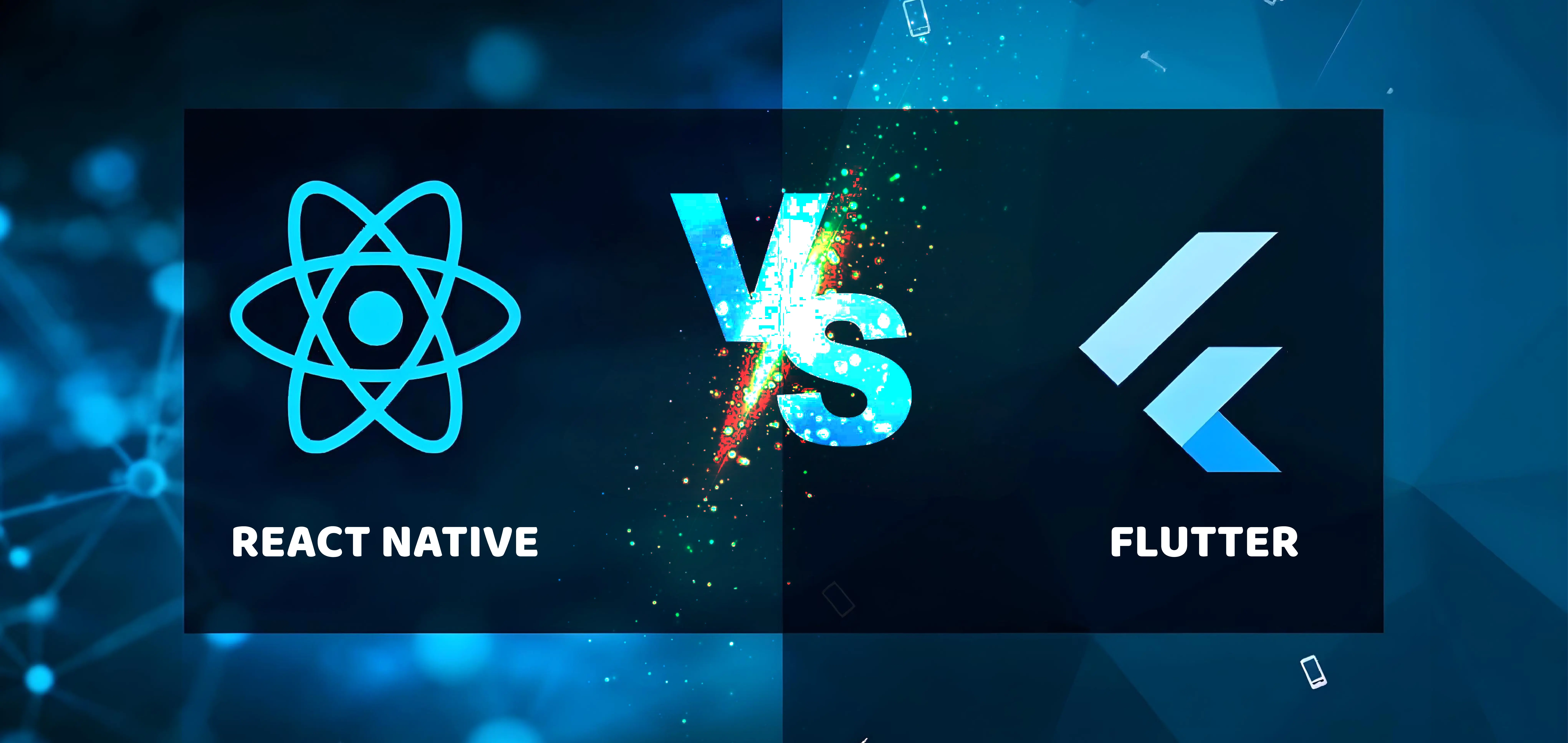
When it comes to cross-platform mobile app development, React Native and Flutter are top contenders. React Native, with its mature ecosystem and large community, offers stability and flexibility, making it a trusted choice for developers. Flutter excels with its stunning UI toolkit, enabling developers to create smooth, customizable apps that perform seamlessly across iOS and Android. The best framework for your project depends on your specific goals, team expertise, and the user experience you want to create.
According to a 2023 Statista survey, Flutter and React Native are two of the most popular frameworks used by developers for cross-platform app development.
In this blog, we’ll compare Flutter and React Native, highlighting their unique features to help you choose the ideal framework that aligns with your project goals.
React Native Overview
React Native, developed by Facebook, allows developers to build high-performance mobile apps for iOS and Android using a single JavaScript codebase. It combines the efficiency of cross-platform development with native-like performance, enabling rapid app creation without sacrificing quality. With access to a vast ecosystem and real-time updates through hot reloading, React Native streamlines mobile development for both developers and businesses.
Unique Characteristics Of React Native
React native is a widely used framework for cross-platform app development. Given below are some unique features that make it unique and the best choice:
1. Speed Up Development
One key advantage of React Native is faster page loading compared to standard JavaScript, improving user retention and SEO. Faster loading leads to better search rankings and enhanced web app performance.
2. Modular and Intuitive
React Native’s intuitive code structure enables developers to easily collaborate, speeding up updates and testing. This leads to significant time savings, making it a valuable advantage for both clients and CFOs.
3. Strong Performance for Mobile Environments
React Native is optimized for mobile performance by leveraging the GPU, unlike traditional CPU-driven native platforms. It outperforms older hybrid technologies, providing faster and more efficient cross-platform app development.
Popular Apps Built Using Flutter
Google Ads, Alibaba, and Philips Hue are examples of popular apps built with Flutter, demonstrating its ability to create smooth, fast, and visually appealing mobile experiences.
Flutter Overview
Imagine building beautiful, high-performance apps for mobile, web, and desktop—all from a single codebase. That’s Flutter! Developed by Google, this open-source powerhouse is a game-changer in app development, offering expressive designs, lightning-fast performance, and unparalleled flexibility. Whether you’re crafting sleek UIs or aiming for seamless cross-platform compatibility, Flutter is your key to building apps that engage users and leave a lasting impression.
Unique Characteristics Of Flutter
Flutter’s growing popularity in app development is no accident. Its unique features set it apart, empowering developers to create engaging, high-quality applications. Here’s what makes Flutter truly distinctive:
1. Hot Reload
Hot Reload instantly displays code changes in the app’s UI, speeding up design adjustments and enabling quick error fixes, saving time and resources in the development process.
2. Cross-platform Development
Flutter lets developers use a single codebase for multiple platforms, making app maintenance easier by sharing both functionality and UI.
3. Native Like Performance
Unlike other frameworks, Flutter compiles directly to machine code, bypassing the need for a bridge. This results in smoother animations and more responsive apps.
4. Rich Animations and Graphics
Flutter’s powerful Skia engine enables stunning animations and high-quality graphics, allowing developers to create dynamic, visually engaging user experiences with smooth transitions and intricate designs
Popular Apps Built Using Flutter
Google Ads, Alibaba, and Philips Hue are examples of popular apps built with Flutter, demonstrating its ability to create smooth, fast, and visually appealing mobile experiences.
Difference Between Flutter & React Native
| Aspect | React Native | Flutter |
|---|---|---|
| Framework | Designed By Facebook | Designed By Google |
| Language | JavaScript (with JSX) | Dart |
| User Interface | Component-based | Widget-based |
| Platform Support | Supports iOS, Android, Web | Supports iOS, Android, Web, macOS, Linux, Windows. |
| Native Modules Integration | Allows integration with native modules through bridges | Requires platform-specific channels for native integrations |
| Native Modules | Enables native integration via bridges. | Platform channels enable native communication. |
When to Go for React Native
React Native is an excellent choice in various situations. Here are some scenarios where it excels:
When You Are Planning To Build A Large Scale Application
React Native is a great option for large-scale applications with complex workflows and robust architecture. Its flexibility, along with mature tools like Redux and context APIs for state management, makes it well-suited for handling larger codebases efficiently.
When You Need a Large Ecosystem Of Libraries And Plugins
The excellent framework benefits from a mature ecosystem, offering a wide range of third-party libraries and plugins. This makes it easy to add features like maps, push notifications, and payments without writing custom code.
Familiarity With Javascript
If you're comfortable working with JavaScript, React Native is the perfect choice. Since it's based on JavaScript, you can quickly onboard and develop the app without learning a new language.
When To Go For Flutter
Flutter is an excellent choice for certain types of projects. Here are some situations where Flutter would be the best option:
When You Require Exceptional Performance
If your app requires smooth animations and high performance, Flutter is a great choice. Since Flutter compiles directly to native ARM code and controls every pixel on the screen, it provides better performance compared to frameworks that rely on JavaScript bridges.
When your project needs custom UI Design
Flutter is perfect for building highly customized and visually rich UIs. It offers a broad collection of pre-designed widgets and extensive customization options, enabling developers to craft unique and consistent user interfaces across both iOS and Android platforms.
When You Need Custom Animations And Graphics
Flutter is an excellent choice for apps that require complex animations or custom transitions. It offers fine-grained control over rendering and animations, providing greater flexibility compared to other frameworks. This allows developers to create smooth, dynamic visual experiences.
Wrapping Up
While both React Native and Flutter are excellent app development frameworks for cross-platform development, each brings unique strengths to the table for building high-performance, scalable apps. They serve different purposes. React Native is more appropriate for large-scale projects or teams that are already familiar with JavaScript, whereas Flutter is better for apps with rich visuals and performance. The decision ultimately comes down to the objectives, size, and development priorities of your app.
Bring Your App Idea to Life – Let’s Begin!
Do you have a unique mobile app idea in mind? Let Trigma bring it to life with seamless, high-performance apps designed to work effortlessly across mobile, web, and desktop platforms.
FAQs
Can Flutter and React Native be used for web and desktop apps?
Yes, both Flutter and React Native can be used for web and desktop apps. Flutter offers better native support for both, while React Native requires community tools for desktop and web.
Which framework is better for my startup: React Native or Flutter?
For startups, React Native offers faster development and a large community with extensive libraries, while Flutter provides better performance and more design flexibility. The choice depends on your app's specific needs.
What are the main differences in UI design flexibility between React Native and Flutter?
Flutter offers greater UI flexibility with custom widgets and its rendering engine, allowing more control over design. React Native uses native components, providing fewer design customizations but easier integration with existing platforms.