+91-98558-85133
 +1(702)760-3099

60 Second Summary
- AI is becoming essential to handle rising patient demand and clinician burnout.
- By 2026, AI will power diagnostics, documentation, virtual care, and patient engagement.
- Medical scribes, AI agents, and chatbots reduce workload while improving care quality.
- Virtual hospitals, wearables, and predictive analytics enable scalable, remote healthcare.
- Robotics, digital therapeutics, and AR/VR accelerate recovery and medical training.
- Trigma helps healthcare providers adopt these AI trends with compliant, scalable solutions like TellDoc AI.
What if healthcare teams can handle rising patient demand without burning out?
By 2026 and beyond, AI won't just support healthcare; it will quietly run large parts of it, from diagnostics to virtual hospitals.
As healthcare rapidly shifts toward digital-first, data-driven care, doctors and clinicians must understand where AI is creating real impact versus hype.
In this article, we break down the 7 healthcare AI trends to watch in 2026.
7 Healthcare AI Trends to Watch in 2026
Artificial Intelligence and Machine Learning are changing the way healthcare organizations provide care to patients, making clinician workflows more efficient, and turning the diagnostics processes smarter than ever.
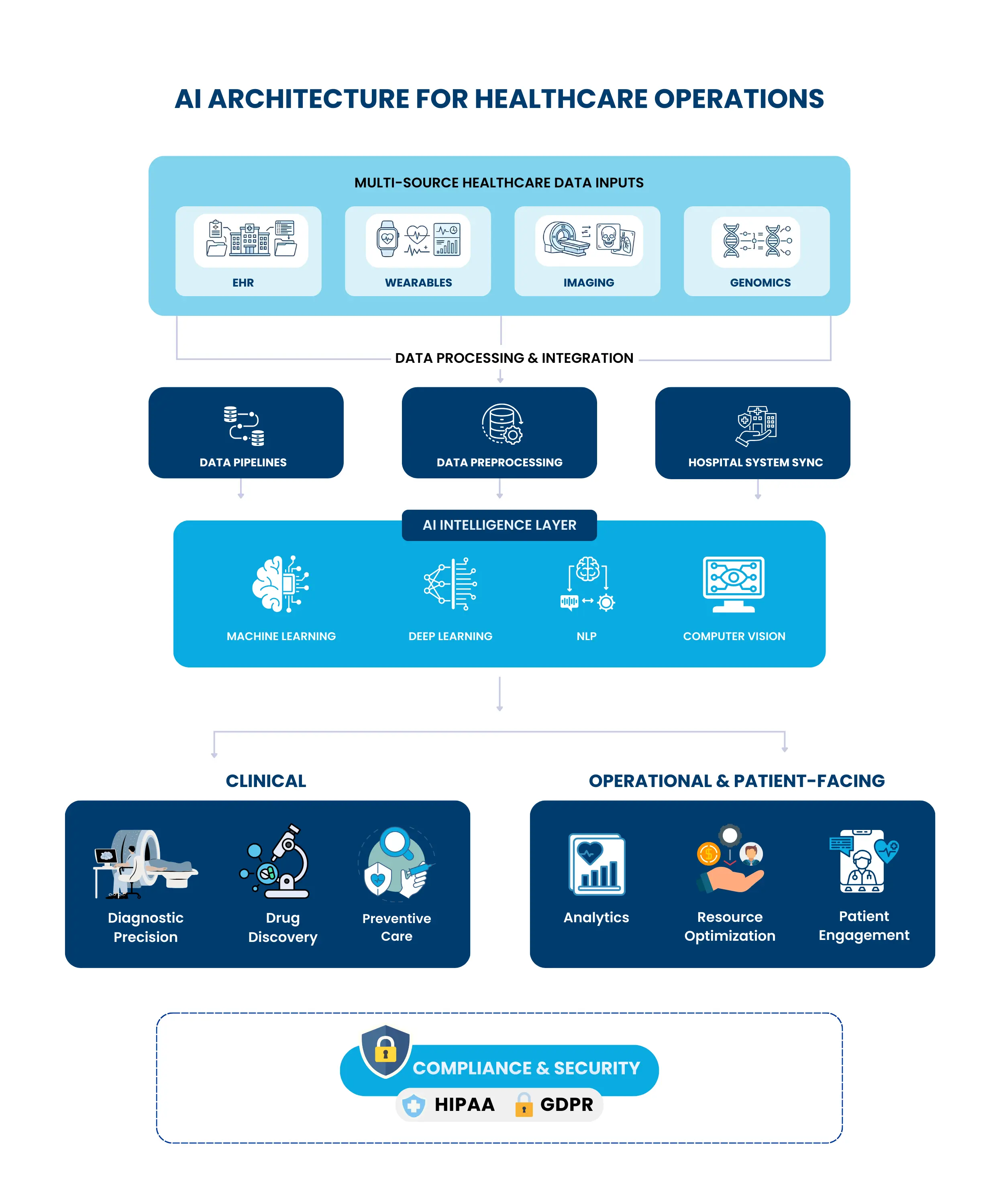
Here are a few game-changing AI trends in the healthcare sector that are transforming care delivery and creating value for healthcare staff and patients.
1. The Rise of AI in Healthcare from Clinics to Labs
AI is no longer optional; it has become a MUST-HAVE necessity. Hospitals rely on Artificial intelligence systems to enhance the quality of care and make healthcare workflows more efficient.
-
Medical Scribes and Documentation
Many healthcare organizations are adopting ambient listening tools, which are ML-powered audio technologies that analyze patient and provider conversations and turn them into clinical notes.
This way, medical scribe tools free up clinicians, enabling them to spend more time with patients and less on handling documentation.
-
AI-Powered Diagnostic Tools
AI systems now analyze medical images such as X-rays, CT scans, and MRIs faster and more accurately than ever before.
Tools like Google DeepMind and IBM Watson are helping doctors detect diseases from cancer to cardiac issues in just a few seconds, which earlier took more time to spot.
-
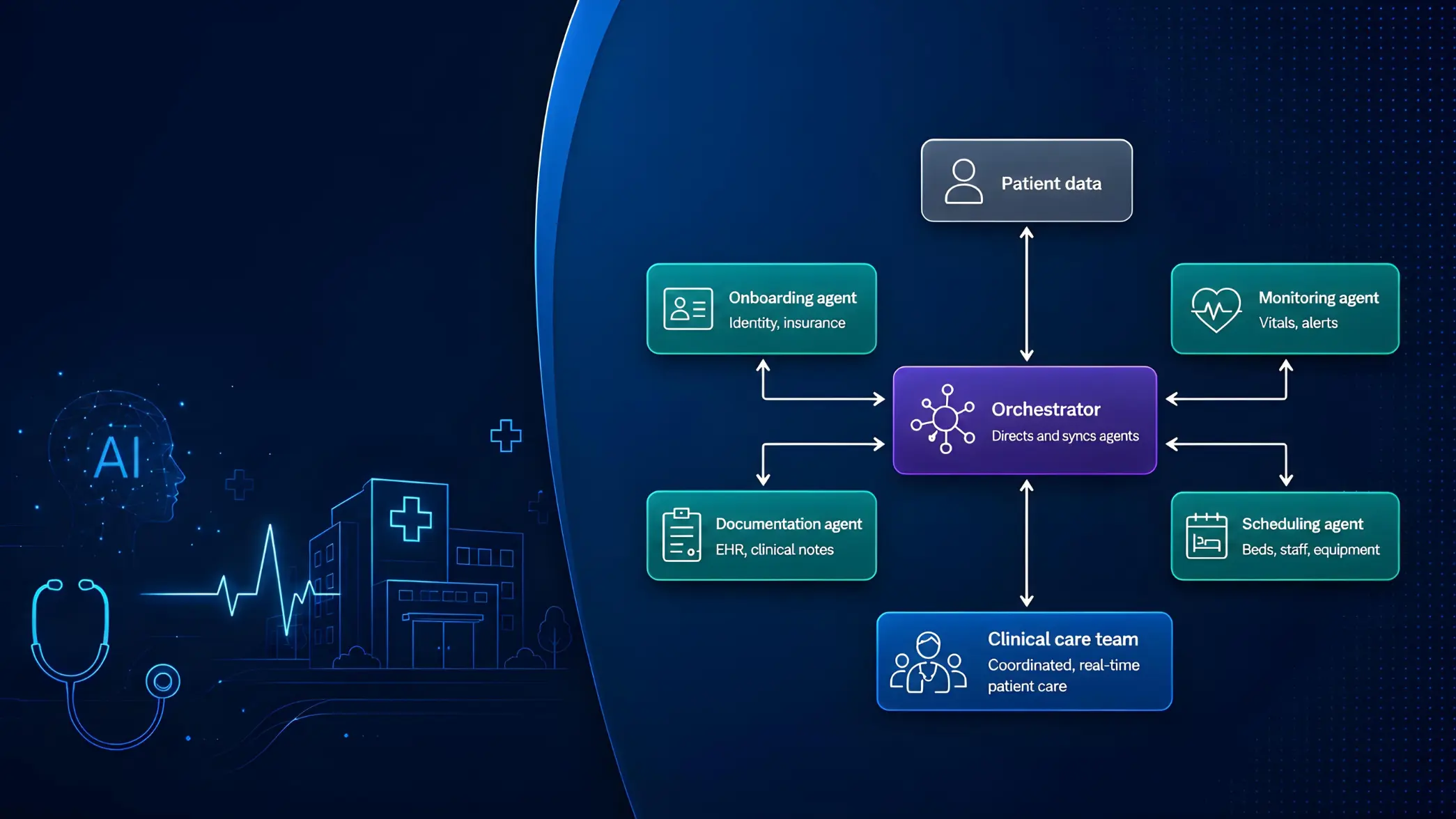
AI Agents
If you think about doctors, they might want to pull up all of the relevant info for a particular patient or pull up their recent conversations with a patient.
They might need to order an MRI for the patient, so how would they kick off the process? All of these things are process-oriented.
For all those different workflows, there's a need to fit in AI agents. From appointment scheduling to following up with patients, right now, it's all done by humans.
This means integration of AI in healthcare workflows makes your patient experience 100 times better. How?
Imagine if your phone was answered 24 hours a day and if there was a knowledge base where an AI agent can understand the most common patient calls like:
- "I had surgery today and I'm swollen"
- "I'm bleeding, what do I do?"
A knowledge base is built around this, and the agent can track and record calls, giving the agent context like "next time you answer this question, I'd want you to answer it this way."
The agent can learn and get better and better. And there will be no more repetitive explanations.
2. The Virtual Hospitals and Remote Care Ecosystems
There are now certain office buildings where doctors are sitting and working at computers, trying to control the entire healthcare ecosystem. In the virtual health ecosystem, there are no nurses and beds.
Only licensed clinicians can remotely monitor patients in their homes or in care facilities.
Wearable-powered remote care monitoring systems track patients' vital signs such as heart rate, oxygen saturation, or pulse, making it possible for clinicians to diagnose their patients remotely.
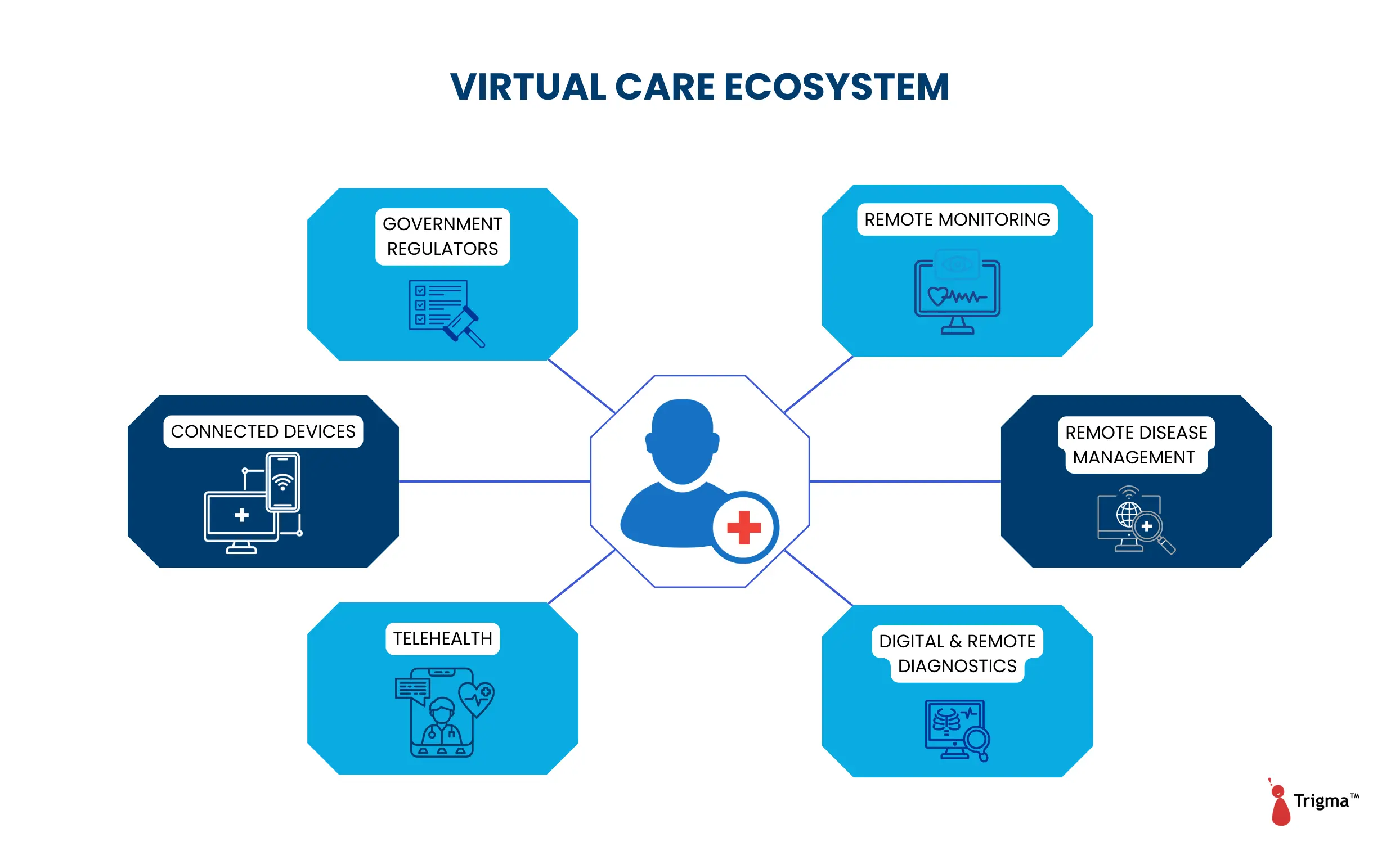
SEHA, the world's largest virtual hospital, proved that digitalization can make healthcare services more convenient and future-ready.
This hospital:
- Provided high-quality remote care services to patients in every corner of the world
- Scaled the hospital to serve millions of patients through technologies such as AI, IoT, and digital platforms
- Reduced healthcare costs by cutting unnecessary hospital visits
3. Robotics Redefining Healthcare Operations
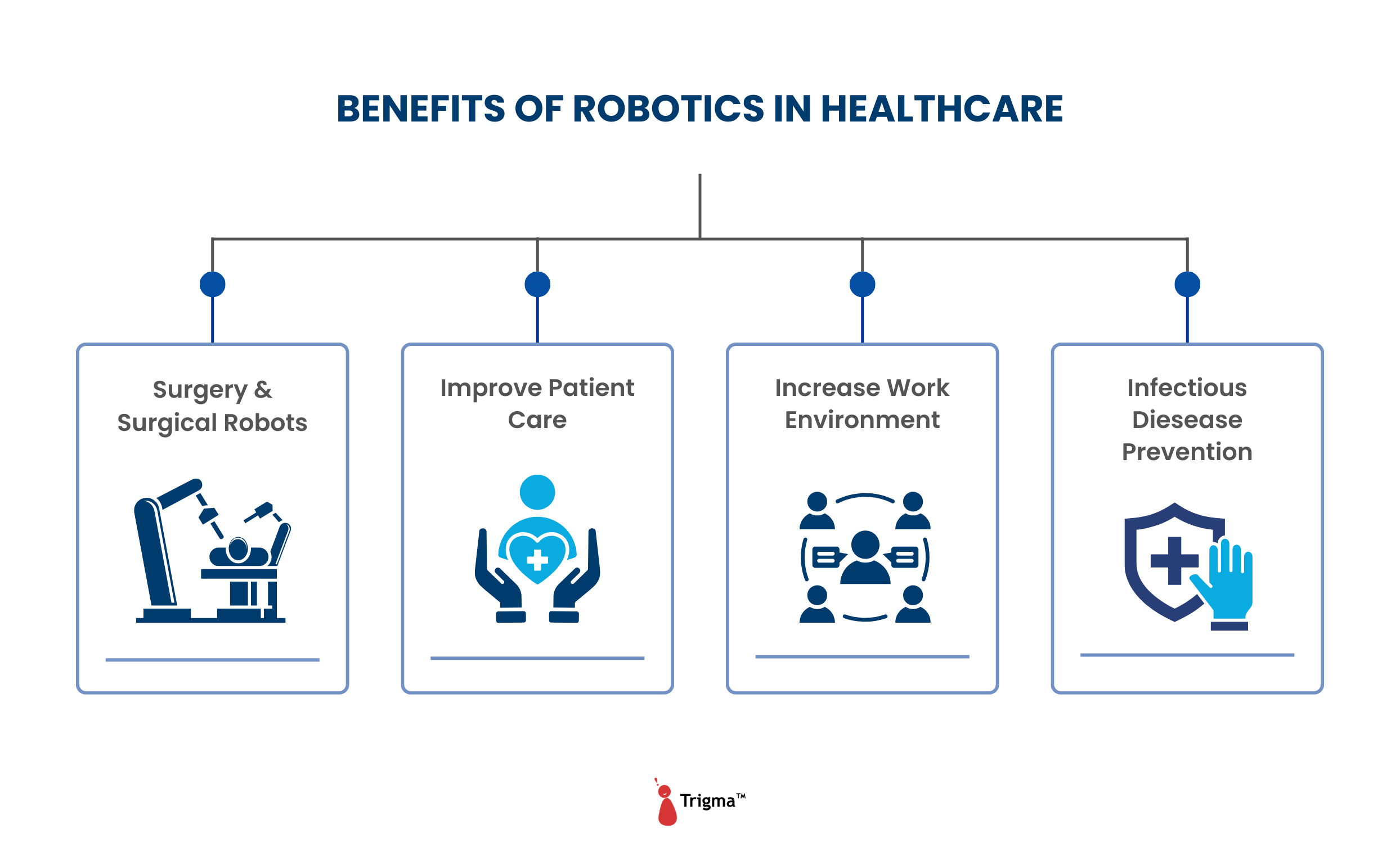
Unlike manufacturing, robots are coming to healthcare as well. But in healthcare settings, they're not just used in the operating room but also act as a powerful weapon in assisting healthcare workers.
- AI-enabled robots help healthcare staff by quickly preparing rooms before patients arrive, sanitizing them properly, and speeding up the distribution process of medicines to patients.
- Social robots are responsible for improving the well-being of patients by helping them with wayfinding.
For example, robotics is playing a vital role in adjusting therapy according to patient needs. Harmony, a robotic exoskeleton, is helping patients recover after spinal cord or stroke injuries and providing them support when needed.
Thus, Robotic-assisted devices result in less time in the hospital, faster recovery times, and less post-operative pain.
4. Digital Therapeutics and mHealth Devices for Chronic Care

Digital therapeutic solutions act like 24/7 health companions right there on the smartphone and make healthcare facilities available at your fingertips.
They have become part of the everyday lives of patients. These are basically apps and solutions that support patients in real life instead of just waiting for doctor visits.
Swati Kulkarni, Head of Health Management, shares the positive experience about customers who used their digital therapeutic solutions and experienced 95.3% improvement in health outcomes.
From reminders to tracking progress in real time, they help patients manage healthcare conditions such as diabetes, health issues, and even mental health challenges.
These include:
- Ongoing healthcare support
- Medication and lifestyle coaching
- Tracking symptoms
- Personalized diet and exercise plans
- Real-time data on patients' behavior and treatment response
5. AI-Driven Predictive Analytics
What if doctors could predict the illness before the symptoms ever appear? That's what AI-driven predictive analytics does; it doesn't just analyze data, it simulates biology itself.
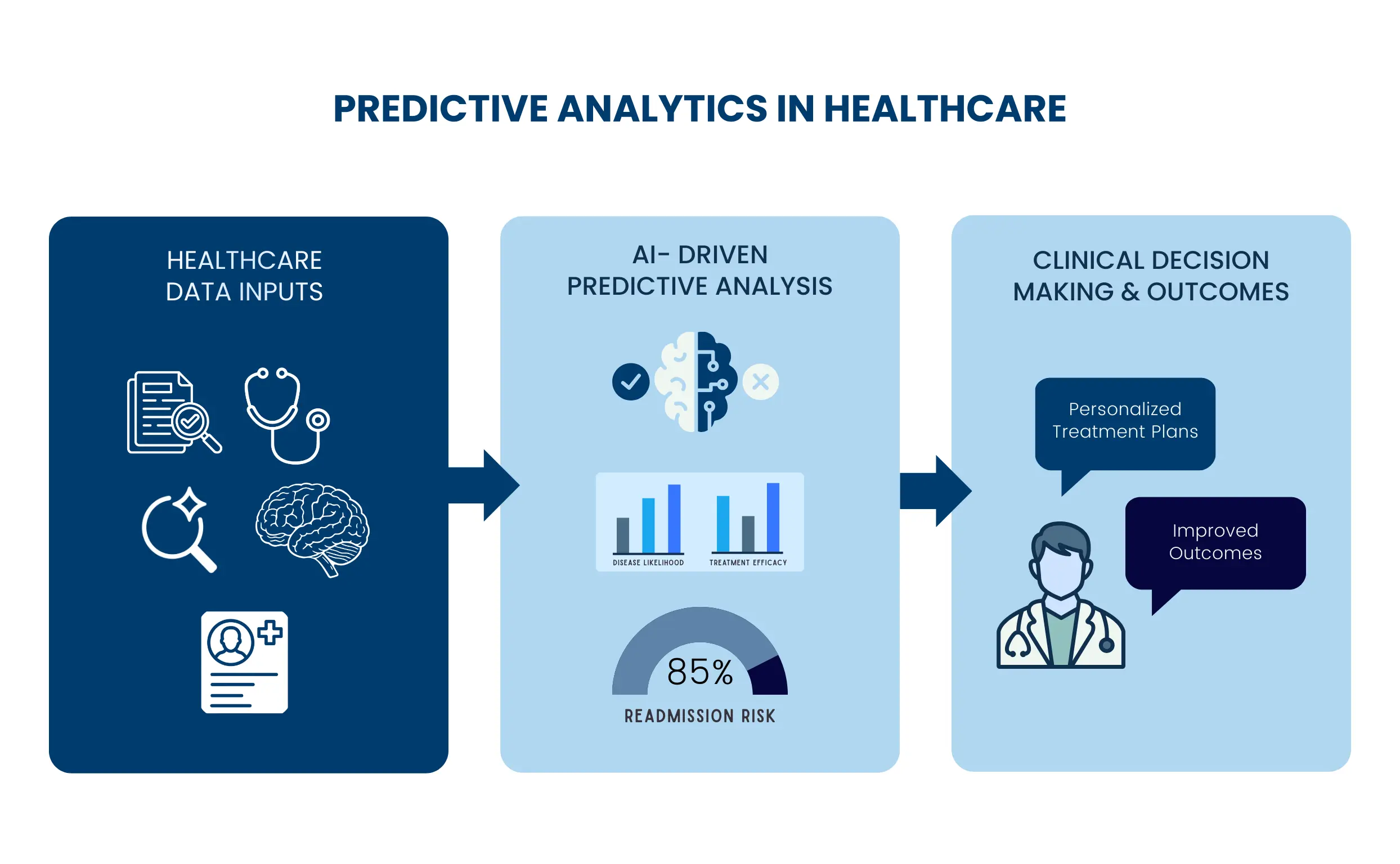
With predictive analytics, the future of healthcare and medicine looks like this:
- Doctors detect diseases before they occur
- Generative AI designs drugs in a few weeks, not decades
- Digital twins test treatments virtually, tailoring therapies according to your biology traits
- Predict how a patient's body will react upon consuming those drugs and dosages
- Decide the most effective personalized treatment plans
This means faster cures, fewer side effects, and healthcare treatments designed around YOU.
6. Immersive Technologies (AR and VR)
Eran Orr, the CEO of XR Health, says Virtual Reality and Augmented Reality form the backbone for the entire healthcare industry.
Patients can wear VR headsets and enter into treatment rooms for any kind of disease they're suffering from.
He said such immersive technology provides a full view of patient data at any time, giving doctors a full snapshot of their patients' well-being.
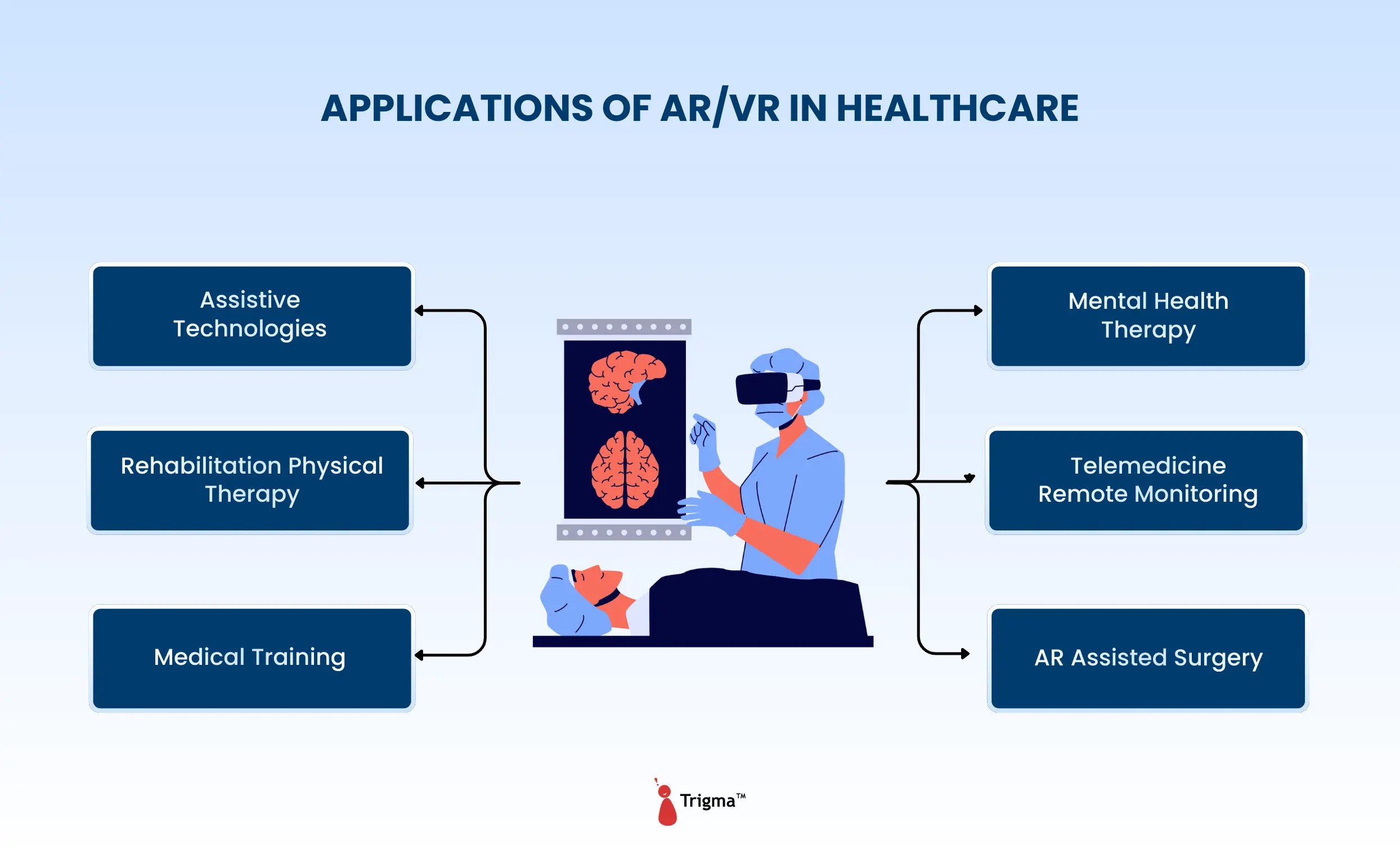
Instead of patients coming to the hospital for diagnosis and treatments, they can use AR/VR technology to access care remotely.
This improves the patient experience by giving them a lot of convenience when they can use VR technology to reach doctors.
From doctors' perspective, AR makes medical training easier for nurses and biology students.
The University of Central Florida College of Nursing has been using AR and VR technology to
- understand anatomy more clearly,
- see what's happening behind the scenes, and
- observe how certain diseases like stroke or heart attack affect the patient's body.
Like, they can see the difference between what's a normal birth and what happens if the normal birth didn't go right.
This means learning becomes more interactive in such virtual settings.
7. Conversational AI in Healthcare
As the demand for mental and healthcare explodes, and with the current shortage of healthcare staff, technology can help provide the same level of care as nurses and doctors used to provide.
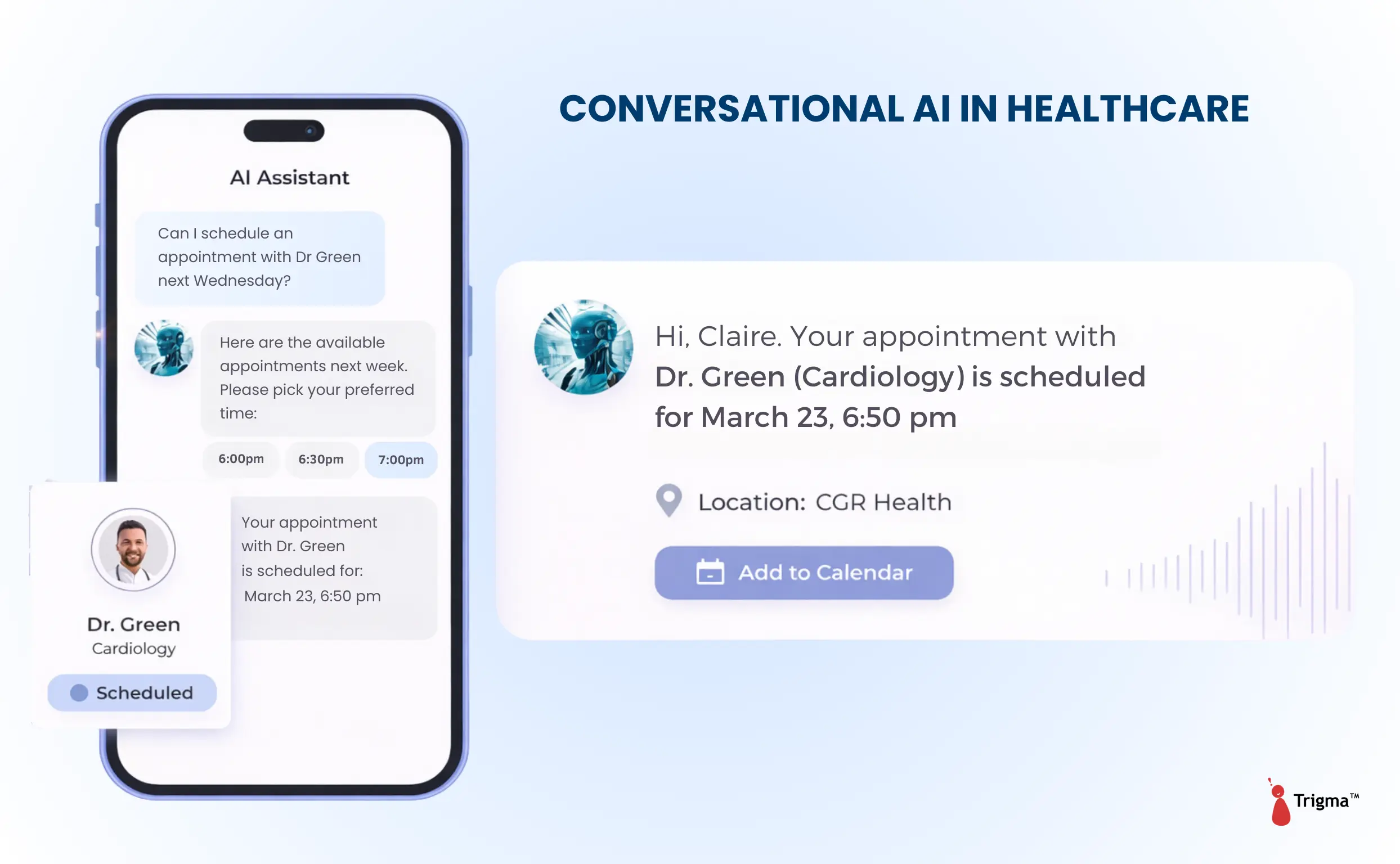
Conversational AI has become mature enough, and it's not like your old-school virtual assistants like Siri and Alexa.
These AI-powered healthcare chatbots not only talk like humans but also understand conversation nuances and provide healthcare advice.
Today, doctors have to type or dictate notes during patient visits, which results in burnout issues. But conversational tools are there to reduce clinicians' documentation burden.
With the advances in Artificial Intelligence and speech recognition technology, these conversational chatbots now act as smart healthcare tools for both patients and healthcare providers to:
- Book medical appointments
- Retrieve information about whether certain drugs are safe for breastfeeding women
- Identify user symptoms and recommend actionable medical information
- Monitor your health status
How Can Trigma Stay on Top of These Trends Through Healthcare App Development Solutions?
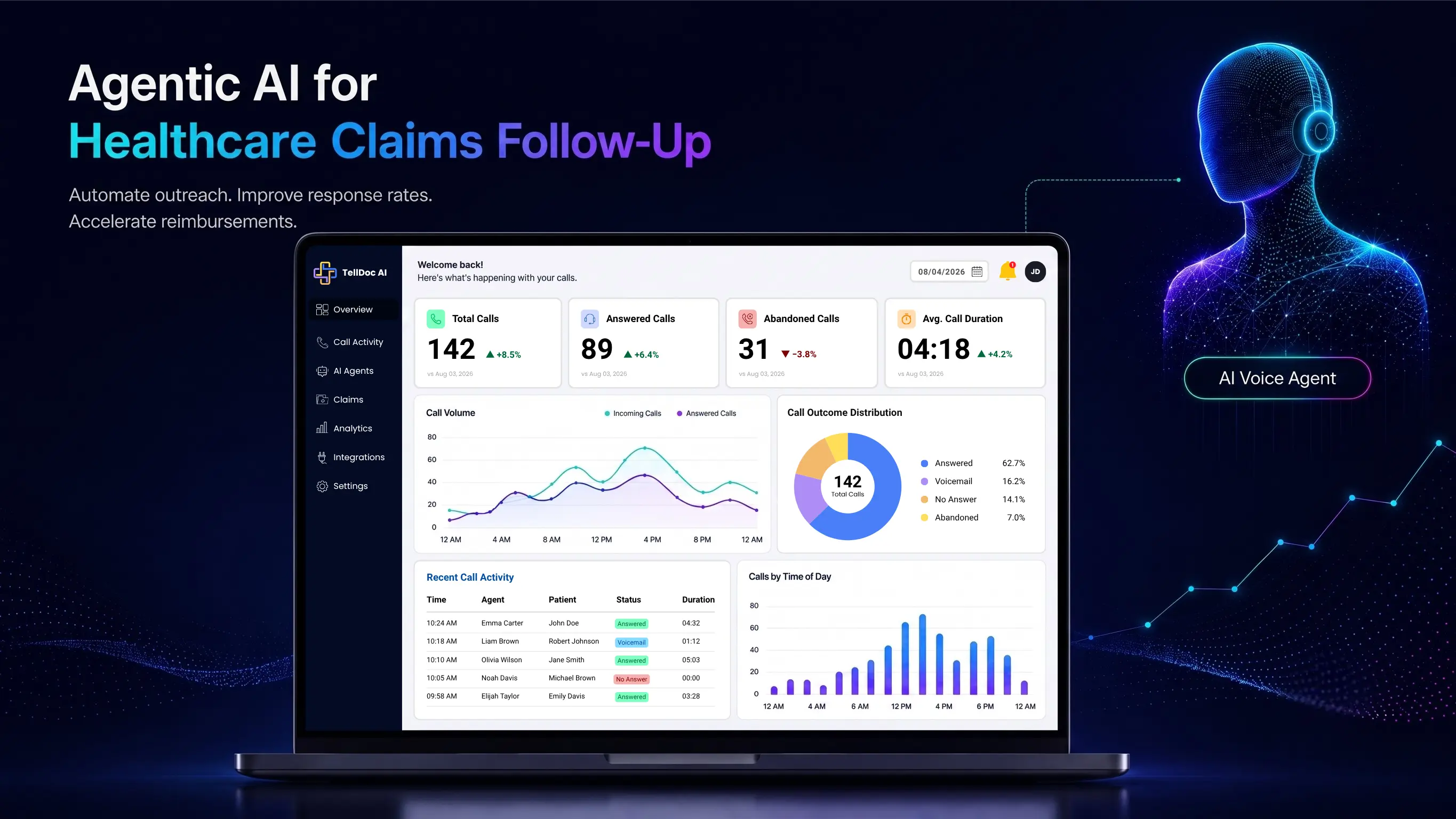
At Trigma, we provide on-demand, ready-to-deploy healthcare solutions (TellDoc AI) to simplify your healthcare workflows and meet the needs of digital-first patients.
Our TellDoc AI (advanced digital solution) can be customized according to your healthcare needs and makes healthcare operations smarter and faster through:
- AI-driven diagnostics - to detect diseases early on before they become a serious concern.
- Virtual consultations - provide a remote healthcare experience to patients.
- Personalized health recommendations - develop tailored medication plans according to patients' medical history.
- Real-time dashboard - measure patients' progress and get full-time visibility about clinical performance.
- Built with compliance - comply with global healthcare standards such as HIPAA and GDPR.
Need help developing an AI-powered healthcare platform for your business?
Trusted by startups, enterprises, and Fortune 500 companies for AI-driven solutions.