performance icon
Top IT Services Company 2025 Top Software Developers 2025 Top Generative AI Company 2025 G2 High Performer Winter 2025 G2 Leader Winter 2025 AI Deployment Company 2024 Top Software Development Company in USA for 2024 Top ReactJs Company in USA for 2024

Agentic AI Implementation Guide: From Planning to Production in 90 Days

60-Second Summary

  • AI is evolving from chatbots to autonomous agents that can plan, decide, and act across enterprise systems in real time.
  • Leading companies are moving beyond ChatGPT-style interfaces to deploy agentic AI for decision-making, workflow execution, and revenue optimization.
  • Agentic AI integrates with tools like CRMs, ERPs, and knowledge bases to adapt dynamically, operate 24/7, and deliver measurable ROI.
  • Successful implementation requires clear goals, strong guardrails, human oversight, and governance around security, privacy, and auditability.
  • Trigma builds enterprise-grade agentic and voice-based AI solutions that automate complex workflows, scale operations, and drive real business outcomes.

From LLM chatbots to autonomous actors, the next AI evolution has shifted from simple prompting to orchestrating multiple systems. This creates a massive opportunity for businesses.

Though many companies are still experimenting, they are seeing real returns and unlocking performance improvements that their legacy systems fail to deliver.

That's why you need to invest in autonomous AI agents not just for task automation, but for making decisions, gathering context, and optimizing revenue in real time.

The companies winning in 2026 are those that have moved beyond ChatGPT-like interfaces to design more intelligent agents that plan, make decisions, interact with tools, and continuously improve.

This guide covers practical, step-by-step approaches for implementing and scaling AI agents.

What is Agentic AI Implementation?

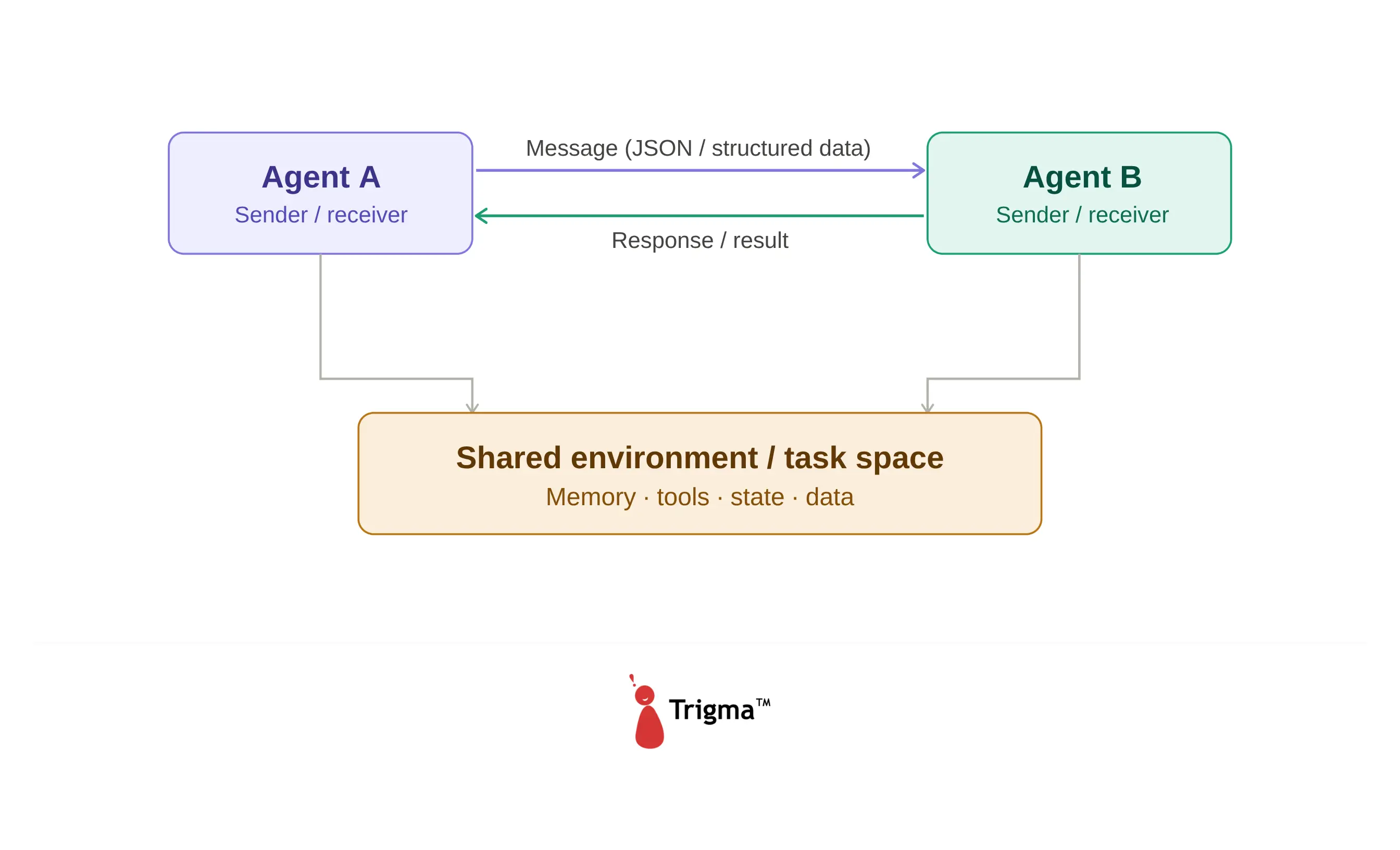
Implementing Agentic AI systems is an architectural process that is quite different from generative AI deployments. 

It means setting up AI systems that can act autonomously, not just limited to performing tasks such as generating content or answering questions.

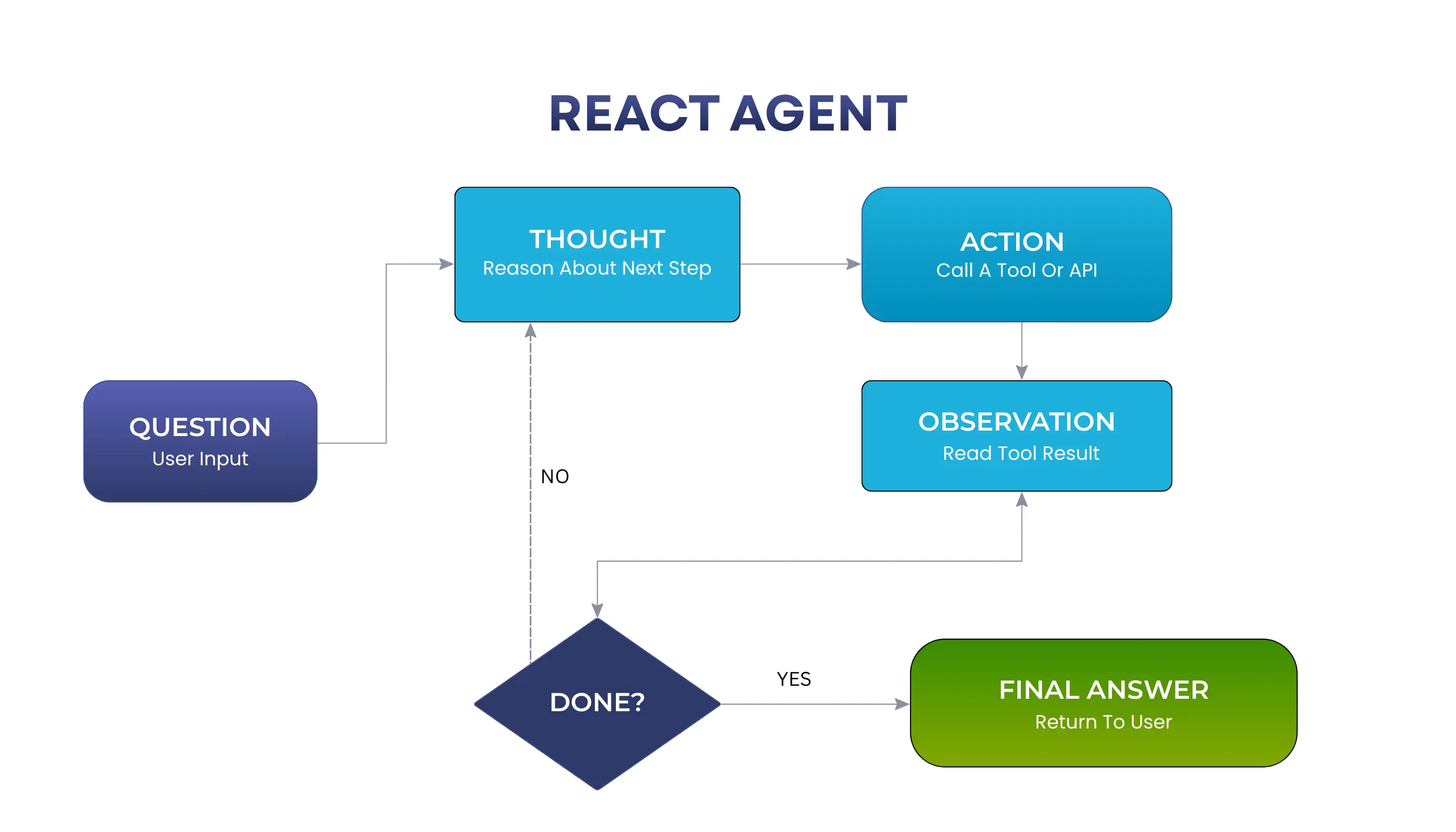
Unlike traditional AI tools, Agentic AI can reason, plan, make decisions, adapt, and run 24/7 to help you achieve your business objectives.

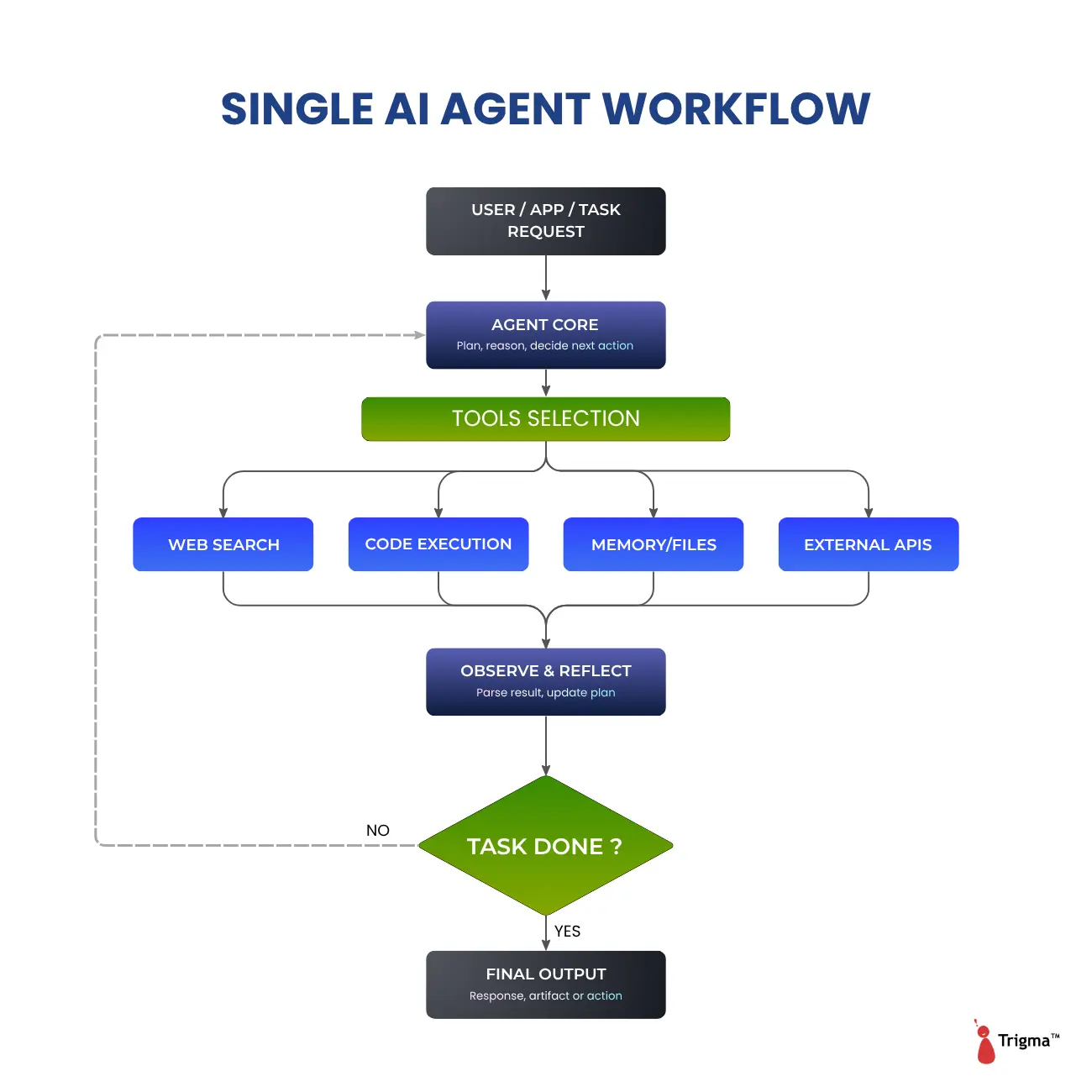
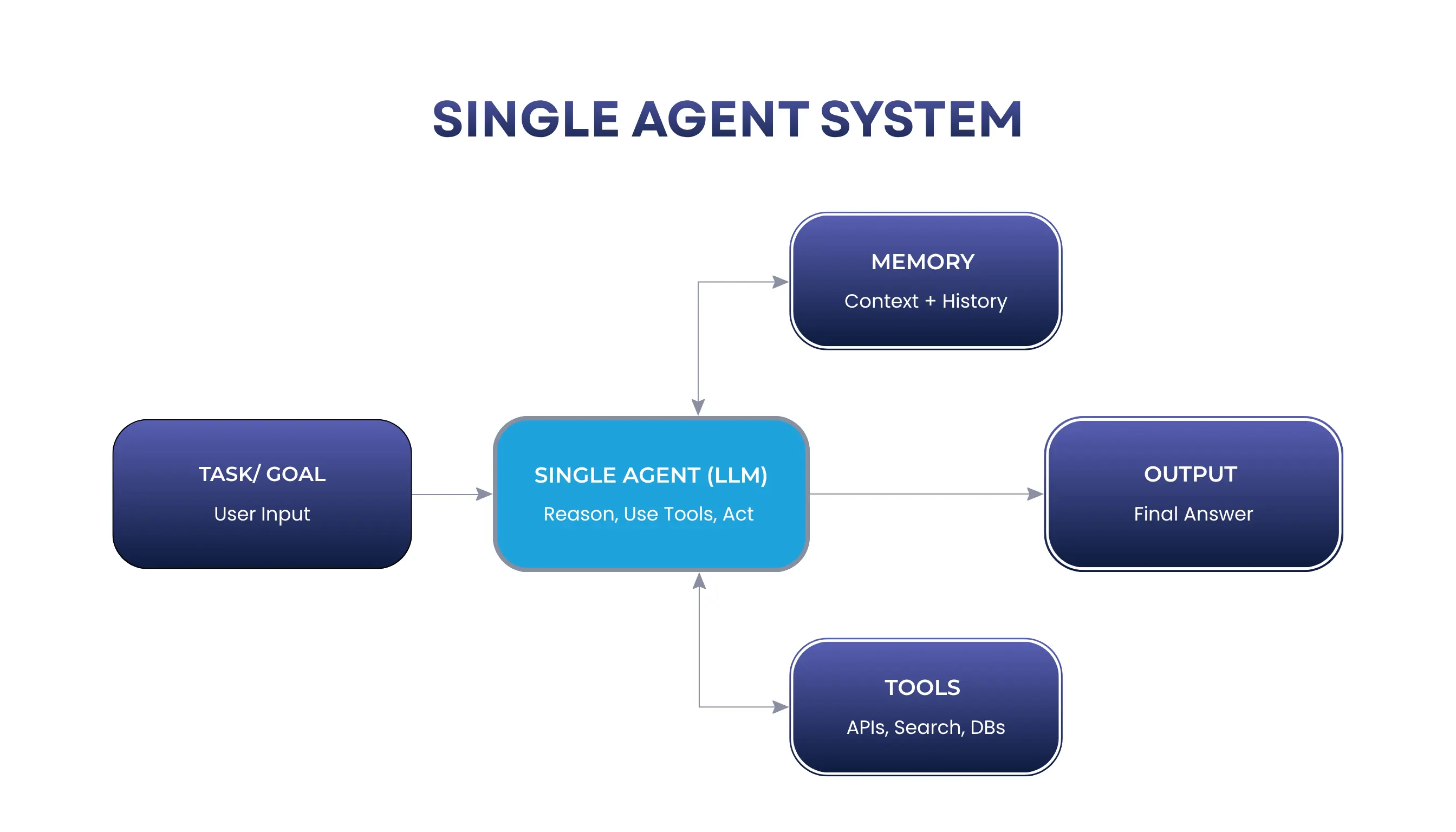
Agentic AI system flow diagram showing User interacting with AI Agent, connected to LLM with Database and Vector DB, triggering Action, with Feedback Loop improving Model Customization

Key Requirements for Implementing Agentic AI:

  • Connect AI agents to your existing systems such as HR or CRM platforms.
  • Add guardrails to clearly specify what an agent can and cannot do.
  • Provide the agent with read and write access.
  • Define the KPIs to measure the performance of the AI agent.

What Makes Agentic AI Work in the Enterprise?

Creating AI agents isn't just about adopting bigger models. For successful implementation of AI agents, here are the core components that matter the most:

• Clear goals, fewer outcomes

Before creating AI agents for business workflows, you need to define core objectives and set measurable goals (like increasing marketing ROI by 20% or reducing supply chain costs by 50%).

Ambiguous goals result in half-baked automation, meaning even if you develop AI agents, they deliver little to no value.

• Adaptability beats rigid scripts

Agents don’t collapse when something unexpected happens because they aren't trained on predefined scripts.

The best part? These are quite adaptable and use their reasoning capabilities to decide when inputs, data sources, or user needs change.

Adaptability is what separates agents from rule-based chatbots that rely on simple automation.

• Integration with data and tools

Autonomy is driven by connectivity. If an agent lacks access to tools or real-time data, then you can't expect it to take meaningful action. That's why an agent that connects to ERPs, CRMs, and analytics platforms delivers transformative results.

• Keep humans in the loop

Although agents can deliver results, they can make unexpected decisions. That's why adding human oversight is needed until the agent meets expected standards.

Foundation for Scaling Agentic AI

Scaling an AI agent isn't just about software deployment. 

It's more about whether the agent is trained on clean data, has access to tools, and has guardrails implemented so that it doesn't take unapproved actions that cause more harm than good.

1. Assessing technical maturity and data readiness

Agentic AI is never a plug-and-play system. You need to assess where your organization currently stands and whether you have the relevant tech stack for automation.

Many teams are still relying on RPA for rule-based systems and creating multi-agent systems requires orchestration of multiple systems.

For successful implementation of AI agents, they require real data pipelines where knowledge bases are digitized, indexed, and accessible through semantic search.

2. Establishing governance: Security, privacy, and control

Once you give AI agents access to enterprise systems, it also creates new risks. That's why establishing strong governance rules is essential.

  • Role-based access control - Agents should follow the principle of least privilege and use the permissions of the user they support.
  • Human in the loop - Critical actions such as financial transactions or data deletion must require human approval.
  • Auditability - All agent decisions and API actions must be logged for troubleshooting and compliance.

3. Define ROI before deploying Agentic AI

While vendors promote technical capabilities, actual implementations often deliver basic capabilities at a premium price.

That's why outcome-based metrics should be defined early on so that the agent can be moved from proof of concept to production:

  • Ticket deflection rate - Percentage of issues resolved automatically without human intervention.
  • Mean time to resolution - Reduction in resolution time compared to human-only workflows.
  • Operational efficiency - Measurable time saved by shifting staff from repetitive tasks to high-value tasks.

The Exact Roadmap for Implementing Agentic AI

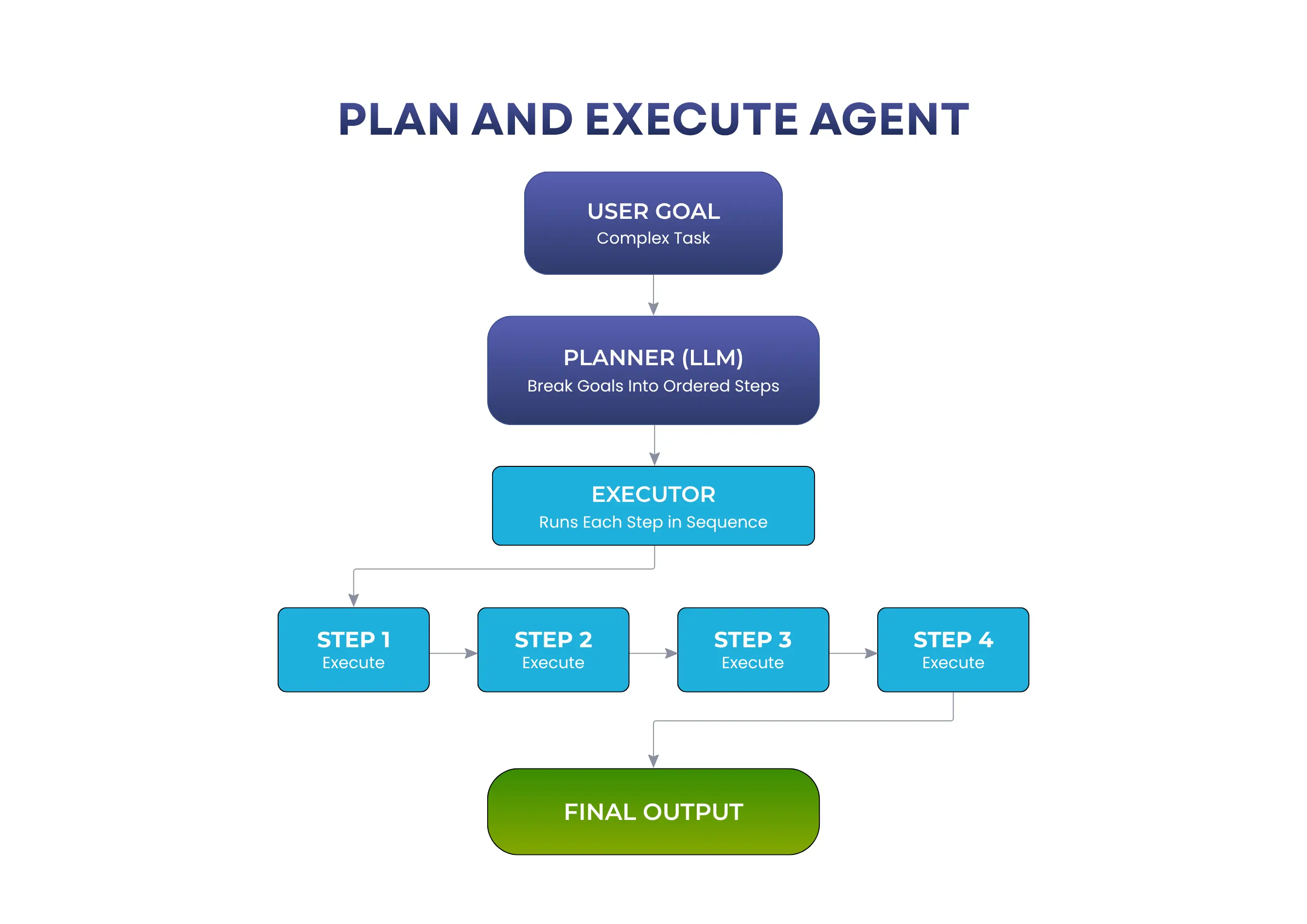
Once technical readiness is confirmed, here's a phased 90-day roadmap that we follow to deliver measurable ROI for businesses.

90-Day Agentic AI Implementation Roadmap showing five phases: Discovery in weeks 1-2, Platform Selection in week 3, Agent Design in weeks 4-6, Integration and Testing in weeks 7-8, and Deployment and Optimization from month 3 onwards

1. Discovery and use case identification (Weeks 1-2)

You need to identify high-volume and high-impact business processes that are repetitive in nature, such as supply chain reordering, customer support workflows, and marketing campaign optimization.

For example, AI agents and Agentic AI can show promising results in these domains:

  • In customer service and sales, AI agents can proactively issue refunds, place orders, and rebook flights with zero human intervention.
  • Marketing and sales agents that analyze websites from an SEO perspective and draft social media posts on your behalf.
  • Making financial decisions after analysis of real-time market data

This means you need to identify and pick low-hanging fruit that can deliver measurable ROI for your business.

2. Create a list of top 10 Agentic AI companies and their platforms (Week 3)

Here, you need to evaluate the buy vs. build architecture. Ask yourself whether your company has product leadership who can own this AI agent capability.

Do you have access to data, infrastructure, and engineering talent to integrate AI agents into existing systems?

Before selecting Agentic AI companies, you need to consider a few factors such as enterprise readiness and ease of integration, not just model complexity or size.

You need to assess how ready the platform is for enterprise use and how well it integrates with existing platforms.

  • Pre-built agents - Does the platform already have AI agents built for common business tasks?
  • Integration ecosystem - Can it be integrated with existing business systems such as Jira, ServiceNow, Workday, etc.?
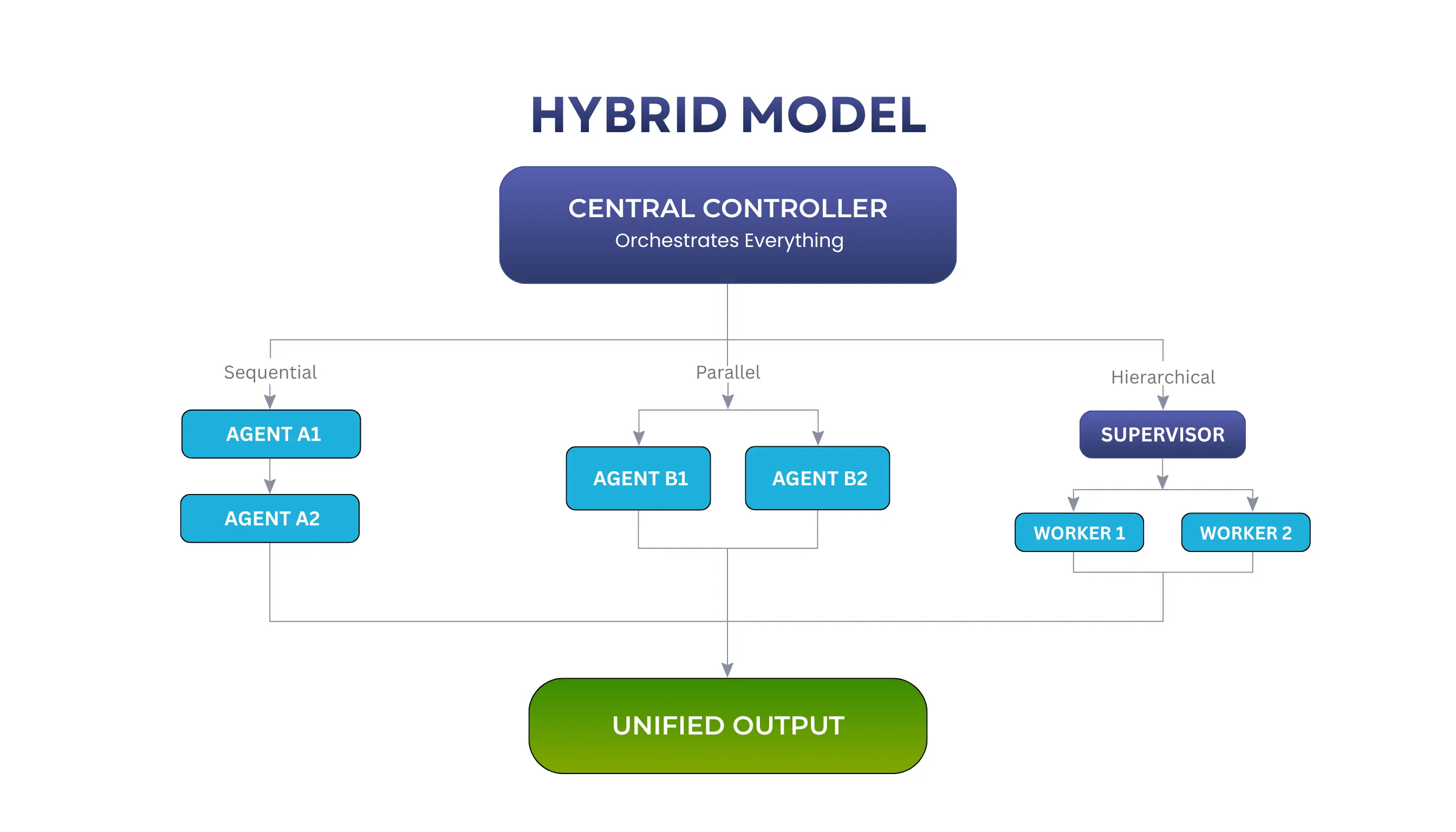
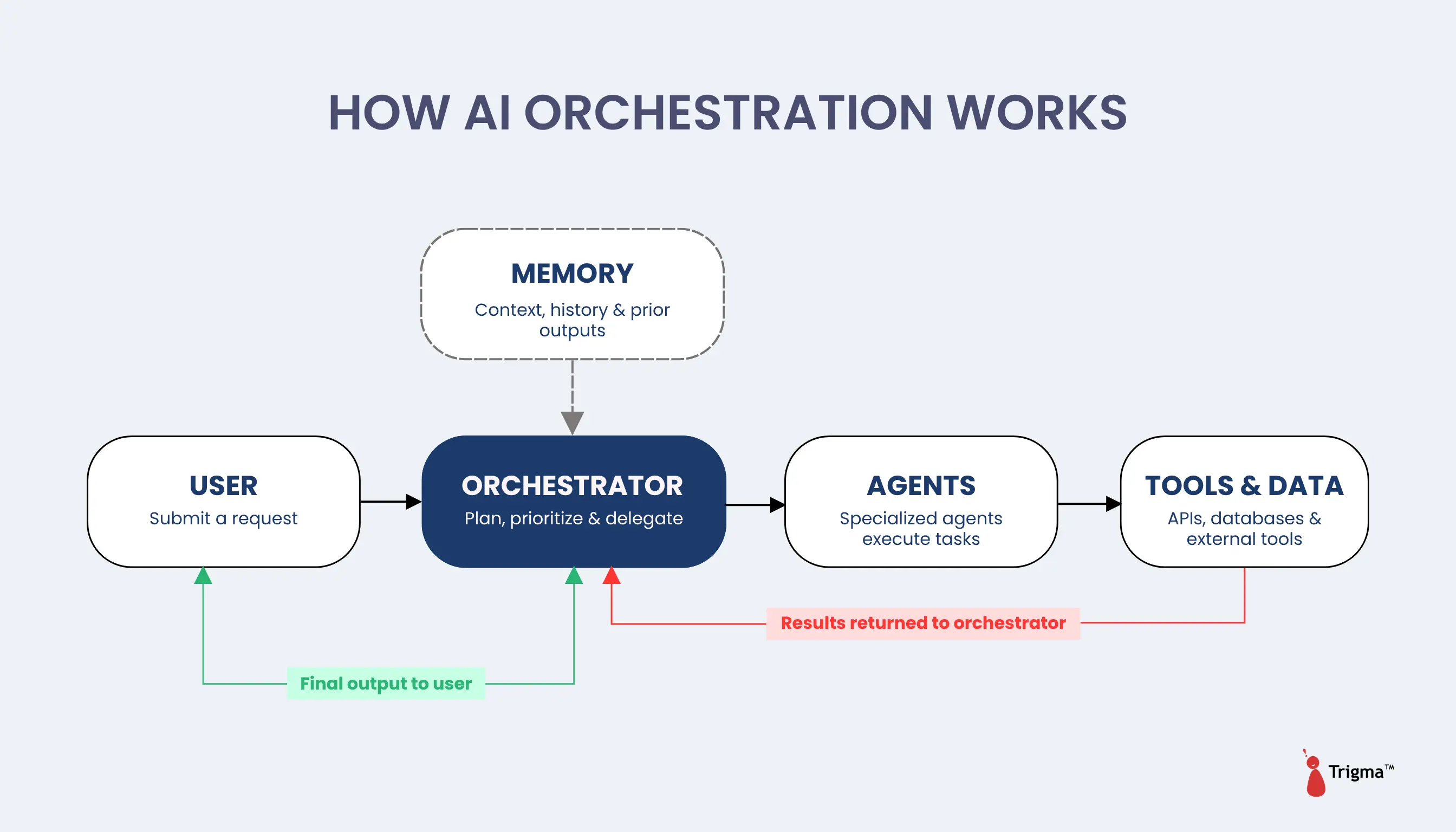
  • Orchestration engine - Can the AI agent handle complex workflows on its own?

3. Design and multi-agent orchestration (Weeks 4-6)

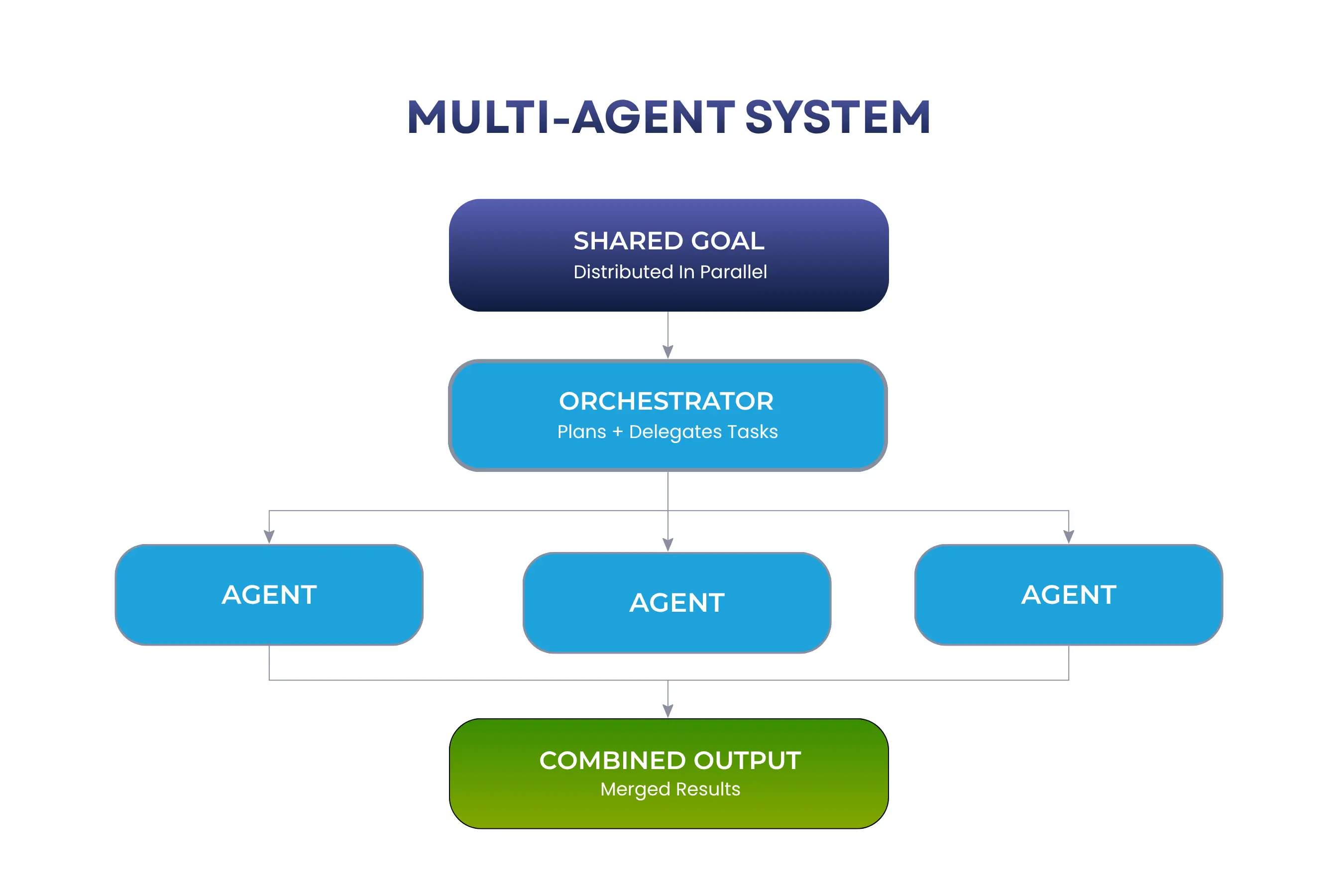
This phase focuses on designing how multiple AI agents collaborate with each other, how conversations flow between them, and how the systems behave when errors occur.

  • Designing conversational flows where each agent is responsible for a specific domain such as HR, IT, Finance, etc.
  • Multi-agent systems should maintain context across multiple domains.
  • Defining escalation logic that determines when an AI agent should escalate to a human agent.

4. Integration and testing with the human-in-the-loop framework (Weeks 7-8)

This is where an AI agent is connected to real company knowledge and then tested with human oversight to ensure that it gives grounded responses.

Key activities in this phase:

  • Connecting the agent to Retrieval-Augmented Generation (RAG).
  • Using tools such as KB gen to identify documentation gaps.
  • SMEs testing the agent's responses in a sandbox environment.
  • Agents are given supervised autonomy, which means agents can take actions but only under supervision.

5. Deployment, monitoring, and continuous learning (Month 3+)

In this phase, the AI agent goes live and performance is continually monitored over time.

But that doesn't mean Agentic AI is a set-and-forget task as market conditions evolve and business objectives change, you need to retrain the model and keep it relevant over the long haul.

Key activities included in this phase:

  • Release the agent to a pilot group
  • Track baseline performance metrics like Mean Time to Resolution (MTTR) and deflection rate to identify failure cases and incorrect answers
  • Gather implicit and explicit feedback to refine resolution workflows and knowledge retrieval logic

How Trigma Can Help You in Developing Agentic AI Solutions?

At Trigma, we create responsible AI agents that are aligned with your business vision, integrate with your existing systems, and can perform complex workflows autonomously.

The multi-agent AI systems that we develop don't just perform basic analysis but drive execution, sense, reason, and act across multiple steps.

Recently, we developed a voice-based AI agent for hospitals. The agent was powered by GPT-4 intelligence for conducting human-like conversations.

The hospital team was spending hours calling insurance companies and asking them for claim statuses. Because of spikes in call volume, the hospital team wasn't able to scale quickly.

But our Agentic AI system managed the claim process smoothly, made follow-up calls 24/7, and sped up the claim resolution process.

Result?

10x more calls handled per day and faster claim closures without increasing headcount.

Predictive Analytics in Healthcare: Use Cases, Examples, and Challenges

60-Second Summary

  • Predictive analytics is transforming healthcare by using AI and machine learning to forecast diseases, prevent hospital readmissions, and personalize patient care.
  • Leading organizations like Mayo Clinic, Corewell Health, and MultiCare use predictive models to identify high-risk patients, optimize hospital capacity, and improve clinical outcomes.
  • These AI tools help healthcare systems improve decision-making, patient engagement, and operational efficiency while reducing costs.
  • However, challenges such as data privacy, algorithmic bias, and clinician adoption remain critical concerns.
  • AI-powered, HIPAA-compliant platforms like TellDoc AI help healthcare organizations implement predictive analytics securely and at scale.

What if there's a technology that helps you predict patient illness and take action earlier? In an era where healthcare costs are rising and patient expectations are higher than ever, relying on hindsight is no longer enough.

Gone are the times when medical treatment was considered a science, but now taking data-driven decisions is an art.

With data analytics and predictive models, the healthcare system will become smarter and more responsive to the needs of patients.

In this guide, you'll learn what predictive analytics in healthcare really means, how it works, and how organizations are using it to improve outcomes, efficiency, and patient experience.

What Does Predictive Analytics in Healthcare Mean?

Predictive analytics in healthcare involves using machine learning algorithms and statistical techniques to assess the likelihood of future outcomes based on historical data.

This data can be health surveys, medical records, patient registries, EHRs, and medical imaging systems such as X-rays or scans.

By applying AI-driven predictive analytics, doctors and medical professionals can predict the trends, make clinical decisions, and even assess the likelihood of diseases and create personalized treatment plans for each patient.

Analysis of these data patterns helps doctors and hospitals make data-driven decisions and see:

  • Which disease a patient is likely to develop ahead of time
  • Which treatments are most likely to work
  • Which patients can miss appointments
  • Whether the patient will be readmitted to the hospital within 30 days


AI-driven predictive analytics in healthcare showing healthcare data inputs, AI analysis, and clinical decision-making for personalized treatment.

4 Game-Changing Applications of Predictive Analytics in Healthcare

Using AI-driven predictive analytics, it's more about creating patient-centered care because the models let you discover:

  • Which patients are at higher risk
  • Predict health problems much earlier
  • Tailor treatment plans as per patient's needs
  • Spot health issues early

This means doctors need not worry about spending a lot of time on paperwork and administration, and can dedicate more time to patients. This calls for more personalized healthcare, which increases patient satisfaction.

Infographic illustrating 4 key applications of predictive analytics in healthcare — preventing patient readmission, population health management, improving patient engagement, and identifying equipment failure before it occurs

1. Preventing Readmission of Patients

Hospital readmissions are often costly, and these occur mostly when something went wrong, such as missed follow-ups, poor discharge planning, and patients not taking medicines properly. 

Not only are these readmissions bad for patients, but they also incur a significant cost for their families. As per research, in the US, 1 out of 5 patients had to return to the hospital within 30 days of being discharged. 

Such unplanned readmissions cost $15 billion to $20 billion, plus hospitals also need to pay a hefty penalty. In fact, 82% of hospitals under the Medicare Hospital Readmission Reduction Program have been penalized.

Solution? That's where predictive analytics can help doctors keep an eye on those patients who're more likely to come back. 

They can then give these patients extra follow-ups, better medical care, and personalized discharge instructions.

2. Population Health Management

Population health management is about adopting a proactive approach to patient care.

By looking at data (from medical histories to clinical records), you can identify the patients who are at higher risk, who require intensive care, or who are at risk of hospital readmission.

This way, you can provide personalized treatment plans to prevent unnecessary hospitalizations and emergency department visits.

3. Improving Patient Engagement

Predictive analytics in healthcare isn't confined to treating patients, but it's also about how you can provide better care to them. 

Instead of waiting for patients to miss appointments or stop following the treatment plan, predictive algorithms take a proactive approach. 

They use previous patient data (their appointment history and behavior) to see how likely they are to engage with your communication platform.

The healthcare data then decides who needs outreach, what kind of messages will work best, and when to send them.

This is what benefited Sparta Community Hospital by using predictive analytics. By identifying patient needs, care providers started sending personalized reminders and notifications to them.

Doing this, the hospital noticed a reduction in no-shows from 15% to 9%.

4. Identification of Equipment Failure Before It Occurs

Just as predictive analytics detects mechanical issues in jet engines 15-30 days before flights, it plays a similar role in healthcare.

For instance, MRI scanners degrade over time, so replacing their parts on time is essential. This proactive maintenance prevents service disruptions that could delay or affect patients' treatment plans.

Examples of Predictive Analytics in Healthcare

Here's how healthcare companies and clinics are using AI-powered predictive analytics (combining data with AI) to deliver better, more personalized care and make data-driven decisions:

Mayo Clinic

After using predictive analytics, Mayo Clinic was able to identify the patients who are at higher risk of having sepsis disease. 

Identifying the risk probability of each patient having sepsis helped the  healthcare staff see a reduction in sepsis-related deaths by 20%.

Corewell Health

Corewell Health used predictive modeling to predict the likelihood of which patients are most likely to return to the hospital within 30 days of being sent home.

Instead of just predicting alone, the system analyzes the social factors and medical records and then gives doctors a risk score.

For patients with higher risk probability, hospitals provided extra support to them, such as personalized follow-up care and better discharge planning.

Such a proactive approach resulted in preventing 200 hospital readmission visits and saved $5 million over 2 months.

MultiCare Health System

MultiCare Health System is a not-for-profit organization in Washington that used predictive analytics to perform 3,200 additional surgeries in a single year.

As they were operating 13 hospitals across Washington, they faced a visibility problem. 

If Hospital A had an empty room because surgery finished early, but Hospital B was at full capacity with patients waiting in a queue, there was no way to see which rooms were open and which were booked.

But by implementing the LeanTaaS iQueue platform ( AI/ML solution) and integrating it with their EHR, hospitals and administrative staff can now open slots and rooms in real time.

As the system uses machine learning technology, they can see how long each surgery would take, which rooms will be unused, and allow the doctors to forecast the demand and staff rooms.

Northern Light Health Hospital

Northern Light Health Hospital in Maine used predictive analytics during the COVID-19 pandemic to predict hospital crowding in 4, 8, and 12 hour windows.

This allowed doctors and nurses to prepare the staff and beds in advance so they could provide faster care to them.

Challenges of Implementing Predictive Analytics in Healthcare

Implementing predictive analytics for hospital operations comes with certain challenges, which are as given below:

Infographic showing 3 key challenges of implementing predictive analytics in healthcare — resistance from doctors, algorithmic bias, and security and privacy issues

1. Resistance from Doctors

What if healthcare app development companies create sophisticated analytics models, but nurses and administrative staff don't know how to use them and interpret those predictive insights?

Then, there will be underutilization of predictive tools. Why? It's not just because it requires a shift in mindset or doctors resist using these tools. It might be because of a lack of training programs.

Clinicians should understand not just how to read model outputs but should know how to use these AI-driven analytics systems for patient care.

2. Algorithmic Bias

AI models also run through algorithm biases, and this happens when they're trained on low-quality data.

For instance, if the model is trained on a biological factor called race, the data says that most Black people are likely to have kidney dysfunction in later stages of their life.

While Asian people can have severe lung damage, this means that the data on which it's trained is made on assumptions and biases.

Doctors and healthcare staff need to conduct regular audits of their healthcare systems, and adding a "human in the loop" element is super important.

The healthcare developers at Trigma will ensure that your predictive model will be free from biases (because of regular health audits) and ensure that there will be fair treatment for all patients.

3. Security and Privacy Issues (Major Hurdle)

Though healthcare models like predictive analytics are trained on patients' data, which is highly confidential, including their demographic details, lifestyle factors, health status, and other chronic diseases (if any).

What if the health provider you partner with doesn't comply with regulations? Then it can result in major repercussions, which is loss of patients' data along with heavy fines.

Even a research study from IBM states that the cost of data breaches accounted for USD 9.77 million in 2024, and the number is almost twice as compared to breaches in other industries.

Note:

Ensure that the technical vendors you collaborate with comply with HIPAA regulations and protect patients' information by implementing encryption and other data protection measures.

How Trigma Helps You Build AI-Powered Predictive Analytics Software for Healthcare

As a healthcare app development company, we carry 16 years of experience in using advanced AI algorithms for creating HIPAA-compliant predictive analytics solutions. 

Even Clutch appreciated the skills of our health and wellness app developers for bringing digital transformation in healthcare.

In fact, to meet the needs of digital-first patients, we provide ready-to-deploy healthcare AI solutions (TellDoc AI).

With TellDoc AI, you can do the following:

  • Provide remote care to patients through virtual consultations
  • Send personalized treatment plans and wellness reminders
  • Real-time dashboards for checking patients' healthcare status

FAQs

What Technologies Do You Use for Predictive Analytics in Healthcare?

Here are a few technologies that we use while creating AI-driven predictive analytics solutions:

How Do You Protect Our Patients' Privacy While Creating Predictive Analytics Solutions?

To ensure that your patients' data remains protected, our app developers follow strict data protection protocols such as encryption, implementing access control, and conducting regular audits of your healthcare solutions.

How Do Healthcare Organizations Reduce Bias in Predictive Analytics Algorithms?

Algorithm bias can be reduced in predictive analytics solutions through regular audits and performance monitoring to identify disparities across patient groups.

How to Build a Language Learning App Like Speak

60 Second Summary

  • Build an AI-powered language learning app by first defining clear goals, target users, and a unique value proposition.
  • Design a conversational, user-friendly interface with adaptive learning paths, progress tracking, and gamification.
  • Develop the platform using a scalable tech stack such as frontend, backend, cloud, language models, and speech recognition for real-time feedback.
  • Test thoroughly by launching an MVP, conducting usability checks, iterating based on user feedback, and refining AI interactions.
  • Market and launch the app across stores, optimize visibility, and update regularly with new features and content.
  • Partner with Trigma’s AI developers to implement adaptive lessons, gamified experiences, and robust AI integration for a polished, scalable language learning product.

You just saw how a learning assistant like Speak achieved a $1 billion milestone by solving one BIG problem: helping learners speak any language confidently.

That's why around 1 million users have become their loyal customers to date because they closed a massive gap in the market.

The cofounder and CEO of Speak, Connor Zwick, found a gap: learning was restricted to classroom settings. He created a conversational AI assistant that focuses on improving real-world communication.

All of this can be done faster than you'd expect.

This guide breaks down everything, providing you with a step-by-step roadmap for creating a language learning platform with our world-class AI developers.

You won't have to spend months figuring out what to develop, how to develop it, or which tech stack is best; everything will be answered here.

What is a Speak App?

Speak is an AI based language learning platform that makes learning languages more accessible. Unlike other AI tutoring applications, Speak goes beyond by understanding the learner's capabilities, pace, and goals.

The best part? This AI-powered language learning app adds gamified experiences, allowing learners to engage in role-playing scenarios and receive personalized, instant feedback using speech recognition technology.

Benefits of Building an AI Tutoring Platform

Creating a language learning app like Speak offers myriad benefits:

Benefits of building an AI tutoring platform – recurring revenue, interactive conversations, real-time feedback, cost-effective learning, and community support

1. Interactive Conversations

Unlike traditional learning apps, Speak offers interactive learning experiences by experts.

This means users can improve their English fluency and grammar by practicing listening and speaking skills.

2. Real-Time Feedback

With traditional learning apps, learners aren't able to receive real-time feedback on what they did and how they can work on their weak areas.

Tutors aren't able to provide immediate feedback in a classroom setting because there are other students as well.

AI language learning apps break that barrier by providing access to AI tutors that deliver real-time feedback and conduct doubt-solving sessions on improving pronunciation, language, and vocabulary usage.

3. Cost-Effective

Traditional language learning classes and tutor access were truly expensive, preventing students from continuing their learning.

Today, voice-based language learning platforms offer high-quality content, interactive speaking practice, and tailored feedback at a fraction of the cost while keeping learning fun and engaging.

This means learning becomes more affordable, universal, and accessible. That's why companies like Speak have started building such digital products to connect learners and tutors in one place.

4. Strong Community Support

Learning becomes more engaging and immersive when it takes place in a supportive, community-like environment.

This language learning app changes how learning used to happen by providing a platform where learners can collaborate with other peers, give and receive feedback, and support each other to achieve their learning goals.

5. Becomes a Source of Recurring Revenue

An app like Speak earns revenue through a subscription model. While there may be a trial, full access to lessons and unlimited practice usually requires a premium plan.

If users spend a significant amount of time on this app and are ready to unlock the premium tier, this brings a stable source of revenue through a subscription-based pricing model that can vary monthly, quarterly, or even yearly.

Key Features of Building a Language Learning App

When creating an LLM powered language learning assistant, here are a few features you should include:

Advanced capabilities of a language learning platform including interactive lessons, multi-language support, gamification, speech recognition, AR integration, and progress tracking

1. Interactive Lessons

The AI learning assistant should provide interactive learning lessons tailored to foundational skills (speaking, writing, reading, and listening).

From grammar lessons to conversation practice sets, your educational platform breaks skill areas into bite-sized segments. This way, every lesson becomes like a real conversation.

2. Speech Recognition

What makes an AI powered educational platform different from the classical learning approach? Today, learning platforms use speech recognition technology where users can practice their pronunciation using the device's microphone.

When designing such an edtech platform, make sure to add a real-time feedback feature on how they can improve their pronunciation.

The best part? It's particularly useful for learning languages such as French, where a slight difference in pronunciation can affect the meaning of a message.

3. Multi-Language Support

Whenever you're building an AI-powered language learning platform, make sure the app provides learning assistance to diverse students around the globe.

This is possible when you help students learn multiple languages like Arabic, English, Spanish, or Japanese, along with providing them educational content and resources in those languages.

4. Augmented Reality Integration

Building a language learning AI assistant becomes successful when learners can immerse themselves in practicing new languages. 

That's possible by adding a layer of augmented reality where users can interact with virtual objects and get immersive learning experiences.

5. Progress Tracking Feature

What if learners can track the progress after completing each lesson? Such granular level insights show the completed lessons and milestones achieved.

This way, the addition of progress tracking features not only keeps an eye on the learner's vocabulary, speaking, and listening skills, but it also instills their confidence.

6. Gamified Learning experience

Today, it's difficult to keep the learners' attention and retain them for longer. That's why features such as gamified lesson plans are added to make learning more fun and engaging. 

When learners want to become more fluent and learn a new language first, then gamification elements (leaderboards, challenges, levels, points) make them feel more motivated.

The Step-by-Step Guide for Building an AI-Powered Language Learning App

Building an AI learning assistant is not just about integrating AI models; it requires careful planning, technical expertise, business understanding, and a user-centric approach.

Here's what the exact process looks like for creating any language learning app from ideation to launch stage:

Steps to develop an AI-powered language learning app – define goals, design UX, select tech stack, test, launch, and maintain

1. Decide the App Goals and Identify the Target Audience

  • Identify what need the app fills in the market
  • Determine who the target audience is (e.g., learners who want to improve a specific language such as English or Spanish)
  • Understand their pain points
  • Decide the USP (like live tutor support) that will make your learning app stand out from competitors

2. Design the User Interface of the App

At this stage, you need to design the conversational flow to see how users will navigate the app and interact with app features.

The flow you design should feel natural to users and let AI do the heavy lifting, such as personalizing lessons or recommending next steps.

Plan the important components in your AI-powered learning app:

  • Adaptive learning
  • Progress tracking feature
  • Multimedia
  • Gamification elements

3. Choosing the Right Tech Stack

For creating a scalable and secure AI education platform like Speak, choosing the right technology stack is important.

Here are a few technologies you can use for building an AI learning assistant:

ComponentTech Stack
Frontend/UIReact Native, Flutter
BackendFastAPI, Node.js
Language modelsOpenAI GPT, Anthropic Claude
DatabasePostgreSQL, MySQL
Cloud infrastructureAWS, Google Cloud, Azure
Analytics and monitoringAmazon CloudWatch, Google Cloud Monitoring
Speech technologyGoogle Cloud Speech-to-Text, IBM Watson Speech-to-Text

4. Testing and Quality Assurance

Make sure to test that the app functions properly and meets learners' needs. If the app isn't tested properly; if it crashes, users face issues while using it, or the app's interface is difficult to navigate, then people are likely to uninstall it.

That's why it's important to

  • launch your AI learning platform as an MVP, 
  • conduct usability testing of app features (personalized learning paths, AI-powered chatbot support), 
  • get users' feedback, and 
  • work on improving the app's functionality.

5. Market Your App

This is actually the marketing phase where you need to prepare your app for launch. While publishing the app on the Play Store or App Store, you need to comply with platform guidelines.

The best way to market your app is by promoting it through digital campaigns such as influencer partnerships and app store optimization.

6. Maintain and Update the App

Even after launching the learning platform, the next step is to update the app with new features, functionalities, exercises, and content to engage learners.

Continue improving the app based on user feedback and reviews so it provides an immersive experience for them.

How Can Trigma Help You Develop a Language Learning App?

You now understand why creating such a conversational AI platform can be profitable for your business. The next step is to take action.

From creating interactive learning paths to adding gamified lessons in your app, we can help you do that.

We worked with ReAdaptive Learning Minds by building a storytelling web app for kids, making learning engaging and more immersive. They needed help with creating customized learning paths based on students' needs.

Our AI/ML developers designed story themes and conducted adaptive assessment sets tailored to each child's needs and pace.

Result? Reading frequency increased by 40%, and reader engagement grew by 70%.

FAQs

Can a platform be customized for professional or business settings?

Yes, we can create a learning platform for professional scenarios. For example, we can add lessons based on real-life scenarios like workplace communication and meetings.

What challenges can an organization face while scaling a Speak-like application?

A common challenge organizations face is providing consistent responses to a large number of users.

How does user feedback play a vital role in improving Speak-style apps?

Feedback helps enhance user experience. It tells you what features users desire the most. This way, we work on adding features to the app.

What legal and regulatory considerations should be considered when planning a Speak-like app?

Since AI-powered tutoring apps collect sensitive user data, it's important for tech vendors to comply with legal regulations.

Can an AI-powered learning app like Speak work well in an offline or low-internet environment?

Yes, the Speak application can work well in areas with low or no internet connectivity. However, for real-time speaking scenarios, you still need internet connectivity.

How does a language learning platform like Speak manage different accents and speech patterns?

The language learning app is trained on diverse language datasets so it can manage different accents and adapt to different speaking styles.

How to monetize a Speak-like app?

You can monetize a Speak-like app in the following ways:

  • Adopt a freemium model, offering limited features for free and advanced features for a subscription fee
  • Within the learning platform, ask users to unlock premium content through in-app purchases

How to protect user privacy and security while building a language learning assistant like Speak?

To protect user data, you need to comply with regulations such as GDPR and CCPA. The best practice is to always ask for user consent before data gathering.

How Much Does It Cost to Build a learning App Like Speak?

The cost of developing a Speak-like app ranges between $40,000 to $400,000 and more. 

It varies depending on factors such as features of the app, AI/ML integration, UI/UX design, size and expertise of the development team, third-party integrations (payment gateway, CRM), and maintenance and post-launch support.

Share your app idea with us, and our team will connect with you in the next 24 hours.

Want to build such an immersive learning platform for your business?

Healthcare AI Trends: 7 Innovations Reshaping Patient Care

60 Second Summary

  • AI is becoming essential to handle rising patient demand and clinician burnout.
  • By 2026, AI will power diagnostics, documentation, virtual care, and patient engagement.
  • Medical scribes, AI agents, and chatbots reduce workload while improving care quality.
  • Virtual hospitals, wearables, and predictive analytics enable scalable, remote healthcare.
  • Robotics, digital therapeutics, and AR/VR accelerate recovery and medical training.
  • Trigma helps healthcare providers adopt these AI trends with compliant, scalable solutions like TellDoc AI.

What if healthcare teams can handle rising patient demand without burning out?

By 2026 and beyond, AI won't just support healthcare; it will quietly run large parts of it, from diagnostics to virtual hospitals.

As healthcare rapidly shifts toward digital-first, data-driven care, doctors and clinicians must understand where AI is creating real impact versus hype.

In this article, we break down the 7 healthcare AI trends to watch in 2026.

7 Healthcare AI Trends to Watch in 2026

Artificial Intelligence and Machine Learning are changing the way healthcare organizations provide care to patients, making clinician workflows more efficient, and turning the diagnostics processes smarter than ever.

AI architecture for healthcare operations showing healthcare data sources, data processing pipelines, AI intelligence layer, clinical applications, operational systems, and HIPAA GDPR compliance.

Here are a few game-changing AI trends in the healthcare sector that are transforming care delivery and creating value for healthcare staff and patients.

1. The Rise of AI in Healthcare from Clinics to Labs

AI is no longer optional; it has become a MUST-HAVE necessity. Hospitals rely on Artificial intelligence systems to enhance the quality of care and make healthcare workflows more efficient.

  • Medical Scribes and Documentation

Many healthcare organizations are adopting ambient listening tools, which are ML-powered audio technologies that analyze patient and provider conversations and turn them into clinical notes.

This way, medical scribe tools free up clinicians, enabling them to spend more time with patients and less on handling documentation.

  • AI-Powered Diagnostic Tools

AI systems now analyze medical images such as X-rays, CT scans, and MRIs faster and more accurately than ever before.

Tools like Google DeepMind and IBM Watson are helping doctors detect diseases from cancer to cardiac issues in just a few seconds, which earlier took more time to spot.

  • AI Agents

If you think about doctors, they might want to pull up all of the relevant info for a particular patient or pull up their recent conversations with a patient.

They might need to order an MRI for the patient, so how would they kick off the process? All of these things are process-oriented.

For all those different workflows, there's a need to fit in AI agents. From appointment scheduling to following up with patients, right now, it's all done by humans.

This means integration of AI in healthcare workflows makes your patient experience 100 times better. How?

Imagine if your phone was answered 24 hours a day and if there was a knowledge base where an AI agent can understand the most common patient calls like:

  • "I had surgery today and I'm swollen"
  • "I'm bleeding, what do I do?"

A knowledge base is built around this, and the agent can track and record calls, giving the agent context like "next time you answer this question, I'd want you to answer it this way." 

The agent can learn and get better and better. And there will be no more repetitive explanations.

2. The Virtual Hospitals and Remote Care Ecosystems

There are now certain office buildings where doctors are sitting and working at computers, trying to control the entire healthcare ecosystem. In the virtual health ecosystem, there are no nurses and beds.

Only licensed clinicians can remotely monitor patients in their homes or in care facilities.

Wearable-powered remote care monitoring systems track patients' vital signs such as heart rate, oxygen saturation, or pulse, making it possible for clinicians to diagnose their patients remotely.

Virtual care ecosystem showing telehealth, remote patient monitoring, connected medical devices, digital diagnostics, and remote disease management in healthcare.

SEHA, the world's largest virtual hospital, proved that digitalization can make healthcare services more convenient and future-ready.

This hospital:

  • Provided high-quality remote care services to patients in every corner of the world
  • Scaled the hospital to serve millions of patients through technologies such as AI, IoT, and digital platforms
  • Reduced healthcare costs by cutting unnecessary hospital visits

3. Robotics Redefining Healthcare Operations

Benefits of robotics in healthcare including surgical robots, improved patient care, hospital workflow efficiency, and infection prevention.

Unlike manufacturing, robots are coming to healthcare as well. But in healthcare settings, they're not just used in the operating room but also act as a powerful weapon in assisting healthcare workers.

  • AI-enabled robots help healthcare staff by quickly preparing rooms before patients arrive, sanitizing them properly, and speeding up the distribution process of medicines to patients.
  • Social robots are responsible for improving the well-being of patients by helping them with wayfinding.

For example, robotics is playing a vital role in adjusting therapy according to patient needs. Harmony, a robotic exoskeleton, is helping patients recover after spinal cord or stroke injuries and providing them support when needed.

Thus, Robotic-assisted devices result in less time in the hospital, faster recovery times, and less post-operative pain.

4. Digital Therapeutics and mHealth Devices for Chronic Care

Digital health ecosystem showing mHealth, wearables, telehealth, health analytics, wellness, and data visualization technologies.

Digital therapeutic solutions act like 24/7 health companions right there on the smartphone and make healthcare facilities available at your fingertips.

They have become part of the everyday lives of patients. These are basically apps and solutions that support patients in real life instead of just waiting for doctor visits.

Swati Kulkarni, Head of Health Management, shares the positive experience about customers who used their digital therapeutic solutions and experienced 95.3% improvement in health outcomes.

From reminders to tracking progress in real time, they help patients manage healthcare conditions such as diabetes, health issues, and even mental health challenges.

These include:

  • Ongoing healthcare support
  • Medication and lifestyle coaching
  • Tracking symptoms
  • Personalized diet and exercise plans
  • Real-time data on patients' behavior and treatment response

5. AI-Driven Predictive Analytics

What if doctors could predict the illness before the symptoms ever appear? That's what AI-driven predictive analytics does; it doesn't just analyze data, it simulates biology itself.

AI-driven predictive analytics in healthcare showing healthcare data inputs, AI analysis, and clinical decision-making for personalized treatment.

With predictive analytics, the future of healthcare and medicine looks like this:

  • Doctors detect diseases before they occur
  • Generative AI designs drugs in a few weeks, not decades
  • Digital twins test treatments virtually, tailoring therapies according to your biology traits
  • Predict how a patient's body will react upon consuming those drugs and dosages
  • Decide the most effective personalized treatment plans

This means faster cures, fewer side effects, and healthcare treatments designed around YOU.

6. Immersive Technologies (AR and VR)

Eran Orr, the CEO of XR Health, says Virtual Reality and Augmented Reality form the backbone for the entire healthcare industry.

Patients can wear VR headsets and enter into treatment rooms for any kind of disease they're suffering from.

He said such immersive technology provides a full view of patient data at any time, giving doctors a full snapshot of their patients' well-being.

Applications of AR and VR in healthcare including medical training, rehabilitation therapy, telemedicine, mental health treatment, assistive technologies, and AR-assisted surgery.

Instead of patients coming to the hospital for diagnosis and treatments, they can use AR/VR technology to access care remotely. 

This improves the patient experience by giving them a lot of convenience when they can use VR technology to reach doctors.

From doctors' perspective, AR makes medical training easier for nurses and biology students.

The University of Central Florida College of Nursing has been using AR and VR technology to 

  • understand anatomy more clearly, 
  • see what's happening behind the scenes, and 
  • observe how certain diseases like stroke or heart attack affect the patient's body.

Like, they can see the difference between what's a normal birth and what happens if the normal birth didn't go right.

This means learning becomes more interactive in such virtual settings.

7. Conversational AI in Healthcare

As the demand for mental and healthcare explodes, and with the current shortage of healthcare staff, technology can help provide the same level of care as nurses and doctors used to provide.

Conversational AI healthcare assistant helping patients schedule medical appointments through an AI chatbot interface.

Conversational AI has become mature enough, and it's not like your old-school virtual assistants like Siri and Alexa.

These AI-powered healthcare chatbots not only talk like humans but also understand conversation nuances and provide healthcare advice.

Today, doctors have to type or dictate notes during patient visits, which results in burnout issues. But conversational tools are there to reduce clinicians' documentation burden.

With the advances in Artificial Intelligence and speech recognition technology, these conversational chatbots now act as smart healthcare tools for both patients and healthcare providers to: 

  • Book medical appointments
  • Retrieve information about whether certain drugs are safe for breastfeeding women
  • Identify user symptoms and recommend actionable medical information
  • Monitor your health status

How Can Trigma Stay on Top of These Trends Through Healthcare App Development Solutions?

At Trigma, we provide on-demand, ready-to-deploy healthcare solutions (TellDoc AI) to simplify your healthcare workflows and meet the needs of digital-first patients.

Our TellDoc AI (advanced digital solution) can be customized according to your healthcare needs and makes healthcare operations smarter and faster through:

  • AI-driven diagnostics - to detect diseases early on before they become a serious concern.
  • Virtual consultations - provide a remote healthcare experience to patients.
  • Personalized health recommendations - develop tailored medication plans according to patients' medical history.
  • Real-time dashboard - measure patients' progress and get full-time visibility about clinical performance.
  • Built with compliance - comply with global healthcare standards such as HIPAA and GDPR.

Need help developing an AI-powered healthcare platform for your business?

Trusted by startups, enterprises, and Fortune 500 companies for AI-driven solutions.

How AI Tutor Apps Are Changing the Way Students Learn

60 Second Summary

  • AI tutoring software delivers personalized, one-on-one learning using ML and NLP.
  • Lessons adapt in real time, with gamification to boost engagement.
  • Educators get instant insights into student progress and identify learning gaps.
  • Building an AI tutor needs clear goals, the right tech stack, and strong data privacy.
  • Trigma helps EdTech businesses build scalable, secure AI tutoring platforms that improve learning outcomes and engagement.

What happens when every student gets a personal tutor available 24/7, infinitely patient, and tailored to their learning pace?

That's exactly what AI tutor apps are making possible today. In an era where one-size-fits-all education no longer works, AI-powered tutoring software is reshaping how students learn and how educators teach.

In this blog, we'll explore how AI tutor apps are transforming education, the key use cases behind them, and why EdTech leaders are racing to build smarter, more personalized learning platforms.

An Overview of AI Tutoring Software

An intelligent tutoring system is a kind of AI-powered software designed to provide one-on-one instruction and feedback to students.

Much like a human tutor, this AI based learning platform aims to replicate the effectiveness of human tutoring by giving students personalized feedback and even planning the curriculum while keeping everything at their pace.

These tutoring systems use intelligent capabilities such as natural language processing and machine learning and turn learning into a game like experience.

Results? Better grades, more focus, and a love for learning. And teachers can track progress instantly.

But this is just the start of how Artificial Intelligence in education is turning learning into interactive experiences, assessing what a student knows and doesn't know, and then filling those academic gaps.

Use Cases of Building an AI-Powered Tutoring Solution

Tools such as Generative AI are transforming the way education is delivered, reducing the workload of educators and creating customizable resources for students according to their unique needs.

Here's why building such AI-powered learning platforms not only improves the teacher’s efficiency but also makes learning more personalized.

Creates Personalized Learning Paths for Students

Infographic showing AI-powered adaptive learning with features like adaptive curriculum, dynamic learning style, and AI-driven career advising.

Every learner has different routes to success. While some want to keep their fundamentals strong, others want to hone their advanced concepts.

That's where AI steps in by building personalized learning paths for students. This means learning has become smarter and faster where teachers can:

    • Adapt to each learner's capabilities
    • Change the course curriculum according to the learner's changing needs
    • Modify the learning style based on the learner's engagement

Greg Hart, Coursera CEO, shares that his learning platform "Coursera" follows a personalized approach.

"At the time of onboarding a student on our platform, we ask them as many relevant questions as are needed for us to know what type of courses we can offer.

Like we would ask them:

    • Your current job
    • Your current objective

But his vision is to make personalization an ongoing process on the Coursera platform. Greg wants to keep learning from how users interact with AI coaches and then use that information to better match their goals.

In the future, that coach will later convert into an AI career advisor because that AI tutor knows the ins and outs of a student's learning progress, their educational background, etc.

Adaptive Learning Pathways

Infographic showing adaptive learning with AI, highlighting personalized learning experience, engaging tools, advanced education, and improved knowledge retention.

In traditional classrooms, students can raise their hands, challenge the teacher, and get their doubts solved, but learning is confined to the classroom setting.

AI learning platforms, however, keep the conversations going and make learning more adaptive, personalized, context-aware, and engaging.

How? They don't just create content or deliver lessons; rather, keep the content adaptable as per students' understanding and their learning capabilities.

This means if a student is making the same type of errors over and over, then this 24/7 AI tutor will keep telling them about their progress and the errors they made.

Dr edYOU's platform is a prominent example of an AI-driven tutoring assistant (Dr Emma).

While medical students practice clinical scenarios and simulate patient interactions, Dr Emma guides them on how they can refine their diagnostic and treatment skills.

In a low-risk environment, they can learn to work in clinical settings, and this makes learning an ongoing and continuous process.

Track Student's Performance

Dashboard showing real-time student performance tracking with insights on task time, dropout risk, progress, personalized assignments, and automated test scoring.

What if these intelligent tutoring systems provide you with real-time data on which students have grasped the concept effectively and which ones are still struggling with it? That's not possible with traditional learning methods.

But investing in AI tutoring systems is a game-changer because it tells you exactly which student needs what. It knows the student's progress, prepares personalized assignments, and calculates the test scores.

This way, learning is never a one-size-fits-all approach because these AI learning assistants can understand each student's profile based on metrics such as:

    • Time spent on tasks
    • Student's performance
    • Dropout risk
    • Areas of confusion

3 Real-World Examples of AI-Driven Learning Platforms

With AI, tutoring in education has become “ALL TIME AVAILABLE”. Students using AI tutoring made 2 years of learning progress in just 2 weeks.

Quite impressive? But the real gains come from personalization. 

When you provide a personalized AI tutor to students, you're ultimately providing an expert that understands their pace, level, strengths, and where they need help.

Let's discuss popular examples of AI tutoring platforms that provide immersive learning experiences to students.

1. Varsity Tutors

Varsity Tutors launched live + AI tools to enhance the student learning experience and give teachers back their valuable time.

For students, they introduced -

    • AI-powered practice sessions such as quizzes and flashcards, 
    • 24/7 academic support,
    • Expert-led immersive live classes, and 
    • AI-generated summaries highlighting their progress.

Not only this, but this AI-powered tutoring platform saves 7-10 hours weekly for teachers by helping them plan their lessons and reducing their admin workload.

2. Zoom AI

A digital interface showing Zoom Mail and Team Chat with a "Compose with AI Companion" window open. A large text box in the foreground reads, "Draft messages to students, staff, and parents in seconds.

Zoom AI Companion takes learning to the next level by doing more than saving you time. 

Consider Zoom as the personalized virtual assistant that gives educators a full-time teaching assistant by:

  • Creating lesson plans, quizzes, and discussion prompts from already existing course material
  • Drafting student feedback in seconds, reducing manual workload
  • Analyzing engagement trends to see which students are falling behind
  • Generating AI-powered summaries for students who join later

3. KhanMigo (By Khan Academy)

KhanMigo is an AI-powered tutor designed to help students in 2 subjects (humanities + math & science).

For learners, KhanMigo will not provide direct answers; rather, it tests their skills, identifies the gaps in their learning journey, and then guides them.

Similarly, for teachers, this AI assistant will help them with

    • planning their lessons,
    • calculating student scores,
    • creating quiz questions, and more.

What used to take hours can now be done in a few minutes.

That's how it not only saves time but also makes learning ongoing, engaging, and immersive.

How to Build an AI Tutoring Platform in 6 Simple Steps?

These AI-driven learning platforms start with having a clear goal in mind, such as whether you want to enhance the learner's experience or free up quality teachers' time.

Here’s a simple guide to help you build an AI driven learning solution:

Infographic showing a 6-step guide to building an AI tutoring app, including learner needs, demand check, tech stack, gamification, performance tracking, and data protection.

1. Identify Learner Needs

Before building an AI tutoring system, you need to understand your target audience first. For example, do you want to build an app for K-12 learners or an adult learning platform, or is it a basic test preparation app?

Then decide what subjects the AI tutor will teach, such as math, languages, science, etc.

For creating a language-based learning tool, you will require an NLP chatbot. In that case, collaborating with a custom AI chatbot development company is a game-changer.

While if you want to create a STEM platform, then you need to think of creating visual interfaces in an app.

2. Check if There's Demand for Your AI Tutoring Solution

If you want to succeed in the edtech landscape, you should ask these things:

    • Identify gaps such as what features are missing in current edtech platforms
    • Are learners being ignored, such as remote students or niche subjects?
    • How is your product different from Duolingo or Khan Academy?

3. Select the Right Technology Stack

You need to choose the right technology stack that aligns with your educational goals to make learning more interactive and adaptive.

Here's the recommended tech stack you can choose for tutoring software development:

CategoryTechnology Stack
BackendPython, node.js
Frontend/UIReact, Vue, Flutter
AI/ML frameworksTensorFlow, Pytorch library
NLP and GPT integrationOpen AI APIs, Hugging face
Cloud and databaseFirebase, AWS, Google cloud

4. Adding Gamification Features

To make learning more interactive and engaging, you can add features such as gamification, progress bars, and other interactive elements to your tutoring platform.

5. Tracking and Monitoring the App Performance

Tracking data metrics from time to time is important so that you can iterate the platform features.

Once the AI-powered learning system is developed, you need to monitor the app performance to see the analytics and see how users are liking or disliking the app and its features.

Later on, you can work on enhancing the user interface and its features.

6. Ensure That the AI Tutoring App Protects Learner's Data

As the AI-powered learning platform collects students' data, you should ensure that it complies with data privacy measures such as FERPA regulations.

How Can Trigma Help You Build an AI-Powered Tutoring System?

Trigma has enhanced learning experiences for both students and educators by creating multiple edtech platforms in the past.

Our app developers have successfully delivered an AI-powered storytelling app for Readaptive Minds. The app turned reading into an "interactive and enjoyable experience."

This learning platform works in such a way that the child engages with the story and then the AI tutor conducts an adaptive assessment to test their skills.

Result?

40% improvement in reading efficiency and 70% increase in reader engagement.

Notes: AI’s predictive capabilities allow healthcare providers to identify potential health risks before symptoms appear. By analyzing historical patient data, genetics, and lifestyle information, AI can forecast the likelihood.

Need help in developing an AI powered learning platform?

FAQs

What's the cost of creating an AI tutoring software?

The AI tutor app development cost ranges between $30,000 to $250,000. The cost varies depending on factors such as features, data needs, and the complexity of the project.

What's the timeline for creating an AI-driven learning platform?

Creating an MVP takes around 3-6 months, while it may take around 9-18 months to create a fully scalable app.

What data is needed for training the AI tutor app?

We use high-quality datasets to train the AI tutor app, such as lessons, quizzes, and student interactions.